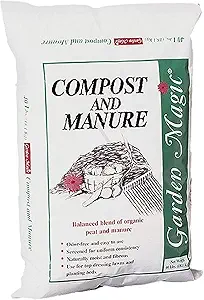
Coco Coir Bricks: Your Guide to Hydration, Expansion, and pH Balance
Coco coir bricks are a sustainable alternative to peat moss, prized for their excellent moisture retention and aeration. This 10-pack offers a convenient supply for various gardening needs, from seed starting to soil amendment. Before you buy, understand how to properly hydrate and use these bricks to maximize their benefits.
Key Considerations Before Buying
- Hydration and Expansion: Each brick expands significantly when soaked in water. Expect 5-6 times the volume, so use a large container and allow ample time for full hydration.
- pH and Nutrient Content: Coco coir typically has a slightly acidic pH (5.5-6.5) and low nutrient levels. You'll need to buffer it (rinse with calcium/magnesium solution) and amend with fertilizers for most plants.
- Versatility: This product is marketed for multiple uses: seed starting, soil amendment, potting mix, and even reptile substrate. Confirm that your intended use aligns with the product's characteristics—for reptiles, ensure it's dust-extracted.
What Our Analysts Recommend
Quality coco coir should be free from excess salts and dust, which can harm plants. Look for bricks that are uniform in color and texture, and check if they are specifically labeled as 'washed' or 'buffered' to indicate lower salt content. Reviews often mention the expansion ratio and any residue left behind, so scan for those details.
Garden Soil Market Context
Market Overview
The market for soilless growing media is expanding as gardeners seek sustainable alternatives to peat moss. Coco coir has become a popular choice due to its renewability and excellent water-holding capacity, making it a staple in both hobbyist and commercial horticulture.
Common Issues
Common issues with coco coir bricks include inconsistent expansion, high salt content leading to plant burn, and the presence of dust that can be a respiratory irritant. Some products also have a strong earthy smell that may be off-putting in indoor settings.
Quality Indicators
High-quality coco coir is typically buffered (pre-treated with calcium and magnesium) and has a low electrical conductivity (EC) reading. It should expand fully and evenly, with minimal dust. Reputable brands often provide EC or salt content information on the packaging or website.
Review Authenticity Insights
Grade B Interpretation
The Grade B and 10% estimated fake review percentage indicate that while the majority of reviews are genuine, a notable fraction may be incentivized or unverified. This is common for popular products, but it means you should weigh the critical and detailed reviews more heavily than overly positive but vague ones.
Trust Recommendation
Given the 4.40 adjusted rating, you can trust the overall positive sentiment, but be cautious of reviews that lack specifics. Focus on reviews that mention the expansion ratio, salt content, or plant growth results—these are typically from real users. Cross-check with other sources if you're on the fence.
Tips for Reading Reviews
When reading reviews, look for those that include photos or detailed descriptions of the hydration process. Pay attention to any mentions of 'dust' or 'salts' as these are common pain points. Also, sort by 'Most Recent' to see if there have been any changes in product quality over time.
Expert Perspective
This 10-pack of coco coir bricks offers good value for gardeners who use the product regularly. The high rating and low fake review percentage suggest that it performs as expected for most users. However, the need for buffering and additional nutrients means it's not a 'plug-and-play' solution—it requires some knowledge to use effectively.
Purchase Considerations
If you're new to coco coir, consider buying a single brick first to test the hydration and quality before committing to a 10-pack. If you're an experienced gardener, this pack is a cost-effective way to maintain a steady supply for seed starting and soil amendment. Be sure to have a large container and a source of calcium/magnesium for buffering.
Comparing Alternatives
Shoppers should compare this product with other coco coir brands, especially those that offer pre-buffered options or smaller quantities for trial. Also, consider the environmental impact—while coco coir is renewable, shipping heavy bricks may have a larger carbon footprint than locally sourced alternatives.