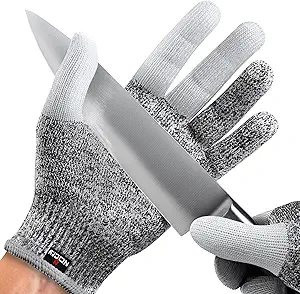
Choosing ANSI A9 Cut Gloves: Balancing Extreme Protection with Dexterity
When selecting maximum-level cut-resistant gloves like the Schwer ProGuard PR3326, buyers must understand that ANSI A9 rating represents the highest protection tier against slicing hazards. This specific model incorporates a reinforced thumb, touch-screen compatibility, and PFAS-free materials, creating a distinct combination of features not found in all A9 gloves. The challenge lies in finding gloves that deliver this extreme protection without sacrificing the tactile sensitivity needed for precision tasks.
Key Considerations Before Buying
- Verify the ANSI/ISEA 105-2016 A9 rating is legitimate, as this indicates the glove can withstand over 6,000 grams of cutting force before penetration, suitable for handling sharp sheet metal, glass, or blades.
- Assess the balance between the cut-resistant core material (often high-performance polyethylene or glass fiber) and the exterior coating; the PR3326's non-slip pattern suggests a focus on grip in oily or wet conditions.
- Consider the reinforced thumb's construction—whether it's additional material layers or a different weave pattern—as this area experiences disproportionate wear during material handling and assembly work.
What Our Analysts Recommend
Examine product specifications for the specific yarn composition (e.g., HPPE, stainless steel, aramid blends) and coating type (nitrile, polyurethane) as these determine cut resistance, flexibility, and chemical compatibility. For gloves claiming breathability like the PR3326, look for mesh panels or moisture-wicking liners mentioned in reviews, as A9 protection often comes with reduced airflow.
Cut Resistant Gloves Market Context
Market Overview
The cut-resistant glove market has evolved beyond basic metal mesh, with advanced fiber technologies enabling lighter, more dexterous gloves at higher protection levels. Products like the Schwer ProGuard PR3326 represent a trend toward integrating touch-screen capability and PFAS-free treatments into industrial gloves, responding to both technological and regulatory demands. Competition is intense at the A9 level, with brands differentiating through comfort features, specialized coatings, and durability claims.
Common Issues
A9-rated gloves frequently face complaints about reduced finger dexterity, excessive hand fatigue during extended wear, and poor breathability leading to sweaty hands. Some manufacturers sacrifice cut resistance at seams or finger joints to improve flexibility, creating potential weak points. Another recurring issue is inconsistent sizing across brands, where a 'Large' designation varies significantly in palm width and finger length.
Quality Indicators
High-quality cut-resistant gloves maintain consistent ANSI testing results across production batches and provide detailed information about their composite yarn structure. Look for reinforced stitching at high-stress areas like the thumb crotch and fingertips, as well as clearly stated compliance standards beyond just the cut rating, such as abrasion resistance (e.g., ANSI Abrasion Level) and grip performance metrics.
Review Authenticity Insights
Grade B Interpretation
The 'B' authenticity grade and 10% estimated fake review rate for the Schwer ProGuard PR3326 indicate a generally trustworthy review landscape with minor manipulation concerns. This suggests most feedback reflects genuine user experiences, though approximately 1 in 10 reviews may be artificially positive. The significant drop from the displayed 4.67 to the adjusted 4.40 rating highlights how even limited fake reviews can inflate perception.
Trust Recommendation
Focus on verified purchase reviews that describe specific use cases like metal fabrication, glass handling, or food processing, as these provide more reliable performance insights than generic praise. Pay particular attention to critical 3-star reviews, which often detail precise trade-offs between protection level and dexterity that are crucial for A9 glove selection.
Tips for Reading Reviews
For technical products like ANSI-rated gloves, prioritize reviews that mention testing against specific materials (stainless steel, ceramic blades) or describe long-term durability over months of use. Be skeptical of reviews that only praise packaging or delivery speed without addressing cut resistance, fit, or tactile feedback during actual work tasks.
Expert Perspective
The Schwer ProGuard PR3326 presents a compelling option in the maximum-protection category, particularly for users who require ANSI A9 defense alongside touch-screen functionality—a combination still relatively uncommon. Its strong adjusted rating of 4.40 from nearly 4,000 verified purchases suggests consistent satisfaction among actual users, though the authenticity analysis indicates some review inflation. The inclusion of PFAS-free treatment addresses growing regulatory and health concerns without compromising the advertised non-slip performance, representing a forward-thinking specification.
Purchase Considerations
Weigh the PR3326's reinforced thumb design against your specific tasks; this feature benefits those handling sharp-edged materials repeatedly but may add unnecessary bulk for occasional use. Consider whether the breathability claims align with your work environment's temperature and duration requirements, as A9 protection inherently involves dense fiber construction that can retain heat. The touch-screen capability, while valuable for modern workplaces, should be evaluated against potential coating wear that could diminish sensitivity over time.
Comparing Alternatives
Shoppers should compare the PR3326's specific fiber blend and coating thickness against competing A9 gloves, as minor material differences significantly affect flexibility, cut resistance longevity, and maintenance requirements.