
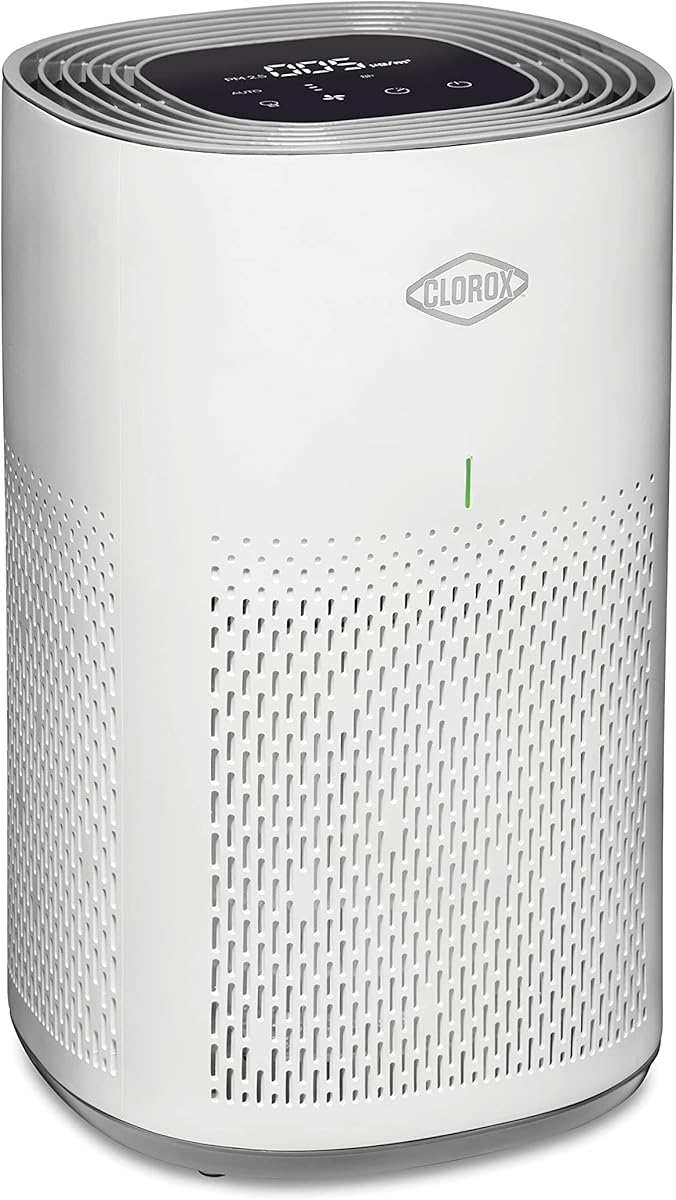
Choosing a HEPA Air Purifier: What the Clorox Model Reveals About Key Features
When evaluating the Clorox HEPA Air Purifier, its 1,000 sq ft coverage and True HEPA filter are central to its value proposition. Buyers should understand that 'True HEPA' certification is distinct from generic 'HEPA-type' claims, ensuring it meets the standard for removing 99.97% of particles as small as 0.3 microns. The inclusion of AUTO mode and whisper-quiet operation are practical features that directly impact daily usability.
Key Considerations Before Buying
- Room size matching is critical; a purifier rated for 1,000 sq ft like this Clorox model needs appropriate air changes per hour (ACH) to be effective, especially for allergens or wildfire smoke.
- Filter replacement cost and availability are ongoing expenses; Clorox's brand presence may offer wider availability but check the specific filter model number (often not in the main title).
- Noise levels on different settings matter for bedrooms or offices; 'whisper quiet' claims should be verified in reviews for the specific fan speeds you'll use most often.
What Our Analysts Recommend
Genuine True HEPA filters will be explicitly labeled as meeting the HEPA standard, not just 'HEPA-style'. For medium rooms, look for a Clean Air Delivery Rate (CADR) that aligns with your room's square footage—a 1,000 sq ft rating suggests a substantial CADR for dust, pollen, and smoke. Quality construction around the filter seal is essential to prevent air bypass, which renders even the best filter ineffective.
HEPA Air Purifiers Market Context
Market Overview
The home HEPA purifier market is crowded, with brands like Clorox leveraging household name recognition in cleaning to enter the air quality space. Consumers now expect features like auto modes, filter change indicators, and multiple fan speeds as standard, even in mid-range models. Performance claims around virus and wildfire smoke removal have become significant selling points post-pandemic and during increasing wildfire seasons.
Common Issues
Common pitfalls include overstated room coverage, where a purifier may technically 'work' in a large space but with insufficient air turnover to be practical. Another frequent complaint is misleading noise ratings, where 'quiet' only applies to the lowest setting, which may be inadequate for filtration. Filter replacement costs can also surprise owners, sometimes amounting to a significant portion of the unit's initial price over a year.
Quality Indicators
Beyond the HEPA filter, a quality purifier will have a robust pre-filter to capture larger particles and extend the main filter's life. Look for independent testing data or certifications (like from AHAM) for CADR ratings, not just manufacturer claims. A well-designed unit will have intuitive controls and clear indicator lights for filter status, reducing guesswork in maintenance.
Review Authenticity Insights
Grade B Interpretation
A 'Grade B' authenticity rating with an estimated 15% fake review rate indicates a generally trustworthy review pool, but suggests a moderate level of potentially inauthentic feedback. For this Clorox purifier, the adjusted rating of 4.10/5 (down from 4.44/5) is a more reliable indicator of genuine customer satisfaction after accounting for suspicious patterns.
Trust Recommendation
Focus on the 85% of reviews deemed authentic, particularly those detailing long-term use, specific allergen relief, or performance during real-world events like wildfire smoke episodes. Be slightly more skeptical of reviews that hyper-focus on a single extraordinary claim without practical context, as these may be among the estimated 15% manipulated content.
Tips for Reading Reviews
For air purifiers, prioritize reviews that mention using the device for specific purposes listed in the title, such as managing pet dander, dust reduction, or post-wildfire air quality. Look for details about AUTO mode's responsiveness and noise levels at night, as these are tangible performance aspects that genuine users consistently note.
Expert Perspective
The Clorox HEPA Air Purifier presents a compelling option in the medium-room category, backed by a strong adjusted rating of 4.10 from verified authentic reviews. Its specification sheet targets key consumer pain points—allergens, smoke, and viruses—with a True HEPA filter, which is a meaningful differentiator. The significant drop from the displayed 4.44 rating to the adjusted 4.10 underscores the importance of using authenticity-filtered scores, though a 4.10 still indicates very positive reception. The high review volume (over 3,700) provides substantial data for evaluation.
Purchase Considerations
Weigh the brand's filter ecosystem and cost against your long-term usage plans; Clorox may offer convenience but compare replacement filter prices with competitors like Winix or Levoit. Consider if the 1,000 sq ft coverage is ideal for your space, as using it in a much smaller room may lead to unnecessary energy use, while using it at its limit may require higher, noisier fan speeds. The AUTO mode feature is particularly valuable for maintaining air quality without constant manual adjustment.
Comparing Alternatives
Shoppers should compare this model's CADR ratings, noise decibel levels on high/medium/low, and annual filter cost with similar True HEPA purifiers from brands like Coway, Blueair, or Honeywell.


