
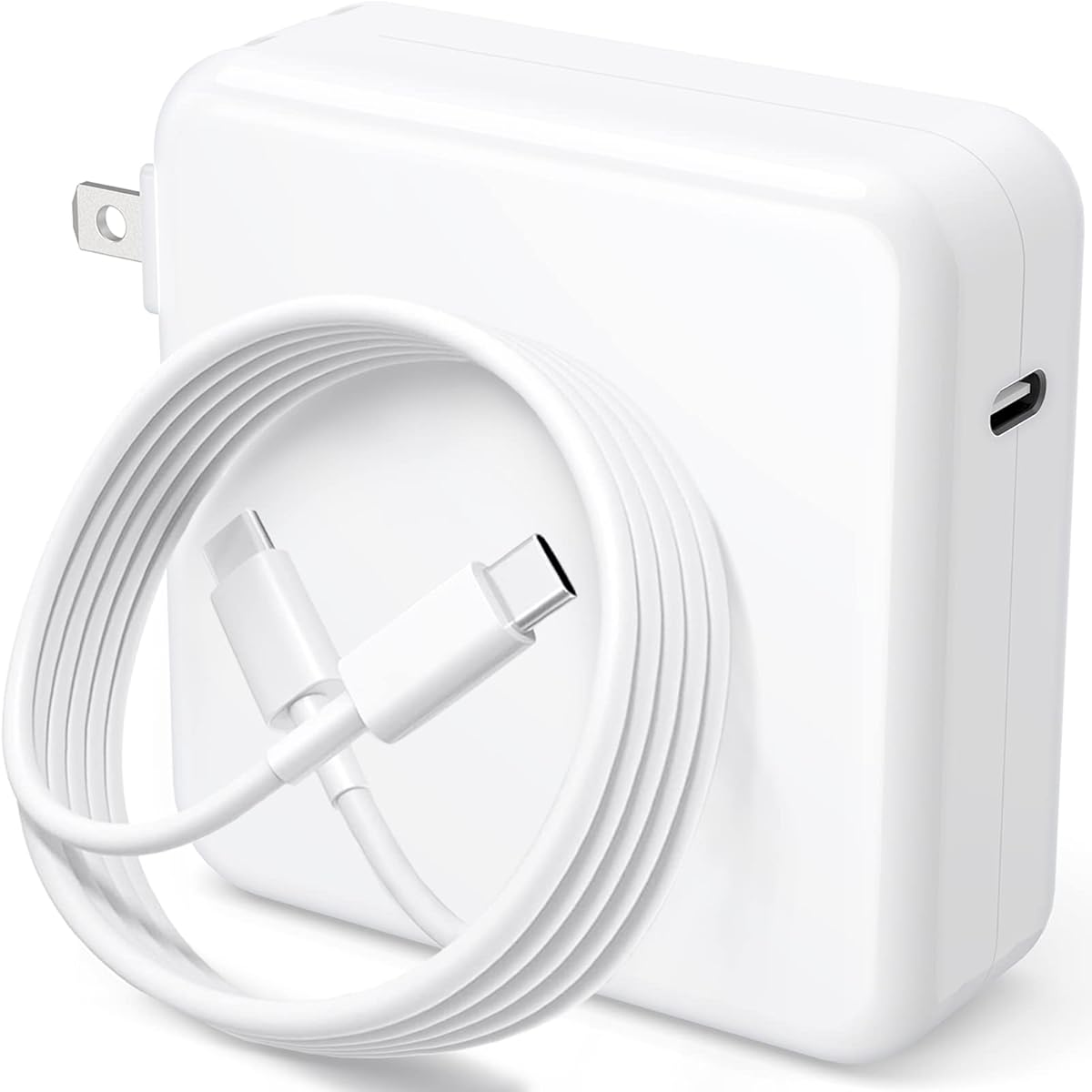
Choosing a 120W USB-C Charger: Power Delivery, Compatibility, and Safety Essentials
When selecting a 120W USB-C charger as an alternative to Apple's original, understanding its power delivery (PD) profile and device compatibility is crucial. This specific model claims broad compatibility, but its true value lies in how it manages power distribution across multiple ports and its ability to trigger fast charging on newer MacBook Pro models.
Key Considerations Before Buying
- Verify the charger supports USB-C Power Delivery 3.0 or higher, which is necessary for the 96W-140W charging profiles required by 14-inch and 16-inch MacBook Pro models for peak performance.
- Assess multi-device charging scenarios: A 120W total output must be intelligently allocated, as simultaneously charging a MacBook Pro and an iPad Pro will reduce the wattage available to the laptop.
- Check for legitimate safety certifications like UL, CE, or FCC, not just logos on the product; uncertified chargers risk damaging your expensive devices through voltage spikes or improper thermal management.
What Our Analysts Recommend
Look for mentions of PPS (Programmable Power Supply) in reviews, which allows finer voltage adjustment for Samsung Galaxy devices. Quality third-party chargers will explicitly list supported charging protocols (e.g., PD 3.0, QC4+) and have robust, heat-dissipating housings, not just lightweight plastic shells.
Chargers & Adapters Market Context
Market Overview
The market for high-wattage USB-C chargers is crowded, with many products making broad compatibility claims but varying significantly in their actual power delivery firmware and component quality. The shift towards GaN (Gallium Nitride) technology has allowed for smaller form factors, but not all 120W chargers utilize it.
Common Issues
Common failures include inconsistent 'handshake' protocols with Apple devices, causing devices to charge slowly or not recognize the charger, and overheating during sustained high-wattage output which can degrade performance over time. Another frequent complaint is misleading 'total wattage' claims that don't reflect the limited output per individual port.
Quality Indicators
High-quality chargers will maintain stable output under load, mention specific chipset manufacturers (like Innergie or Anker's proprietary tech), and have detailed technical specifications in the manual. Reviews that note consistent charging speeds over months of use are a strong positive signal.
Review Authenticity Insights
Grade B Interpretation
A 'Grade B' with an estimated 15% fake review rate suggests a generally trustworthy review pool, but shoppers should be moderately cautious. This level often indicates some incentivized reviews or generic praise, but the core feedback from verified purchasers is reliable for assessing real-world performance.
Trust Recommendation
Focus on verified purchase reviews that detail long-term use (3+ months) and mention specific device models, like 'charges my 16-inch M3 MacBook Pro at full speed.' Be skeptical of reviews that only praise generic 'fast charging' without technical context or that appear in clustered timeframes.
Tips for Reading Reviews
Prioritize reviews that discuss thermal performance during simultaneous charging and any issues with cable compatibility. For this product, pay special attention to experiences from users with the latest MacBook Pro 14/16-inch models, as their power requirements are most demanding.
Expert Perspective
With an adjusted rating of 4.5/5 from a substantial review pool, this charger performs well for most users, though the slight dip from the raw 4.89 suggests some review inflation. The high wattage makes it a viable single-cable solution for power-hungry laptops and tablets. However, its broad compatibility claim requires scrutiny; true universal compatibility depends on correctly implemented PD profiles for each device family, which budget chargers sometimes fumble. The authenticity grade indicates you can trust the majority of critical performance feedback.
Purchase Considerations
Weigh this charger's value against your specific device portfolio. If you primarily charge a single 16-inch MacBook Pro, a dedicated 140W charger may be more optimal. If you need a versatile travel charger for a MacBook Air, iPad, and phone, this 120W multi-port model could be ideal, provided the reviews confirm stable multi-device output.
Comparing Alternatives
Shoppers should compare this model's size, port configuration, and user-reported thermal performance against other GaN-based 100W+ chargers from established brands like Anker, Satechi, or UGREEN.


