
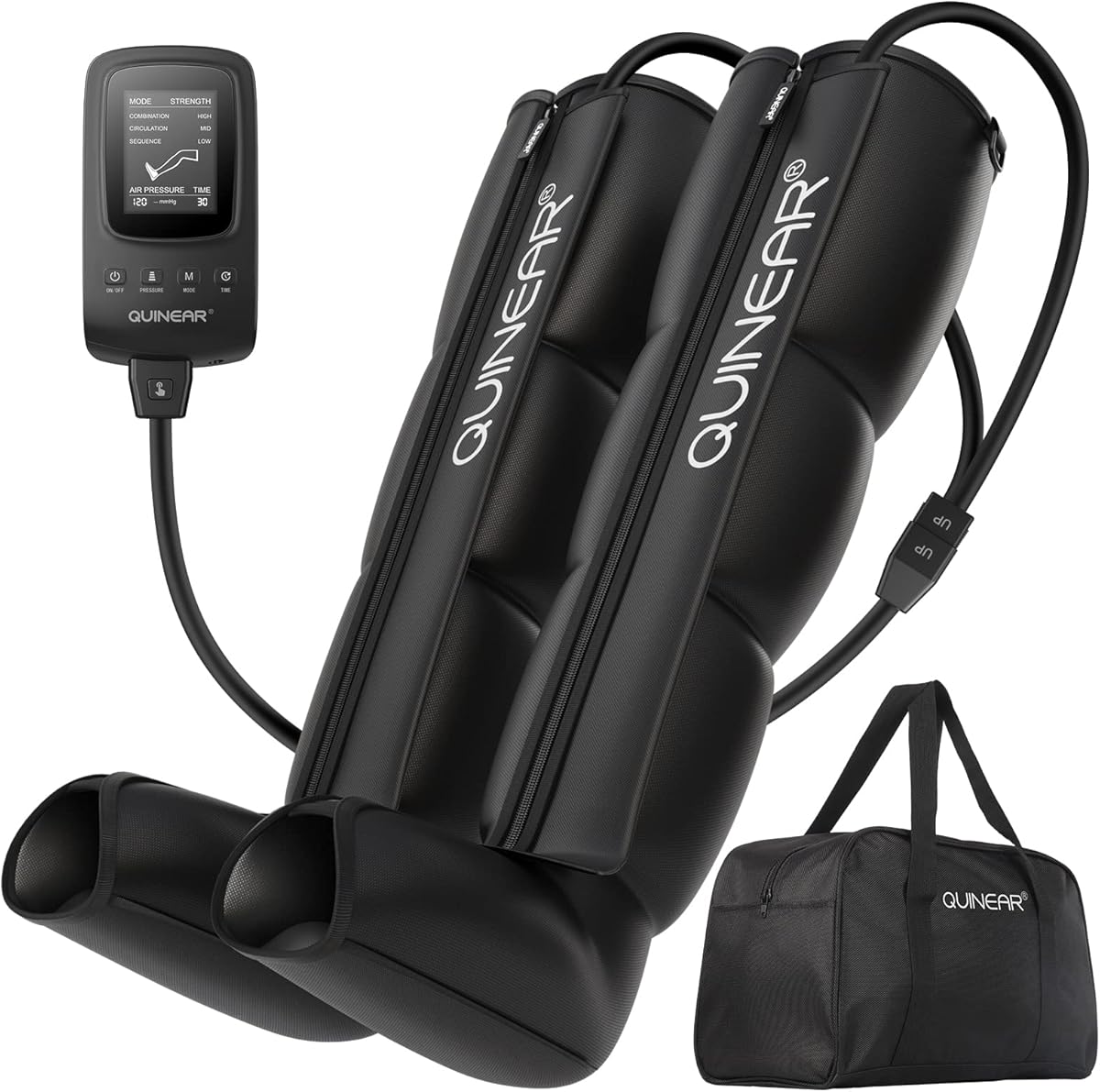
Compression Boots: Are They Worth It for Recovery & Circulation?
For athletes and active individuals seeking faster recovery, air compression systems like the QUINEAR have surged in popularity. These sequential devices use targeted pressure to mimic manual massage, aiming to reduce soreness and improve circulation in the feet and legs. Before investing, it's crucial to understand how these boots differ from basic massagers and what performance factors matter most.
Key Considerations Before Buying
- Pressure intensity and customization: The QUINEAR offers multiple pressure levels, but users report the maximum setting may be less intense than some competitors. Ensure the device provides a range you can adjust as your tolerance changes.
- Fit and sizing for your body: This 'Medium' model is designed for average leg circumferences. Verify your calf and foot measurements against the product specs to avoid a too-loose or too-tight fit, which can compromise effectiveness.
- Ease of use and portability: Look for a control panel that is intuitive and a unit that is quiet during operation. The QUINEAR's design is relatively compact, but consider if you need a travel-friendly case or a model with a rechargeable battery.
What Our Analysts Recommend
In a quality compression system, prioritize sequential pressure (zones inflating in order) over uniform pressure for lymphatic drainage. Durable fabric with reinforced seams and a reliable pump motor are non-negotiable for long-term use. Also, check for FSA/HSA eligibility, as the QUINEAR offers this benefit, which can offset the upfront cost.
Foot Massagers Market Context
Market Overview
The foot and leg compression therapy market has expanded rapidly, driven by demand from runners, CrossFit athletes, and even office workers seeking relief from poor circulation. Brands now range from clinical-grade units to budget-friendly consumer models, making it a crowded field where quality varies significantly.
Common Issues
A frequent complaint across this category is durability, with some pumps failing after months of use. Another issue is inconsistent sizing, where 'one-size-fits-most' boots fail to secure properly on very slender or muscular legs. Noise level is also a recurring concern, as some models are too loud for relaxation.
Quality Indicators
Look for a manufacturer that specifies the maximum pressure in mmHg (millimeters of mercury) and offers multiple chamber zones. A longer warranty (2+ years) and responsive customer service are strong signals of confidence. Verified reviews that discuss long-term use (6 months or more) are more trustworthy than initial impressions.
Review Authenticity Insights
Grade B Interpretation
The QUINEAR's 'B' grade and 10.00% estimated fake review rate indicate a generally trustworthy review profile, but not without some noise. This means the majority of the 1,928 ratings are likely authentic, but roughly 193 may be incentivized or fabricated, potentially inflating the overall score from a more realistic 4.00/5.
Trust Recommendation
Given the moderate fake review presence, focus on reviews that describe specific use cases (e.g., 'used after marathons' or 'for plantar fasciitis') and include both pros and cons. Be skeptical of overly short, five-star reviews that lack detail or personal context, as these are more likely inauthentic.
Tips for Reading Reviews
When evaluating compression boots, look for reviewers who mention their leg size, activity level, and how long they've owned the product. Photos of the boots in use or after months of wear are valuable. Also, filter by 'Verified Purchase' and sort by 'Most Recent' to get a current pulse on quality control.
Expert Perspective
The QUINEAR Air Compression Recovery System appears to be a solid entry-level to mid-range option for those new to compression therapy or on a budget. Its 4.00/5 adjusted rating suggests it performs adequately for recovery and circulation, but it may not match the pressure or durability of premium brands. The high number of reviews (1,928) provides a decent sample size to gauge common experiences, though the authenticity grade signals some caution is warranted.
Purchase Considerations
Weigh the FSA/HSA eligibility against the potential need for a more powerful or durable unit if you are a heavy user. Also consider that the 'Medium' size may not fit all body types, so precise measurement is essential. If you prioritize deep, intense pressure, you may need to look at higher-end competitors.
Comparing Alternatives
Shoppers should compare the QUINEAR with brands like Normatec, RecoveryAir, or more affordable options such as Renpho or Achedaway, especially in terms of pressure range, warranty, and user-reported longevity.


