Choosing the Right Resting Hand Splint for Nighttime Contracture Care
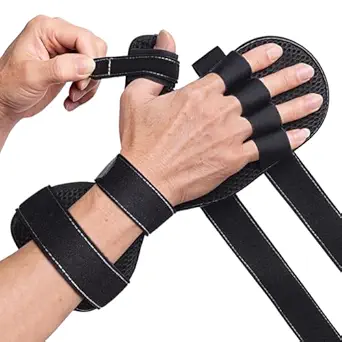
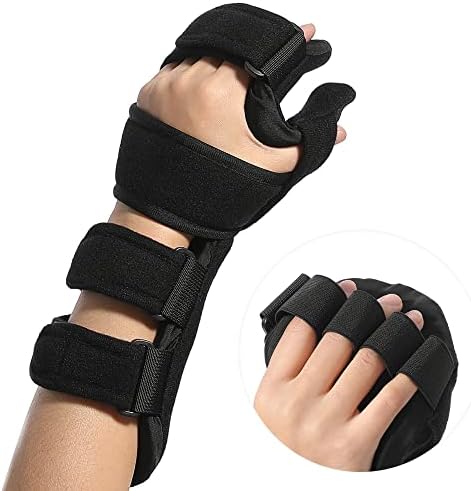
When managing finger contractures, carpal tunnel pain, or post-stroke hand positioning, a resting hand splint like the Fanwer Left-Hand Brace with finger separators can offer crucial overnight support. This guide focuses on key features—such as adjustable thumb stabilization and breathable materials—to help you select an effective immobilizer for correction and comfort.
Key Considerations Before Buying
- Size and fit are critical: a resting splint that is too loose may not maintain proper finger and wrist alignment, while one that is too tight can cause pressure sores—measure your hand length and width before purchasing.
- Finger separators are essential for preventing overlapping or curling of digits during contracture management; ensure they are padded and positioned to match your specific contracture pattern.
- Adjustable straps, especially a separate thumb stabilizer, allow for progressive correction and accommodate swelling changes overnight without compromising immobilization.
What Our Analysts Recommend
Quality resting hand splints should feature a rigid or semi-rigid dorsal or palmar base that maintains a neutral wrist position (20-30 degrees extension) and gentle finger extension. Look for medical-grade, hypoallergenic padding that wicks moisture and a secure but non-constricting closure system, like loop-and-lock straps with quick-release tabs for safety.
Hand & Wrist Braces Market Context
Market Overview
The hand and wrist brace market has expanded significantly with options ranging from basic carpal tunnel supports to specialized post-stroke and contracture splints. Consumers increasingly seek products that combine therapeutic positioning with comfort for extended wear, especially during sleep.
Common Issues
A frequent complaint is that off-the-shelf splints do not accommodate varying hand sizes or specific contracture angles, leading to discomfort or inadequate correction. Another issue is poor breathability causing skin maceration, and straps that loosen overnight reducing effectiveness.
Quality Indicators
High-quality hand splints often use contoured aluminum or thermoplastic stays that can be gently reshaped for a custom fit. Verified medical-grade materials, such as neoprene or breathable mesh, and multiple adjustable straps are strong indicators of durability and therapeutic value.
Review Authenticity Insights
Grade B Interpretation
A Grade B rating with an estimated 10% fake reviews suggests that while the majority of feedback is genuine and detailed—often from stroke survivors or those with contractures—you should still approach the most glowing five-star reviews with mild caution. The 4.67/5 star average is slightly inflated, with a more realistic adjusted rating of 4.40/5.
Trust Recommendation
Focus on verified purchase reviews that describe specific outcomes, such as reduced morning stiffness or improved finger positioning. The high number of authentic, context-rich reviews indicates the product generally performs as advertised, but be aware that a small minority of reviews may overstate benefits.
Tips for Reading Reviews
When reading reviews for resting hand splints, prioritize comments that mention hand size, duration of use, and specific conditions (e.g., stroke, Dupuytren's contracture). Look for balanced feedback that notes both positives (e.g., comfort, fit) and negatives (e.g., strap adjustment difficulty).
Expert Perspective
The Fanwer Resting Hand Splint with Finger Separators appears to be a well-received option for individuals managing finger contractures or carpal tunnel pain, particularly for nighttime use. The inclusion of a thumb stabilizer and adjustable straps addresses key therapeutic needs, and the strong authentic review base supports its effectiveness for many users. However, the 10% estimated fake review rate and the slight drop to a 4.40 adjusted rating suggest that while the product is solid, it may not be a perfect fit for every hand shape or condition severity.
Purchase Considerations
Before purchasing, measure your hand carefully and consult with a therapist if possible to ensure the splint's angle and finger separator placement align with your specific contracture pattern. Consider that left-handed models may have less availability, so verify sizing charts for the left-hand version.
Comparing Alternatives
Shoppers should compare the Fanwer splint with other resting hand braces that offer custom moldable stays or additional padding options, especially if they have sensitive skin or require a more precise fit.