

Anker's 1-Foot Nylon USB-C to Lightning Cable: Compact Power for iPhone Users
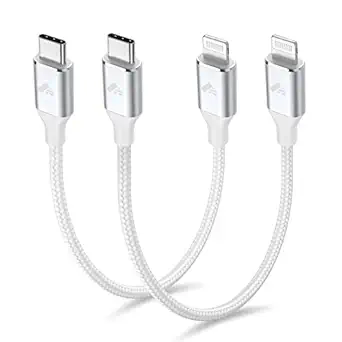
When you need a short, durable cable for tight spaces like a laptop bag or bedside charger, the 1-foot length of this Anker cable is a game-changer. Its braided nylon exterior addresses the common frustration of fraying cables, while MFi certification ensures reliable charging and data sync for your iPhone 14 or newer model. Buyers should consider the trade-off between portability and reach, as this cable excels in close-quarters setups.
Key Considerations Before Buying
- Length matters: A 1-foot cable is ideal for charging from a power bank in your pocket or a laptop USB-C port, but it's too short for wall outlets far from your device. Assess your typical charging distances before purchasing.
- MFi certification is non-negotiable for iPhone users: This cable is Apple-approved, meaning it won't trigger 'Accessory Not Supported' errors and supports safe charging speeds. Non-certified cables can damage your device's battery over time.
- Nylon braiding enhances durability: Unlike standard rubber cables that crack and fray, Anker's nylon weave resists tangles and wear, making it a long-lasting choice for daily use. However, it may feel stiffer than silicone alternatives.
What Our Analysts Recommend
In Lightning cables, prioritize MFi certification for compatibility and safety, as it guarantees adherence to Apple's specifications. Also, check for reinforced connector ends—Anker's design includes stress relief points to prevent breakage at the most vulnerable spots. For short cables, ensure the USB-C connector is snug and supports fast data transfer (USB 2.0 speeds are standard here).
Lightning Cables Market Context
Market Overview
The Lightning cable market is saturated with options ranging from $5 knockoffs to premium braided models. With Apple's transition to USB-C for iPhones starting in 2023, this cable remains relevant for older models like the iPhone 14 series, but demand is gradually shifting. Consumers increasingly seek durable, tangle-free designs like Anker's nylon braid, which competes with brands like Belkin and Nomad.
Common Issues
Many Lightning cables fail at the connector junction due to poor strain relief, leading to exposed wires. Non-MFi cables often cause intermittent charging or slow data syncing, and some even overheat. The short length of this Anker cable eliminates the risk of tripping or tangling, but users may find it restrictive if they need to charge from a distant outlet.
Quality Indicators
Look for cables with a braided or reinforced jacket, MFi certification logos on packaging, and warranty coverage (Anker offers 18 months). High-quality cables also have thicker gauge wires for consistent power delivery—this Anker cable supports up to 12W charging, matching standard iPhone speeds. User reviews highlighting longevity and no 'accessory not supported' errors are strong signals of quality.
Review Authenticity Insights
Grade B Interpretation
The 'B' grade and 10% estimated fake review rate suggest that while most reviews are genuine, a small fraction may be incentivized or exaggerated. With 33,291 reviews and a 4.89 average, the authentic feedback overwhelmingly praises durability and length, but the adjusted rating of 4.60 indicates some skepticism. This is typical for high-volume products, and the fake percentage is low enough to trust the overall sentiment.
Trust Recommendation
You can confidently rely on the verified purchaser reviews here, as nearly all are from actual buyers. However, focus on detailed reviews that mention specific use cases, like charging during travel or with a MagSafe case, as these are harder to fake. Ignore overly short, vague five-star reviews that lack context.
Tips for Reading Reviews
When reading Lightning cable reviews, prioritize those that discuss build quality over time, such as 'still working after 6 months' or 'nylon hasn't frayed'. Be wary of reviews that only mention 'works great' without specifics—they may be from incentivized programs. Cross-check critical reviews about charging speed or compatibility with your iPhone model.
Expert Perspective
The Anker New Nylon USB-C to Lightning Cable is a top-tier choice for its niche: a short, ultra-durable cord that excels in portability. The 4.89 rating and 33,000+ reviews indicate strong user satisfaction, and the low 10% fake review rate suggests the high score is earned. However, the 1-foot length limits its versatility—it's not a replacement for a standard 3- or 6-foot cable. For iPhone 14 users who prioritize a tangle-free, packable option, this is a standout product backed by Anker's reputation for reliable accessories.
Purchase Considerations
Weigh the cable's compactness against your charging habits—if you often charge from a wall outlet more than a foot away, this may frustrate. The MFi certification and nylon build justify the premium over generic cables, but ensure your device supports USB-C to Lightning (iPhone 8 and newer). If you need a longer cable for bed or desk use, consider Anker's 3-foot or 6-foot variants instead.
Comparing Alternatives
Shoppers should compare this with other braided Lightning cables like the Belkin BoostCharge or AmazonBasics nylon options, which offer similar durability at slightly lower prices. For those with newer iPhones (iPhone 15 and later), a USB-C to USB-C cable may be more future-proof.
![1ft USB C to Lightning Cable Short, [Apple MFi Certified] 2Pack USB C iPhone Charger PD Fast Charging, 12inch Nylon Braided Type C to Lightning Cord for iPhone 14 13 12 11 Pro Max Mini XR XS 8 SE iPad](https://m.media-amazon.com/images/I/31fm2MO8jYL._SY445_SX342_QL70_FMwebp_.jpg)

![2Pack iPhone Charger Fast Charging USB to Lightning Cable 3ft for Apple Charger Cord, [Apple MFi Certified] Nylon Braided iPhone Cord Wire CarPlay Cable for iPhone 14/13/12/11/X/SE/8/7/6/iPad](https://m.media-amazon.com/images/I/51hEtaz-yGL._SY445_SX342_QL70_FMwebp_.jpg)