
Choosing the Right Late-Stage Teether for Your Toddler's Back Molars
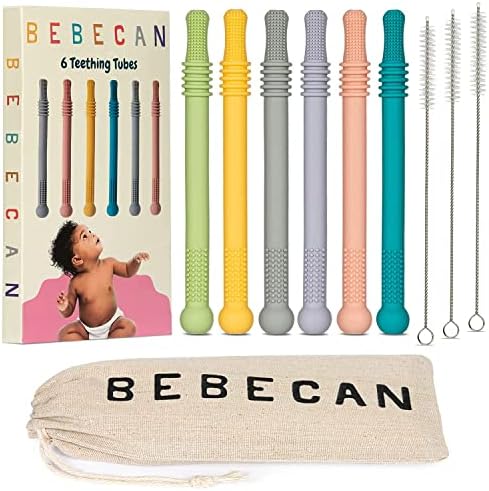
When selecting teething aids for children 36+ months, you need products specifically designed for emerging back molars, which require different pressure points than earlier front teeth. These silicone sticks target the posterior gum area where toddlers experience the most discomfort during late-stage teething, and the 6-pack configuration addresses the need for multiple clean replacements throughout the day.
Key Considerations Before Buying
- The elongated stick shape must be long enough for toddlers to reach back molars but not pose a gagging risk—this product's specific 36+ month designation indicates appropriate sizing for older infants.
- Super soft silicone requires verification of food-grade certification and absence of BPA, phthalates, and latex, which is particularly important for products targeting prolonged chewing.
- Multicolor sets should use non-toxic, FDA-compliant dyes since these teethers will experience constant saliva exposure and potential surface degradation from chewing.
What Our Analysts Recommend
Quality late-stage teethers feature textured surfaces specifically on the ends to massage back gums, not just decorative patterns. The silicone should rebound immediately after compression without retaining tooth marks, indicating proper density for molar relief. Check for one-piece construction without seams where bacteria could accumulate during extended use.
Teethers Market Context
Market Overview
The 36+ month teething market has expanded significantly as parents recognize that second-year molars cause substantial discomfort, creating demand for products beyond traditional infant teethers. Silicone has become the dominant material due to its durability against emerging molars, replacing earlier plastic and rubber options that couldn't withstand toddler chewing pressure.
Common Issues
Many teethers marketed for older babies fail to reach posterior gums effectively or use silicone that's too firm for sensitive, inflamed molars. Products with multiple pieces or hollow designs can trap moisture and develop mold, while poor dye stability leads to color transfer during chewing sessions.
Quality Indicators
Superior back-molar teethers demonstrate clinical input in their shape, targeting specific pressure points along the gum line. Look for medical-grade silicone certifications and dishwasher-safe labeling that confirms material integrity. The best products balance flexibility for comfort with enough resistance to provide meaningful counter-pressure against emerging teeth.
Review Authenticity Insights
Grade B Interpretation
A Grade B authenticity rating with 15% estimated fake reviews indicates generally reliable feedback but suggests some review manipulation. The 0.39-point drop from the displayed 4.89 to adjusted 4.50 rating reveals inflated scores, though the remaining 4.50 still represents strong genuine satisfaction.
Trust Recommendation
Focus on verified purchase reviews that describe specific scenarios like 'helped with second-year molars' or mention texture preferences, as these demonstrate actual usage. Be skeptical of reviews emphasizing only color variety or generic praise without detailing how the shape addressed back-molar discomfort.
Tips for Reading Reviews
Prioritize reviews mentioning duration of use (weeks/months) and dishwasher performance, as these indicate long-term testing. Look for photos showing tooth impressions on the silicone—this demonstrates real chewing action rather than stock images. Reviews comparing this stick shape to other teether types provide particularly valuable comparative insights.
Expert Perspective
This product addresses a specific niche in teething relief with its elongated design targeting posterior gums, which most infant teethers neglect. The exceptionally high adjusted rating of 4.50/5 from verified purchases suggests genuine effectiveness for late-stage teething, though the authenticity grade indicates some review inflation. The 6-pack configuration is practical given toddlers' tendency to discard teethers frequently, and multicolor options can help maintain interest during prolonged teething phases.
Purchase Considerations
Consider whether your toddler will accept the stick shape versus traditional teethers, as some children prefer different textures. The super soft silicone may not provide enough resistance for children who aggressively chew, so monitor initial use. Since these target specific gum areas, they work best as supplements to, not replacements for, comprehensive teething relief strategies including chilled options.
Comparing Alternatives
Compare with textured silicone molar-specific teethers and chilled options designed for back gums, as different toddlers respond to varying pressure and temperature approaches.


