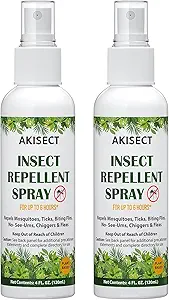
What Parents Should Know Before Buying Kids' Plant-Based Bug Spray
OFF! Kids Plant-Based Insect & Mosquito Repellent is a 4 oz spray marketed for children, using plant-derived active ingredients instead of DEET. With a 4.67/5 rating from over 4,400 reviews, it's clearly popular, but parents need to weigh protection duration and skin sensitivity against convenience and scent.
Key Considerations Before Buying
- Plant-based repellents like this typically rely on essential oils (e.g., citronella, peppermint, lemongrass) that may need more frequent reapplication than DEET or picaridin—often every 1–2 hours—so plan for reapplication during long outings.
- Check the label for the exact active ingredient concentration; plant-based formulas vary widely in efficacy, and products with lower concentrations may not deter aggressive mosquito species. Look for third-party testing or EPA registration if available.
- Consider your child's skin sensitivity: botanical oils can irritate sensitive skin or cause allergic reactions, so patch-test on a small area first and avoid spraying on hands or faces directly.
What Our Analysts Recommend
Prioritize products that list specific active ingredients with percentages, are EPA-registered (indicating safety and efficacy review), and offer clear reapplication guidance. Avoid vague 'natural' claims without disclosed ingredients, and opt for formulas free of harsh alcohols or synthetic fragrances if your child has reactive skin.
Sprays Market Context
Market Overview
The kids' insect repellent market is shifting toward plant-based and DEET-free options as parents seek gentler alternatives, though efficacy concerns persist. Major brands like OFF! are expanding into botanical formulas to capture this demand, but regulatory scrutiny and consumer skepticism about 'natural' protection remain challenges.
Common Issues
A frequent complaint with plant-based sprays is shorter protection windows and inconsistent performance across mosquito species. Some users also report strong botanical scents or oily residues, and there's confusion over whether these products are truly 'chemical-free' (they aren't—plant compounds are still chemicals).
Quality Indicators
Look for EPA registration numbers, transparent ingredient lists with active percentages, and clinical or field-test data if available. Products that specify protection time (e.g., 'up to 2 hours') and provide clear usage instructions tend to be more reliable than those making broad claims.
Review Authenticity Insights
Grade B Interpretation
A Grade B and an estimated 10% fake review rate means most reviews are likely genuine, but a notable minority may be incentivized or exaggerated. The adjusted rating of 4.40/5 (down from 4.67) suggests some inflated reviews exist, so the true customer satisfaction is still positive but slightly less stellar.
Trust Recommendation
Trust the overall sentiment but verify specifics: read reviews that mention reapplication frequency, scent, and skin reactions, as these are harder to fake. Be cautious of reviews that only praise the product without detailing actual use scenarios, and cross-check with external sources like parenting forums or consumer reports.
Tips for Reading Reviews
Filter for verified purchases and longer reviews that describe real-world use (e.g., 'used at a backyard BBQ' or 'my toddler's sensitive skin'). Pay attention to critical reviews mentioning ineffectiveness against certain bugs or strong smells—these often reveal consistent drawbacks.
Expert Perspective
OFF! Kids Plant-Based is a solid choice for parents seeking a DEET-free option for short outdoor activities, backed by a reputable brand and mostly positive reviews. However, the adjusted rating and 10% fake review estimate suggest you should temper expectations—it's effective but likely not as long-lasting as conventional repellents. The 4 oz size is convenient for diaper bags but may run out quickly with frequent reapplication.
Purchase Considerations
Weigh convenience against protection needs: if you're in high-mosquito areas or out for hours, a plant-based spray may require constant reapplication, making it less practical. Also consider your child's age—consult a pediatrician for infants under 2 months, and always test for allergies.
Comparing Alternatives
Compare with picaridin-based kids' repellents (often longer-lasting and less irritating) or other plant-based brands with published efficacy studies before deciding.