Choosing a Cervical Pillow: How the Osteo's Hollow Design Differs from Traditional Options
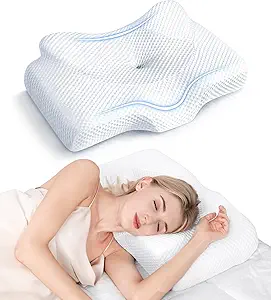
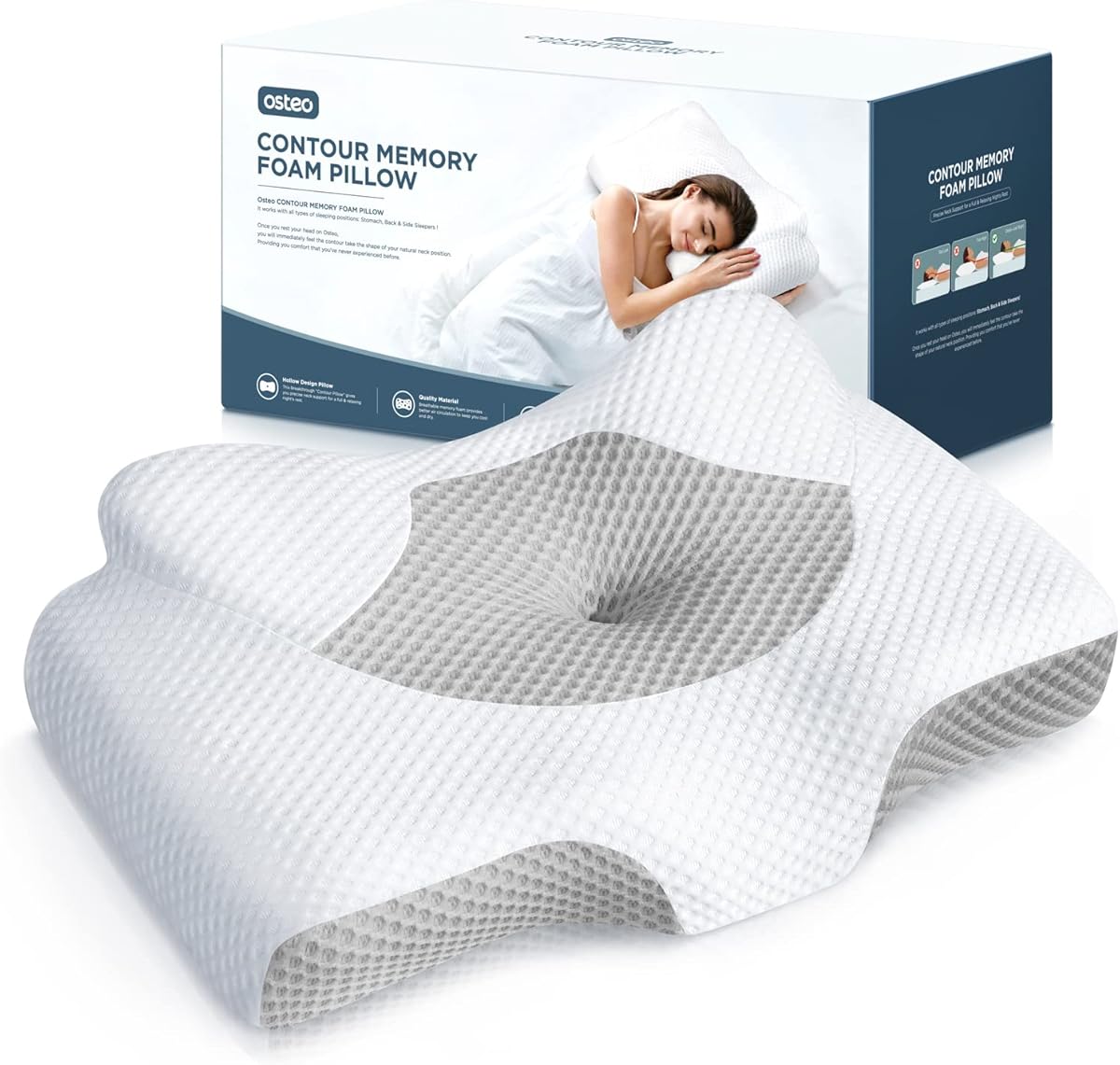
When evaluating the Osteo Cervical Pillow, buyers should understand that its hollow center design represents a specific approach to cervical support that differs from solid-core orthopedic pillows. This pillow's adjustable memory foam layers and cooling case target specific sleep position needs rather than offering one-size-fits-all support. The odorless memory foam formulation indicates attention to material quality that affects both comfort and durability.
Key Considerations Before Buying
- The hollow center design creates a cradle effect for the head while allowing the cervical curve to maintain alignment—particularly important for back sleepers who need reduced pressure on the upper spine.
- Adjustable foam layers require an adaptation period of 1-2 weeks as your neck muscles adjust to proper alignment, which explains why some initial discomfort is normal with quality cervical pillows.
- The cooling case addresses a common complaint with memory foam pillows—heat retention—but effectiveness varies based on individual sleep temperature and room conditions.
What Our Analysts Recommend
Quality cervical pillows should maintain their loft and support for at least 18-24 months; check for density specifications (typically 3.5-4.5 lb/ft³ for therapeutic memory foam). The hollow design should have precise dimensions—too wide defeats cervical support, too narrow causes instability. Look for removable, washable covers with moisture-wicking properties beyond basic cooling claims.
Specialty Medical Pillows Market Context
Market Overview
The specialty medical pillow market has expanded beyond basic cervical rolls to include adjustable, multi-layer designs like the Osteo, with growing emphasis on temperature regulation and sleep position specificity. Premium features like removable inserts and cooling technology now differentiate products in the $40-$80 price range where this pillow competes.
Common Issues
Many cervical pillows fail to accommodate shoulder width for side sleepers or create excessive elevation for back sleepers, leading to improper spinal alignment. Off-gassing odors from low-quality memory foam remain problematic despite 'odorless' claims, and inadequate breathability causes heat buildup that disrupts sleep.
Quality Indicators
Superior cervical pillows specify foam density rather than just 'memory foam,' include height adjustment options for personalized support, and feature removable covers with practical cooling technology like phase-change materials or enhanced airflow designs rather than just thin fabric claims.
Review Authenticity Insights
Grade B Interpretation
The Grade B authenticity rating with 15% estimated fake reviews indicates generally reliable feedback but suggests some review manipulation exists. For this pillow, the 0.37-point difference between raw (4.47) and adjusted (4.10) ratings suggests inflated positive reviews may exaggerate pain relief claims or underreport adjustment period challenges.
Trust Recommendation
Focus on verified purchase reviews that describe specific sleep positions and pain conditions rather than generic praise. Given the authenticity analysis, discount reviews claiming 'immediate miracle relief' and prioritize those discussing the 1-2 week adjustment period, which aligns with legitimate cervical pillow experiences.
Tips for Reading Reviews
Search for reviews mentioning 'hollow center adaptation' and 'layer adjustment'—these specific details indicate genuine usage. Pay particular attention to side sleepers' experiences with shoulder accommodation and back sleepers' comments on cervical curve support, as these position-specific insights reveal authentic product interaction.
Expert Perspective
The Osteo Cervical Pillow's combination of hollow design, adjustable layers, and cooling case addresses multiple cervical support needs in one product, explaining its strong adjusted 4.10/5 rating from nearly 20,000 reviews. The 85% authentic review rate suggests most feedback accurately reflects experiences with this specific design approach. The product appears particularly effective for combination sleepers who need adaptable support, though strict side sleepers may require additional shoulder accommodation. The odorless memory foam claim, if accurate, represents a meaningful advantage over cheaper alternatives that often have persistent chemical smells.
Purchase Considerations
Weigh your primary sleep position against the pillow's design strengths: back sleepers benefit most from the hollow center's cervical curve support, while side sleepers should consider whether their shoulder width fits the available space. Consider your heat sensitivity—while the cooling case helps, true hot sleepers might need additional temperature management. The adjustment period requires commitment; this isn't a pillow that provides immediate comfort without proper musculoskeletal adaptation.
Comparing Alternatives
Compare the Osteo's hollow design against solid-core cervical pillows and contoured options to determine which support architecture best matches your spinal alignment needs.