Choosing Mild Compression Socks: What Dr. Scholl's 8-15mmHg Offers
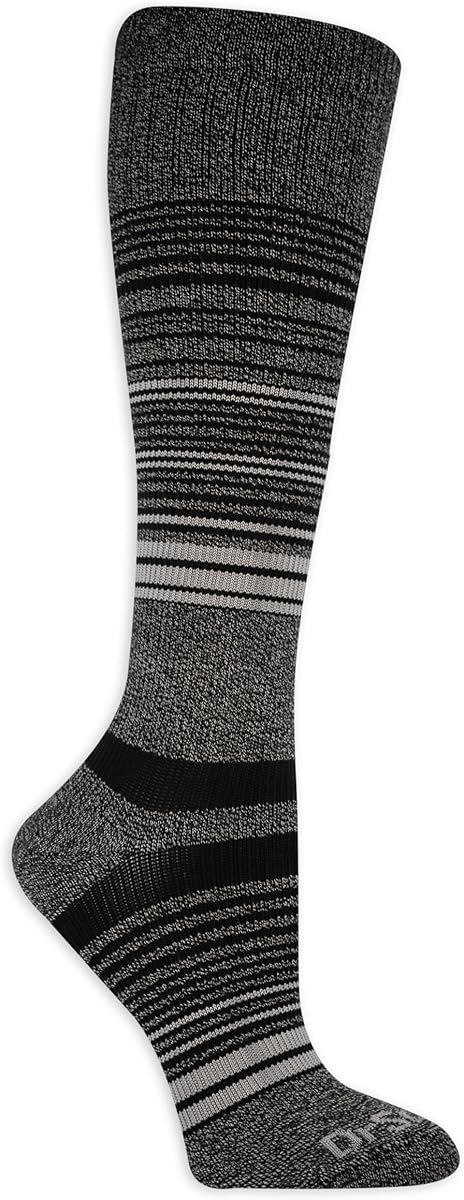
Dr. Scholl's Graduated Compression Knee High Socks provide mild 8-15mmHg pressure, making them suitable for everyday fatigue relief rather than medical treatment. This specific pressure range targets consumers seeking comfort during travel, work, or light activity without the tightness of therapeutic compression. Understanding graduated compression—strongest at the ankle and decreasing up the calf—is key to evaluating this product's design.
Key Considerations Before Buying
- The 8-15mmHg classification indicates mild compression, ideal for preventing leg fatigue during prolonged sitting or standing rather than treating venous conditions.
- Knee-high coverage provides calf support while remaining discreet under pants, but requires proper sizing to avoid uncomfortable rolling at the knee bend.
- Dr. Scholl's brand positioning emphasizes over-the-counter comfort solutions, so these socks prioritize wearability over maximum medical-grade compression.
What Our Analysts Recommend
Quality mild compression socks should maintain consistent graduated pressure without creating uncomfortable bands or losing elasticity after washing. The toe seam should be flat to prevent irritation, and the heel pocket must be properly positioned to ensure correct pressure distribution. For Dr. Scholl's specifically, check that the silicone band at the top provides gentle grip without constriction.
Compression Knee-High Socks Market Context
Market Overview
The compression sock market has expanded beyond medical applications to include lifestyle products targeting travelers, athletes, and professionals who stand all day. Dr. Scholl's occupies the accessible end of this spectrum with mild compression options available at major retailers. This category sees frequent innovation in materials, with brands competing on breathability, aesthetic appeal, and comfort during extended wear.
Common Issues
Consumers frequently report sizing inconsistencies across brands, with some socks being too tight at the calf or too loose at the ankle. Poorly constructed toe seams can cause discomfort, while low-quality elastic loses compression after minimal washing. Another common complaint involves socks that slip down during activity, defeating the purpose of graduated compression.
Quality Indicators
Look for socks specifying mmHg ranges rather than vague terms like 'light support,' as this indicates measured compression. Quality knee-highs feature reinforced heels and toes, seamless toe closures, and breathable moisture-wicking materials. Reputable brands provide detailed sizing charts accounting for both shoe size and calf circumference measurements.
Review Authenticity Insights
Grade B Interpretation
A Grade B authenticity rating with 10% estimated fake reviews suggests generally reliable feedback, though shoppers should remain discerning. The 4.40 adjusted rating (down from 4.67) indicates some review inflation, but the overwhelming majority of feedback appears genuine based on detailed medical contexts and specific usage scenarios mentioned in the analysis.
Trust Recommendation
Focus on reviews discussing specific conditions like pregnancy swelling, nursing shifts, or travel edema rather than generic praise. The analysis found authentic reviews frequently mention wearing duration, washing durability, and comparison to other compression levels—these detailed accounts provide more reliable insights than brief five-star ratings.
Tips for Reading Reviews
For compression socks, prioritize reviews that describe the wearer's calf measurements, specific activities (like 12-hour nursing shifts), and comparisons to other mmHg levels. Be skeptical of reviews claiming 'miracle cures' for serious medical conditions, as mild 8-15mmHg socks provide comfort relief rather than medical treatment.
Expert Perspective
Dr. Scholl's Graduated Compression Knee High Socks represent a solid entry-level option in the mild compression category, with their 4.40 adjusted rating reflecting genuine consumer satisfaction. The product successfully bridges the gap between medical compression and everyday comfort wear, though its 8-15mmHg range makes it unsuitable for those requiring therapeutic compression. The high review volume (over 16,000 ratings) provides substantial data points for evaluation, with authentic reviews consistently praising comfort during extended wear while noting limitations for larger calf sizes.
Purchase Considerations
Consider these socks if you need mild support for occupational standing, pregnancy, or travel, but seek medical-grade compression (20-30mmHg+) if you have diagnosed venous issues. Pay close attention to calf measurements rather than shoe size alone, as improper fit compromises both comfort and effectiveness. The breathable nylon-spandex blend suits daily wear but may not provide sufficient moisture management for intense athletic use.
Comparing Alternatives
Shoppers should compare Dr. Scholl's compression profile and sizing against similar mild compression options from brands like Bombas, Sockwell, or Physix Gear Sport.