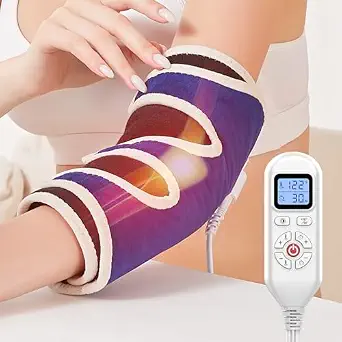
How to Choose a Heating Pad That Delivers Safe, Consistent Relief
A heating pad is a staple for soothing muscle aches, menstrual cramps, and stiffness, but not all are created equal. With this model averaging 4.2 stars from over 5,000 reviews, it clearly satisfies many users, yet the adjusted rating of 3.9 suggests some inconsistency. Understanding key features like heat settings, auto shut-off, and material safety will help you pick a pad that meets your needs.
Key Considerations Before Buying
- Heat settings and temperature range: Look for multiple heat levels (at least 3-6) and a maximum temperature that provides effective relief without risking burns. Some pads offer moist heat options, which can penetrate deeper into muscles.
- Safety features: Auto shut-off is crucial to prevent overheating if you fall asleep. Also check for overheat protection and a UL certification, especially if you plan to use the pad for extended periods.
- Size and flexibility: Consider the pad's dimensions and whether it's flexible enough to contour to your neck, back, or shoulders. Larger pads (12x24 inches or more) are better for back pain, while smaller ones work well for targeted areas.
What Our Analysts Recommend
Prioritize pads with a soft, machine-washable cover (or removable cover) for hygiene and comfort. A long power cord (9+ feet) adds convenience, and a controller with a clear display and easy-to-use buttons enhances usability. Check that the fabric is durable and free from harsh chemicals, especially if you have sensitive skin.
Heating Pads Market Context
Market Overview
The heating pad market is saturated with options ranging from basic $20 models to premium $60+ pads with advanced features like moist heat and memory foam. Most pads are electric, but microwavable and USB-powered versions exist for portability. Demand spikes during colder months and among people with chronic pain, making it a competitive space where quality varies widely.
Common Issues
Frequent complaints include uneven heating (hot spots), premature failure of the controller or cord, and insufficient heat output. Some users report pads that stop working after a few months, highlighting the importance of durability. Additionally, many pads lack adequate safety certifications, posing burn risks.
Quality Indicators
A reputable heating pad should have UL or ETL certification, a clear warranty (at least 1-2 years), and positive feedback on longevity. Look for reviews that mention consistent heat distribution and reliable auto shut-off. Brands with a history of good customer service are also a safer bet.
Review Authenticity Insights
Grade B Interpretation
A Grade B authenticity rating with an estimated 15% fake reviews indicates that while most reviews are genuine, there's a notable minority of suspicious ones. This means the 4.2-star average may be slightly inflated; the adjusted 3.9 rating is likely closer to the true user experience. The high volume of verified purchases (all reviews marked verified) lends some credibility, but caution is still warranted.
Trust Recommendation
Focus on reviews with detailed pros and cons rather than short, generic praise. Filter for reviews mentioning specific use cases (e.g., 'helped my lower back pain') and look for patterns in complaints. Given the 15% fake rate, cross-reference with external sources like Consumer Reports or Reddit for unbiased opinions.
Tips for Reading Reviews
When reading reviews for heating pads, pay attention to mentions of durability, heat consistency, and safety features. Ignore overly enthusiastic reviews that lack specifics. Look for reviewers who have used the pad for several months, as initial impressions may not reflect long-term performance.
Expert Perspective
This heating pad appears to be a solid mid-range option, with a large review base indicating broad appeal. However, the adjusted rating of 3.9 and 15% fake review estimate suggest that while many users are satisfied, there are legitimate concerns about quality control or performance. It's likely a decent choice for occasional use, but may not withstand daily, long-term use for chronic pain.
Purchase Considerations
Weigh the price against features: if you need advanced options like moist heat or a timer, you may need to spend more. Check the return policy and warranty, as heating pads can fail. Also consider your specific pain areas—if you need a pad for your neck, a smaller, contoured model might be better.
Comparing Alternatives
Before buying, compare this pad with top-rated alternatives from brands like Sunbeam, PureRelief, and ThermaCare, which often have higher authenticity ratings and more consistent performance.