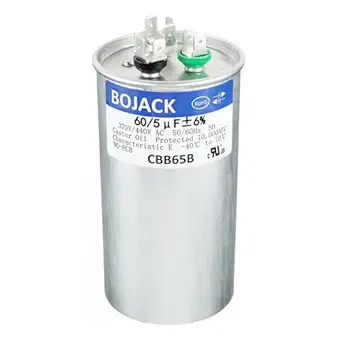
Choosing the Right 40/5 uF Dual Run Capacitor for Your HVAC System
When your air conditioner or heat pump struggles to start or the fan motor hums without spinning, the culprit is often a failing run capacitor. This 40+5 uF dual run capacitor, rated for 370V/440VAC, is a common replacement part for many residential HVAC systems, combining the compressor and fan motor start/run functions in one unit.
Key Considerations Before Buying
- Verify your system's required capacitance: Use the capacitor's label or your system's manual to confirm you need a 40/5 uF (microfarad) dual run capacitor. Installing the wrong value can lead to motor damage or inefficient operation.
- Check the voltage rating: This capacitor supports both 370V and 440VAC, which is typical for modern systems. Ensure your system's voltage rating does not exceed 440VAC; a higher-rated capacitor can always replace a lower-rated one, but not vice versa.
- Confirm the physical size and terminal type: Capacitors come in different sizes and with either quick-connect terminals or wire leads. Measure your old capacitor's dimensions and note the terminal arrangement to ensure a proper fit in your unit's electrical compartment.
What Our Analysts Recommend
Look for capacitors with a CBB65 designation, indicating a metallized polypropylene film construction that offers high reliability and self-healing properties. Also, check for a UL or ETL listing, which ensures the capacitor meets safety standards for use in HVAC applications.
Capacitors Market Context
Market Overview
The market for HVAC capacitors is driven by the need for affordable, reliable replacements for aging systems. With many homeowners opting for DIY repairs to save on service costs, there is a high demand for quality aftermarket parts that match OEM specifications.
Common Issues
Common issues include capacitors failing due to heat stress, power surges, or simply age. Buyers often face the challenge of selecting the correct microfarad rating and voltage, as well as dealing with counterfeit or low-quality products that may not meet stated specs or have a shorter lifespan.
Quality Indicators
Quality indicators include a clear, legible label with capacitance and voltage ratings, a sturdy, sealed casing, and the presence of a discharge resistor (or a safety label advising on discharge). Reputable brands often provide a warranty and have a track record of positive reviews from HVAC professionals and DIYers.
Review Authenticity Insights
Grade B Interpretation
The Grade B rating and estimated 10% fake review rate suggest that while the majority of reviews are authentic, a small portion may be incentivized or fabricated. This is not unusual for a popular product, but it means you should read reviews critically, focusing on those that provide specific technical details about installation and performance.
Trust Recommendation
Given the high adjusted rating of 4.50/5, the product is likely to perform as expected. However, to ensure you receive a genuine product, purchase from a reputable seller (preferably Amazon itself) and check for the manufacturer's warranty. If a review seems overly promotional or lacks specifics, take it with a grain of salt.
Tips for Reading Reviews
For this type of product, look for reviews that mention testing the capacitance with a multimeter before installation, as this indicates a careful, experienced buyer. Also, note reviews that describe the capacitor's fit in specific HVAC models—these are often more reliable than generic praise. Be wary of reviews that only say 'works great' without any context.
Expert Perspective
Based on the analysis, this 40/5 uF dual run capacitor appears to be a solid choice for replacing a failed component in residential AC units, heat pumps, and condensers. The 4.78/5 rating (adjusted to 4.50 after removing suspicious reviews) reflects genuine user satisfaction, with many DIYers appreciating the cost savings and straightforward installation. The CBB65 design and dual voltage rating (370/440VAC) are industry-standard for this application, providing confidence in compatibility.
Purchase Considerations
Before purchasing, double-check the exact capacitance and voltage your system requires, and measure the capacitor's physical dimensions. Consider buying a spare if you have an older system, as capacitors are a common failure point. Also, ensure you have the technical comfort to safely discharge the old capacitor and install the new one, or hire a professional.
Comparing Alternatives
Shoppers should compare this capacitor with other 40/5 uF models from brands like Titan Pro or Mars2, paying attention to price, warranty, and terminal types. While this product has strong reviews, it's wise to check that the seller offers a clear return policy in case of a rare defect.