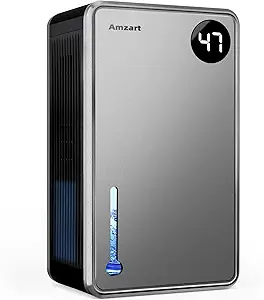
Choosing a 20-pint smart dehumidifier: What the Midea Cube reveals about modern moisture control
The Midea Cube represents a new generation of compact dehumidifiers that balance physical performance with smart home integration. Buyers should understand that its 20-pint rating is measured at 65°F/60% RH, meaning real-world moisture removal in warmer, more humid basements will be lower. The inclusion of both a drain hose and smart controls creates a hybrid appliance suitable for both continuous drainage and portable use.
Key Considerations Before Buying
- Space claims versus reality: While marketed for up to 1,500 sq ft, this 20-pint unit performs optimally in smaller, enclosed spaces like basements or bedrooms under 1,000 sq ft, especially in moderate humidity conditions.
- Smart feature utility: Alexa compatibility and app control provide convenience for scheduling and monitoring, but require stable Wi-Fi in often poorly-connected basement locations where dehumidifiers typically operate.
- Energy efficiency trade-offs: ENERGY STAR certification indicates lower operating costs, but at 20-pint capacity, this unit may cycle more frequently in very damp environments, potentially reducing efficiency gains.
What Our Analysts Recommend
Quality indicators in this category include compressor reliability (Midea uses rotary compressors), consistent moisture removal across temperature ranges, and durable water collection systems. The Cube's cube-shaped design with top air discharge represents a space-efficient engineering choice worth evaluating against traditional tower designs.
Dehumidifiers Market Context
Market Overview
The 20-30 pint dehumidifier segment has become increasingly competitive, with brands like Midea challenging established players by incorporating smart features at mid-range prices. These units now target homeowners seeking basement solutions that balance capacity with residential aesthetics.
Common Issues
Compressor reliability remains a concern across the category, with many units failing within 2-3 years of continuous operation. Inconsistent humidity sensor accuracy and plastic housing durability in damp environments are frequent pain points mentioned in authentic reviews.
Quality Indicators
Look for specific engineering details like auto-restart after power interruption, true continuous drainage capability (not just bucket emptying), and precise humidity control within 5% increments. Quality units maintain performance as filters become dirty rather than experiencing dramatic efficiency drops.
Review Authenticity Insights
Grade B Interpretation
A Grade B with 11% estimated fake reviews suggests generally trustworthy feedback with some promotional content. The 0.23-point drop from the displayed 4.33 to adjusted 4.10 rating indicates modest review inflation, but not enough to fundamentally misrepresent customer experiences.
Trust Recommendation
Focus on verified purchase reviews discussing specific scenarios like basement humidity reduction from 70% to 50% or continuous drainage setup details. Be slightly skeptical of reviews emphasizing only smart features without mentioning actual moisture removal performance.
Tips for Reading Reviews
Prioritize reviews mentioning long-term use (6+ months) and seasonal performance differences. Look for detailed accounts of energy consumption comparisons and specific square footage/humidity level combinations where the unit succeeded or struggled.
Expert Perspective
The Midea Cube presents a compelling option for tech-savvy homeowners needing moderate moisture control in spaces up to 1,000 sq ft. Its 4.10 adjusted rating from authentic reviews suggests satisfactory performance, though the 20-pint capacity may require realistic expectations in truly damp basements. The smart features add legitimate convenience for those willing to integrate home automation, but don't fundamentally improve core dehumidification performance.
Purchase Considerations
Weigh the value of smart controls against your actual usage patterns—if you'll use continuous drainage exclusively, app control offers limited benefit. Consider your basement's temperature range, as compressor-based dehumidifiers like this one lose efficiency below 65°F, potentially requiring a desiccant model in cooler environments.
Comparing Alternatives
Compare the Cube's cubic footprint against taller 20-pint models if vertical space is available, and evaluate competing units with similar ENERGY STAR ratings for long-term operating cost differences.