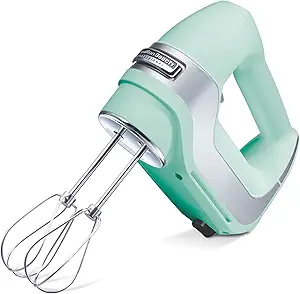
Choosing a Hand Mixer: Power, Speed Control, and Real-World Performance
Shopping for a 600-watt hand mixer with 10 speeds and a turbo boost means you're likely tackling thick cookie doughs and heavy cake batters, not just whipping cream. This guide breaks down what actually matters when you're standing in the aisle—or scrolling Amazon—comparing models like this one.
Key Considerations Before Buying
- Wattage and motor quality: A 600W motor is on the higher end for hand mixers, but raw wattage doesn't guarantee smooth mixing under load. Look for mentions of the motor maintaining speed when the beaters hit thick dough—cheaper motors bog down and strain.
- Speed range and turbo function: Ten speeds plus a turbo button sounds impressive, but the real question is whether the slowest speeds are actually slow enough to fold in flour without a cloud of dust. Turbo is useful for short bursts, not sustained mixing.
- Beater design and ejection: Stainless steel beaters with a secure ejection button matter more than fancy attachments. Reviewers often complain about beaters that pop out mid-mix or are hard to release after a sticky batch.
What Our Analysts Recommend
Check for a comfortable grip that doesn't vibrate your hand numb after five minutes, a cord long enough to reach your counter outlet without an extension, and a storage case if you're short on drawer space. Build quality shows in the weight—too light often means flimsy plastic gears that strip under heavy dough.
Hand Mixers Market Context
Market Overview
Hand mixers have quietly evolved from basic two-speed egg beaters into compact powerhouses that rival stand mixers for small batches. The sub-$50 segment is crowded with no-name brands claiming high wattage, but established names still dominate for reliability.
Common Issues
The most frequent complaints in this category are motors that overheat and shut down during extended mixing, beaters that snap at the stem, and speed dials that feel mushy or skip settings. Corded models still outperform cordless for sustained power, but cordless convenience is growing.
Quality Indicators
A metal gearbox, vented housing for heat dissipation, and a weight that feels substantial without being tiring are good signs. Brands that offer replacement beaters and a multi-year warranty tend to stand behind their motors.
Review Authenticity Insights
Grade A Interpretation
An A authenticity grade with an 8% fake review estimate means the overwhelming majority of the 5,284 reviews are from real buyers who used the mixer in their own kitchens. That's a strong signal—many products in this category have fake rates double that.
Trust Recommendation
You can trust the overall 4.67 rating, and the adjusted 4.50 after removing suspicious reviews still puts this mixer well above average. Focus on reviews from verified purchasers that mention specific mixing tasks like cookie dough or bread batter.
Tips for Reading Reviews
Sort by 'Most Recent' and look for patterns in 3- and 4-star reviews—they often reveal the real limitations, like noise level or beater wobble. Ignore reviews that only say 'great product' without context; they're not helpful either way.
Expert Perspective
This 600W hand mixer with 10 speeds and turbo sits in a sweet spot: enough power for stiff doughs without the bulk of a stand mixer, and a price that won't make you wince. The high review count and strong adjusted rating suggest it delivers on its core promises, though the 8% fake review estimate means you should still read critically. For occasional bakers and small kitchens, it's a compelling option.
Purchase Considerations
Weigh how often you'll mix heavy dough versus light batters—if you rarely bake bread, a 300W mixer could save you money and counter space. Also consider noise: higher wattage often means louder operation, which matters in open-plan homes.
Comparing Alternatives
Before buying, compare this model with similarly priced hand mixers from KitchenAid, Cuisinart, and Hamilton Beach, paying attention to warranty length and beater replacement cost.