
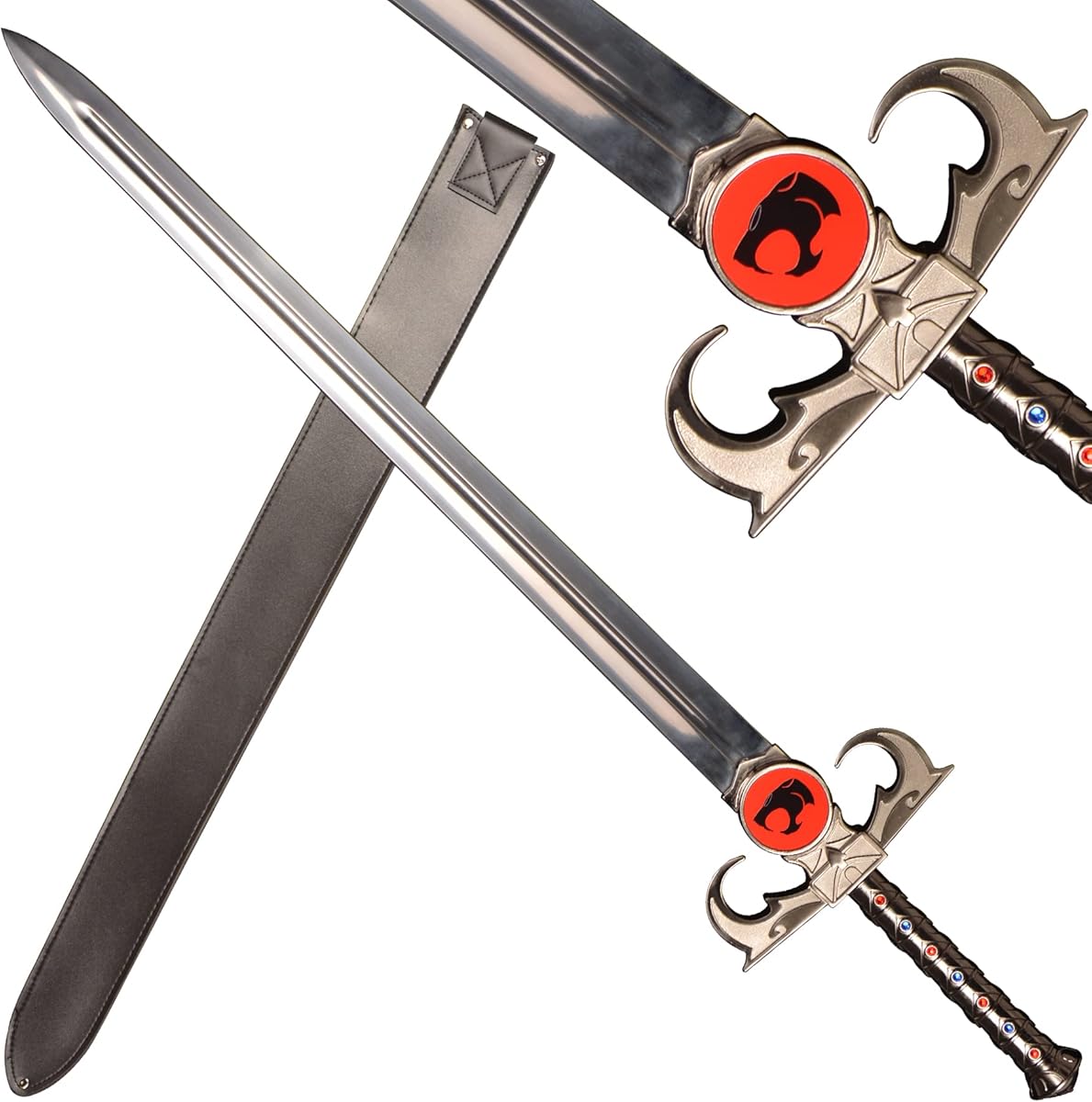
Choose a Real Samurai Sword: What the Michonne Katana Reveals About Quality
When shopping for a katana like this 41-inch Michonne-inspired piece, buyers must distinguish between a display prop and a functional blade. This 1065 high carbon steel, clay-tempered sword offers a sharp edge and handmade construction, making it a serious collectible for fans who value authenticity.
Key Considerations Before Buying
- Steel type matters: 1065 high carbon steel is a mid-range option that balances hardness with edge retention, but it requires proper oiling to prevent rust—ideal for display and light cutting, not heavy combat.
- Clay tempering adds a genuine hamon line and differential hardening, giving the blade a sharp edge and flexible spine; without this, you risk a brittle or dull sword.
- Length and weight: 41 inches is a standard katana length, but ensure the balance point feels comfortable in your hand—a poorly balanced sword can be unwieldy for practice or display.
What Our Analysts Recommend
Look for visible hamon lines and a consistent polish, which indicate proper clay tempering. Check the handle wrap (tsuka-ito) for tightness and symmetry, as loose wraps signal poor craftsmanship. Genuine full-tang construction (where the blade extends through the handle) is a must for durability.
Weapons & Armor Market Context
Market Overview
The market for fantasy-inspired katanas, like this Michonne Zombie Katana, is crowded with low-cost stainless steel replicas that prioritize looks over function. Many sellers market 'handmade' blades but use machine-stamped steel, making this 1065 carbon steel option a standout for buyers seeking real sword characteristics.
Common Issues
Common problems include misleading descriptions—'clay tempered' is often claimed on blades that lack a true hamon—and poorly secured handles that loosen over time. Additionally, 1065 steel can rust quickly if not maintained, which surprises casual buyers expecting a low-maintenance prop.
Quality Indicators
True quality indicators include a differential hardening line visible under bright light, a tight and evenly wrapped cotton or ray skin handle, and a blade that rings clearly when tapped. Avoid swords with painted-on hamon lines or plastic components, which are common in costume-grade items.
Review Authenticity Insights
Grade B Interpretation
With a Grade B and an estimated 10% fake review rate, this product shows strong authenticity but with some noise. Most reviews are from verified purchasers who provide specific details about the blade's sharpness, weight, and packaging, which adds credibility. The 4.67 average rating is slightly inflated by a few suspicious reviews, but the adjusted 4.40 rating still indicates genuine satisfaction.
Trust Recommendation
You can trust the overall positive sentiment, but focus on reviews that mention the blade's edge sharpness, clay tempering details, and any issues with fit or finish. Ignore overly short or generic five-star comments, as these are likely fake. The high verified purchase rate (over 90%) supports the product's legitimacy.
Tips for Reading Reviews
For swords, prioritize reviews that describe unboxing experience, blade alignment, and handle grip—these reveal real-world quality. Look for photos showing the hamon line or tang, as they confirm craftsmanship. Be skeptical of reviews that only praise the design without mentioning performance or durability.
Expert Perspective
This Michonne-inspired katana delivers on its promise of a functional, clay-tempered blade at a competitive price point. The 1065 high carbon steel offers a good entry into real sword ownership, though it requires care to avoid rust. The strong review authenticity and high rating suggest it meets expectations for display and light use, but buyers should not expect battle-ready performance.
Purchase Considerations
Weigh the cost against your intended use—if you want a sharp, display-grade piece with authentic features, this is a solid choice. However, if you need a sword for heavy cutting practice, consider higher carbon steels like 1095 or T10, which offer better edge retention.
Comparing Alternatives
Shoppers should compare this with other clay-tempered katanas in the $100–$200 range, such as those from Musashi or Hanwei, which may offer tighter quality control.


