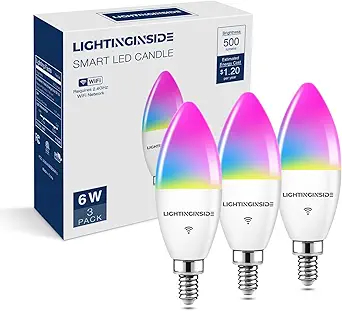
Kasa KL125P2 Smart Bulbs: Vibrant Color, Reliable WiFi, No Hub Needed
When shopping for smart bulbs, the Kasa KL125P2 stands out as a full-color, dimmable A19 option that works with Alexa and Google Home. It's crucial to understand that this bulb requires a 2.4GHz WiFi network, which is a common limitation for many smart home devices. This guide will help you assess if these bulbs fit your setup and expectations.
Key Considerations Before Buying
- Check your WiFi router: The Kasa KL125P2 only connects to 2.4GHz networks, not 5GHz. If your router broadcasts both bands under one SSID, you may need to temporarily disable the 5GHz band during setup to avoid connection failures.
- Consider the color range and brightness: With 800 lumens (equivalent to a 60W incandescent) and millions of colors, these bulbs are suitable for accent lighting and everyday use. However, if you need very bright task lighting in a large room, you might want to look for a higher-lumen option.
- No hub required: Unlike some smart lighting systems that need a separate hub, these bulbs connect directly to your WiFi. This simplifies setup but means they rely on your home network's stability—if your internet or router goes down, so does your smart control.
What Our Analysts Recommend
When evaluating smart bulbs, look for consistent color rendering across the spectrum, smooth dimming without flicker, and reliable app connectivity. Check if the bulb's app allows scheduling, scenes, and integration with your preferred voice assistant. Also, verify the bulb's physical dimensions—A19 is standard, but ensure it fits your fixtures, especially if you have enclosed housings that might affect heat dissipation.
LED Bulbs Market Context
Market Overview
The smart LED bulb market is crowded, with options ranging from budget-friendly to premium. Kasa (by TP-Link) has carved a niche by offering feature-rich bulbs without requiring a hub, leveraging WiFi for direct control. Competing brands like Philips Hue and Wyze offer similar products, but Kasa's focus on easy integration with Alexa and Google Home makes it a popular choice for beginners.
Common Issues
Common issues in this category include WiFi connectivity problems, especially with dual-band routers, and inconsistent color accuracy between bulbs. Some users report that smart bulbs can interfere with other 2.4GHz devices, and others find that the mobile app is clunky or lacks advanced automation features. Flickering at low brightness levels is another occasional complaint.
Quality Indicators
Look for bulbs with high lumen output (800+), a wide color temperature range (2700K-6500K), and a high Color Rendering Index (CRI) of 90 or above for accurate colors. Check for certifications like Energy Star or UL listing, and read reviews that mention long-term reliability and consistent performance after months of use. A reputable brand with regular firmware updates is also a good sign.
Review Authenticity Insights
Grade B Interpretation
The B grade and 12% estimated fake review rate indicate that while the majority of reviews are genuine, a small but notable portion may be incentivized or fabricated. This is typical for popular products with thousands of reviews. The high overall rating of 4.89 is slightly tempered when adjusted to 4.60, suggesting that some negative experiences are being masked by potentially less reliable positive reviews.
Trust Recommendation
You can trust the general consensus that these bulbs perform well, but don't rely solely on the star rating. Pay close attention to reviews that mention specific troubleshooting steps or issues, as they often provide real-world insights. Also, consider the mix of positive and negative feedback—if you see recurring complaints about a particular issue (like setup difficulties), weigh that heavily in your decision.
Tips for Reading Reviews
When reading reviews for smart bulbs, filter for verified purchases and look for detailed accounts that mention the user's specific home setup (router model, phone type, voice assistant). Be skeptical of reviews that are overly generic or lack specifics. Also, check the date of reviews—recent ones may reflect firmware updates or changes in app functionality.
Expert Perspective
The Kasa KL125P2 emerges as a solid choice for users seeking a budget-friendly, feature-rich smart bulb without the need for a hub. Its 800-lumen output and full color range are competitive for the price, and the high rating, even after adjustment, suggests strong user satisfaction. The primary caveat is the 2.4GHz WiFi requirement, which can be a hurdle for some, but not a deal-breaker if you're willing to adjust your router settings.
Purchase Considerations
If you already use Alexa or Google Home, these bulbs will integrate seamlessly. However, if you have a mesh WiFi system that doesn't allow band separation, you might face setup challenges. Also, consider the 2-pack: it's a good value for trying out the bulbs in different rooms, but you may need additional packs for a whole-home setup.
Comparing Alternatives
While the Kasa KL125P2 is a strong contender, it's wise to compare it with other hubless smart bulbs like the Wyze Bulb or Philips Hue (if you're open to a hub). Each has its own app ecosystem and compatibility nuances, so your final choice should align with your existing smart home devices and preferences.