
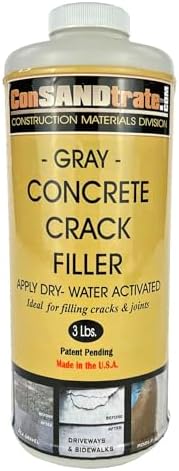
Choosing the Right Polymer-Based Concrete Filler for Driveways and Patios
When selecting a concrete crack filler like the ConSandtrate 3 lb. polymer sealant, focus on its specific formulation for exterior horizontal surfaces. This product's polymer base offers different performance characteristics than traditional cementitious or epoxy fillers, particularly regarding flexibility and adhesion in freeze-thaw cycles common on driveways.
Key Considerations Before Buying
- Assess crack width and depth—this 3 lb. bottle formulation works best for cracks up to ½ inch wide, requiring proper surface preparation for optimal polymer adhesion.
- Consider climate exposure—polymer-based fillers like ConSandtrate must maintain flexibility in temperature extremes without cracking or pulling away from concrete edges.
- Evaluate application method—this product's viscosity and working time affect how easily it fills cracks without sagging on sloped surfaces like driveways.
What Our Analysts Recommend
Quality polymer concrete fillers should specify their flexibility rating and UV resistance for exterior use. Look for products with clear temperature application ranges and cure times—ConSandtrate's gray color matching is important for aesthetic repairs on visible surfaces like walkways.
Wall Repair Market Context
Market Overview
The concrete repair category has shifted toward polymer-based solutions that offer easier application than traditional cement mixes. Products like ConSandtrate compete with both liquid crack fillers and pre-mixed patching compounds, with polymer formulas gaining popularity for their balance of durability and user-friendliness.
Common Issues
Consumers frequently report fillers shrinking away from crack edges, discoloring differently than surrounding concrete, or failing to adhere properly to damp surfaces. Many products struggle with the expansion/contraction cycles of exterior concrete, leading to premature failure.
Quality Indicators
Superior concrete fillers specify tensile strength, elongation percentage, and bond strength to concrete. The best products provide clear surface preparation requirements and offer color options that actually blend with aged concrete, not just new gray concrete.
Review Authenticity Insights
Grade B Interpretation
The Grade B authenticity rating with 11% estimated fake reviews suggests mostly genuine feedback with some promotional content. For this concrete repair product, this means most reviews reflect actual user experiences, though you should watch for overly enthusiastic claims about miraculous repairs.
Trust Recommendation
Focus on reviews that mention specific conditions—crack sizes, weather during application, and long-term results after seasonal changes. The adjusted 4.40 rating (down from 4.67) better represents genuine customer satisfaction with this polymer filler.
Tips for Reading Reviews
Prioritize reviews discussing surface preparation methods and results after 6+ months. Look for mentions of product consistency, working time, and how well the gray color matched weathered concrete—these details indicate authentic use experiences.
Expert Perspective
The ConSandtrate polymer filler shows strong genuine satisfaction with its 4.40 adjusted rating from verified users. Its polymer formulation appears to address common concrete repair pain points—particularly flexibility and adhesion—based on detailed reviews describing successful driveway and patio applications. The product's 3 lb. size targets homeowners with moderate repair needs rather than professional contractors.
Purchase Considerations
This product makes most sense for hairline to ½-inch cracks on stable concrete surfaces. Consider your climate—polymer fillers perform differently in constant freeze-thaw regions versus mild climates. The single bottle format limits larger projects but prevents waste for typical residential repairs.
Comparing Alternatives
Compare ConSandtrate's polymer formula against silicone-based crack fillers and traditional hydraulic cement products for your specific repair scenario.


