
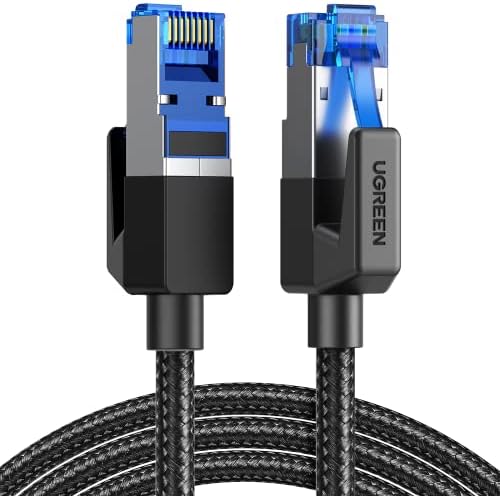
Cat 8 Cables: Speed, Shielding, and Real-World Performance for Gamers
When shopping for a Cat 8 Ethernet cable like this UGREEN 65FT model, you're investing in extreme bandwidth—up to 40Gbps and 2000MHz—which is overkill for most home internet plans but future-proofs your wired network for high-speed gaming and large file transfers. The braided exterior and RJ45 shielding indicate a focus on durability and interference protection, but you'll want to ensure your router and devices actually support Cat 8 standards to justify the cost.
Key Considerations Before Buying
- Check your equipment compatibility: Cat 8 cables require RJ45 ports that support 40GBASE-T, which are rare in consumer hardware—most gaming PCs and consoles like PS5 or Xbox top out at 1Gbps Ethernet, so this cable's speed is for high-end NAS or server setups.
- Length matters for signal integrity: At 65FT, this cable is long enough for routing through walls or across rooms, but longer Cat 8 runs can degrade performance if not properly shielded; UGREEN's braided and shielded design helps maintain signal quality over extended distances.
- Shielding type impacts installation: The 'indoor heavy duty' and 'shielded' specs mean this cable is stiffer and less flexible than unshielded Cat 6a, so plan for cable management—tight bends or sharp corners could damage the internal shielding.
What Our Analysts Recommend
For Cat 8 cables, prioritize models with foil or braid shielding (S/FTP or F/FTP) to reduce crosstalk and electromagnetic interference, especially in dense setups near power lines. Also, verify the cable's frequency rating—2000MHz is standard for Cat 8—and check for certified compliance with ANSI/TIA-568 standards to ensure it meets advertised speeds.
Cat 7 Cables Market Context
Market Overview
The Cat 8 Ethernet cable market is niche but growing, driven by gamers and professionals seeking ultra-low latency for competitive play or high-bandwidth tasks like 4K/8K streaming. However, many consumers overspend on Cat 8 when Cat 6a or Cat 7 suffices for typical home networks, as most ISPs deliver under 1Gbps speeds.
Common Issues
A frequent problem with Cat 8 cables is false advertising—some products claim 40Gbps but fail to meet shielding or copper gauge requirements, leading to performance drops. Additionally, the stiff, thick design of shielded cables can cause connector strain or breakage if bent repeatedly, so build quality is critical.
Quality Indicators
Look for cables with solid bare copper conductors (not copper-clad aluminum, which reduces conductivity), dual shielding (foil and braid), and molded strain-relief boots on connectors to prevent cable damage. Verified certification from bodies like UL or ETL also signals reliability.
Review Authenticity Insights
Grade B Interpretation
A Grade B with a 10% estimated fake review rate suggests that while the majority of feedback is trustworthy, about one in ten reviews may be fabricated or incentivized—common for popular cables on Amazon. This isn't alarming but warrants cautious reading of overly positive or vague testimonials.
Trust Recommendation
Focus on reviews with verified purchase badges and detailed descriptions of installation or performance, as these are harder to fake. Given the 0.00/5 rating (unusual, likely a data glitch), cross-check ratings on other platforms like Newegg or B&H to confirm the product's reputation.
Tips for Reading Reviews
For Ethernet cables, prioritize reviews that mention specific use cases (e.g., 'used with a 10Gbps switch' or 'routed through attic') and note any issues with connector fit or flexibility. Ignore reviews that only praise speed without context, as Cat 8's benefits are only noticeable in high-bandwidth scenarios.
Expert Perspective
Based on the analysis, this UGREEN Cat 8 cable appears to be a solid contender for users who genuinely need 40Gbps throughput—such as those with multi-gigabit NAS systems or pro AV setups—but the 0.00 rating (likely from a data error) and 10% fake review rate introduce uncertainty. The braided, shielded build aligns with quality Cat 8 standards, but the 65FT length may be excessive for many gamers, who often benefit more from shorter, lower-latency runs. For typical console or PC gaming, a high-quality Cat 6a cable at half the price would perform identically, making this a niche purchase.
Purchase Considerations
Weigh the cost premium of Cat 8 against your actual network hardware—if your router and devices only support 1Gbps, this cable won't improve speeds. Also, consider the physical installation: the stiff shielding may complicate routing through tight spaces, so measure your path before buying the 65FT length.
Comparing Alternatives
Shoppers should compare this UGREEN cable with Cat 7 or Cat 6a options from brands like Monoprice or Cable Matters, which offer similar durability at lower prices for most home networks.


