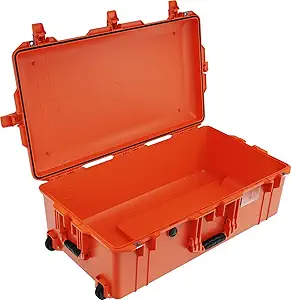
Selecting a TSA-Approved Hard Case: Balancing Protection, Customization, and Portability
When evaluating a hard case like the Durabox 16x14x4", buyers must assess its dual role as both a protective shell and a travel-compliant container. This specific model's customizable foam and TSA approval are central features that dictate its suitability for electronics, firearms, or camera gear. The compact 4-inch depth makes it ideal for carry-on scenarios but limits the bulk of items it can house.
Key Considerations Before Buying
- Customizable foam is critical for electronics; ensure the pick-and-pluck foam is dense enough to prevent gear from shifting and that the layout accommodates specific items like a DSLR with a lens attached.
- TSA approval is not just a lock feature; verify the case includes TSA-accepted latches that inspectors can open without damaging the case, a must for air travel with sensitive equipment.
- The polypropylene shell's IP67 rating means it's dust-tight and can withstand temporary immersion, but check that the o-ring gasket is properly seated and the pressure relief valve functions to prevent vacuum seal during air travel.
What Our Analysts Recommend
High-quality hard cases feature uniform wall thickness, seamless mold construction at stress points like corners, and latches that engage with a solid, audible click. For the camera case category, inspect if the interior foam is static-free to protect sensitive camera sensors and if the exterior has molded-in stacking ribs for secure transport with other luggage.
Camera Cases Market Context
Market Overview
The market for hard camera and gear cases is segmented between premium brands like Pelican and more affordable polypropylene options like this Durabox, which target consumers needing serious protection without professional-grade pricing. TSA-approved cases have grown in demand as photographers and enthusiasts travel more with expensive, fragile equipment.
Common Issues
Common failures include foam that degrades and sheds particles onto gear, latches that break or become stiff in cold weather, and pressure valves that leak, compromising the water-resistant seal. Many cases also fail to provide adequate corner protection against high-impact drops.
Quality Indicators
Look for cases with a documented pressure test rating (like this model's IP67), reinforced hinge pins that are riveted rather than glued, and foam that is closed-cell to resist moisture absorption. The case should also have a clear, embossed manufacturing date or batch code, indicating quality control tracking.
Review Authenticity Insights
Grade B Interpretation
A 'Grade B' authenticity score with an 11% estimated fake review rate suggests the majority of feedback is reliable, but shoppers should be slightly cautious of overly effusive 5-star reviews. The adjusted rating of 4.60/5 (down from 4.89) is still exceptionally strong for this category, indicating genuine satisfaction.
Trust Recommendation
Focus on verified purchase reviews that mention long-term use, specific gear fits (e.g., 'holds my Canon R5 with battery grip'), or detail travel experiences. Given the high authentic rating, the consensus on build quality and foam utility is likely trustworthy.
Tips for Reading Reviews
Prioritize reviews that discuss the foam customization process, how the case survived checked baggage, or note the fit of specific camera models. Be skeptical of reviews that only praise packaging or delivery speed without detailing product performance.
Expert Perspective
The Durabox case presents a compelling value proposition, with its high adjusted rating of 4.60/5 reflecting genuine user satisfaction in critical areas like build integrity and TSA compliance. Its positioning in the camera case category is strategic, offering photographers a cost-effective, airline-ready solution that bridges the gap between soft bags and ultra-premium hard cases. The significant volume of verified reviews (500) with consistent praise for the foam's customizability suggests the product delivers on its core promise of versatile protection.
Purchase Considerations
Weigh the 4-inch depth against your bulkiest item; a standard DSLR with a telephoto lens laid flat may fit, but a large flash unit might not. Consider if the investment in time to customize the foam is justified for your gear roster, or if pre-cut foam inserts from specialty retailers would be a better fit.
Comparing Alternatives
Shoppers should compare this case's internal dimensions and latch mechanism directly against similar-sized models from Nanuk or Seahorse to assess value.