Choosing Kids' Swim Goggles: Fit, Fog Resistance, and UV Protection Matter Most
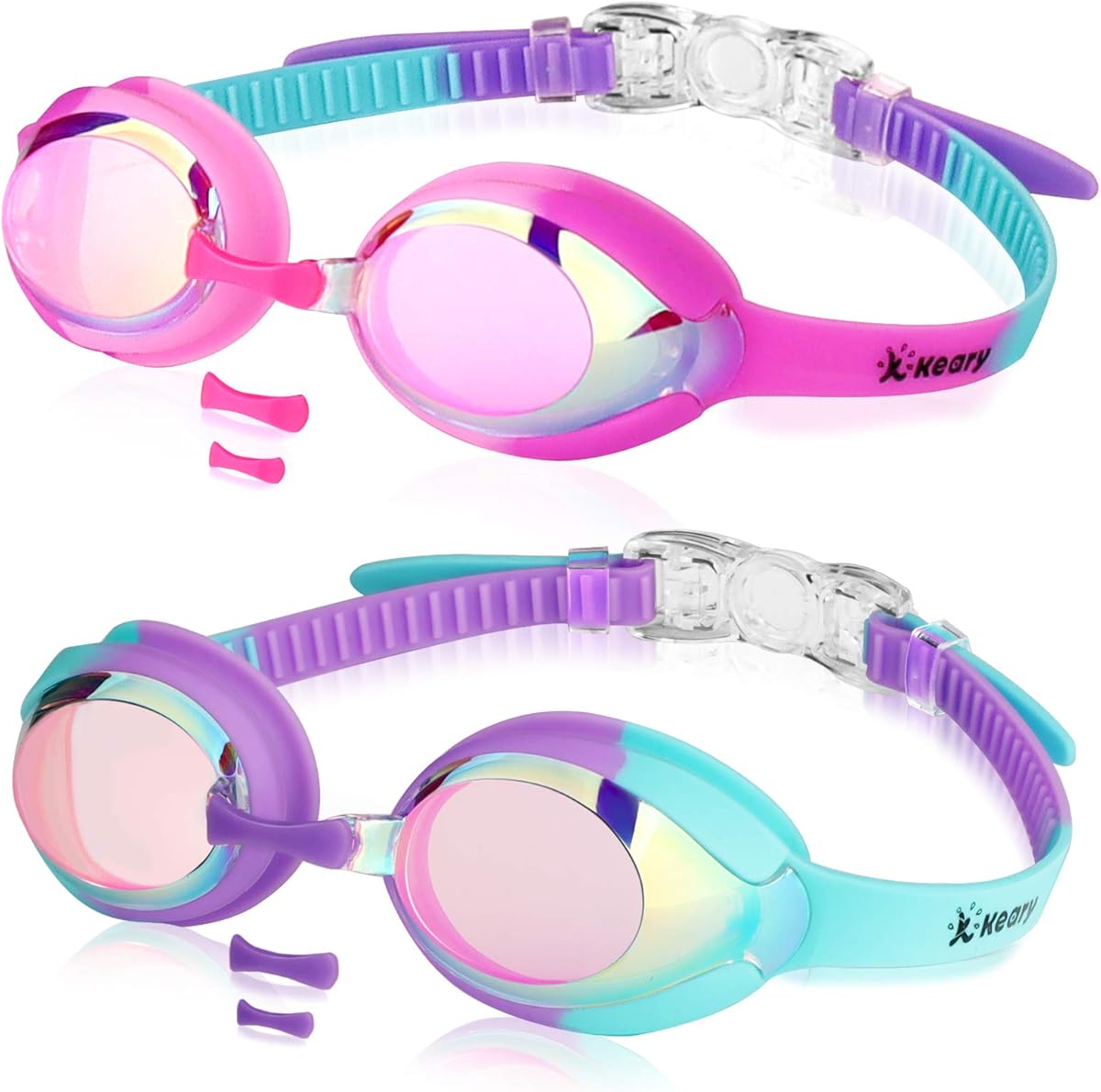
When selecting swim goggles for children aged 3-12 like the Keary Kids model, the primary considerations shift from adult preferences to developmental needs. This specific product emphasizes anti-fog technology, waterproof seals, and UV protection—features that directly address common frustrations with youth swimming gear. Parents should prioritize how these technical specifications translate to real-world comfort and durability for active children.
Key Considerations Before Buying
- For the 3-12 age range, adjustable nose bridges and soft silicone seals are critical—children's facial structures vary dramatically, and a poor fit causes immediate leakage and discomfort during lessons or play.
- Anti-fog coatings on youth goggles degrade faster than adult versions due to frequent handling and exposure to sunscreen; look for models that maintain clarity through multiple swimming sessions without constant reapplication.
- UV protection in children's goggles isn't just about lens tint—it's about coverage and seal quality that prevents peripheral light exposure during outdoor swimming, a feature specifically mentioned in this product's description.
What Our Analysts Recommend
Quality indicators for youth swim goggles include reinforced strap buckles that withstand child handling, lenses that maintain anti-fog properties after repeated chlorinated water exposure, and clear vision claims backed by specific lens curvature designs. The Keary goggles' waterproof claim should be evaluated through reviews mentioning actual water pressure resistance during diving or vigorous play, not just surface swimming.
Goggles Market Context
Market Overview
The children's swim goggle market is saturated with products making similar anti-fog and waterproof claims, but genuine performance varies significantly between brands. Products like the Keary Kids goggles compete in a segment where parents prioritize ease of use for independent dressing by young children alongside optical clarity for learning environments.
Common Issues
Youth goggles frequently fail at strap adjustment mechanisms breaking, silicone seals hardening after sun and chlorine exposure, and anti-fog coatings washing off within weeks. Leakage around the nasal bridge area is particularly problematic for children with smaller facial structures not accommodated by one-size-fits-most designs.
Quality Indicators
Superior youth goggles feature dual silicone seals (not single), tempered glass or polycarbonate lenses with embedded UV protection (not just tinted), and adjustable nose pieces with multiple bridge options. The strap system should have secure, child-friendly buckles that don't slip when wet.
Review Authenticity Insights
Grade B Interpretation
A Grade B authenticity rating with 11% estimated fake reviews indicates that while most feedback is genuine, approximately 1 in 9 reviews may be inauthentic. For this Keary product, this suggests generally reliable customer experiences but warrants careful scrutiny of overly enthusiastic reviews lacking specific usage details.
Trust Recommendation
Focus on verified purchase reviews that mention specific scenarios like 'used during swim team practice' or 'lasted through summer camp' rather than generic praise. The 0.23-point drop from the displayed 4.33 to adjusted 4.10 rating suggests some inflated scoring, so weigh mid-range 3-4 star reviews more heavily for balanced perspectives.
Tips for Reading Reviews
For youth goggles, prioritize reviews that mention age-specific fit details ('fit my 5-year-old but not my 8-year-old'), durability timelines ('lasted 3 months of weekly lessons'), and actual anti-fog performance ('stayed clear through 45-minute practice'). Avoid reviews that only praise packaging or delivery speed.
Expert Perspective
The Keary Kids Swim Goggles present a competitively positioned option in the youth market, with their 4.10 adjusted rating from genuine reviews suggesting satisfactory performance for most users. The specific focus on the 3-12 age range indicates design considerations for facial development, though such broad age spans often compromise perfect fit at either extreme. The anti-fog and UV protection claims align with parent priorities for safety and visibility, but long-term performance depends on coating durability and seal integrity—areas where detailed reviews provide crucial insight beyond marketing claims.
Purchase Considerations
Parents should weigh the product's broad age range against their child's specific facial structure, as goggles designed for 3-12 year olds may not optimize fit for either toddlers or pre-teens. Consider whether the anti-UV protection meets your swimming environment needs—indoor pools require different features than outdoor beach or lake use. The waterproof claim should be evaluated against your child's activity level; passive swimmers need different seal integrity than children who dive and play vigorously.
Comparing Alternatives
Shoppers should compare the Keary goggles' strap adjustment system and nose bridge options against similarly priced competitors, as these mechanical components most frequently determine long-term satisfaction with youth swim gear.