Choosing a Rechargeable Mosquito Repeller: Key Factors for Effective Outdoor Protection
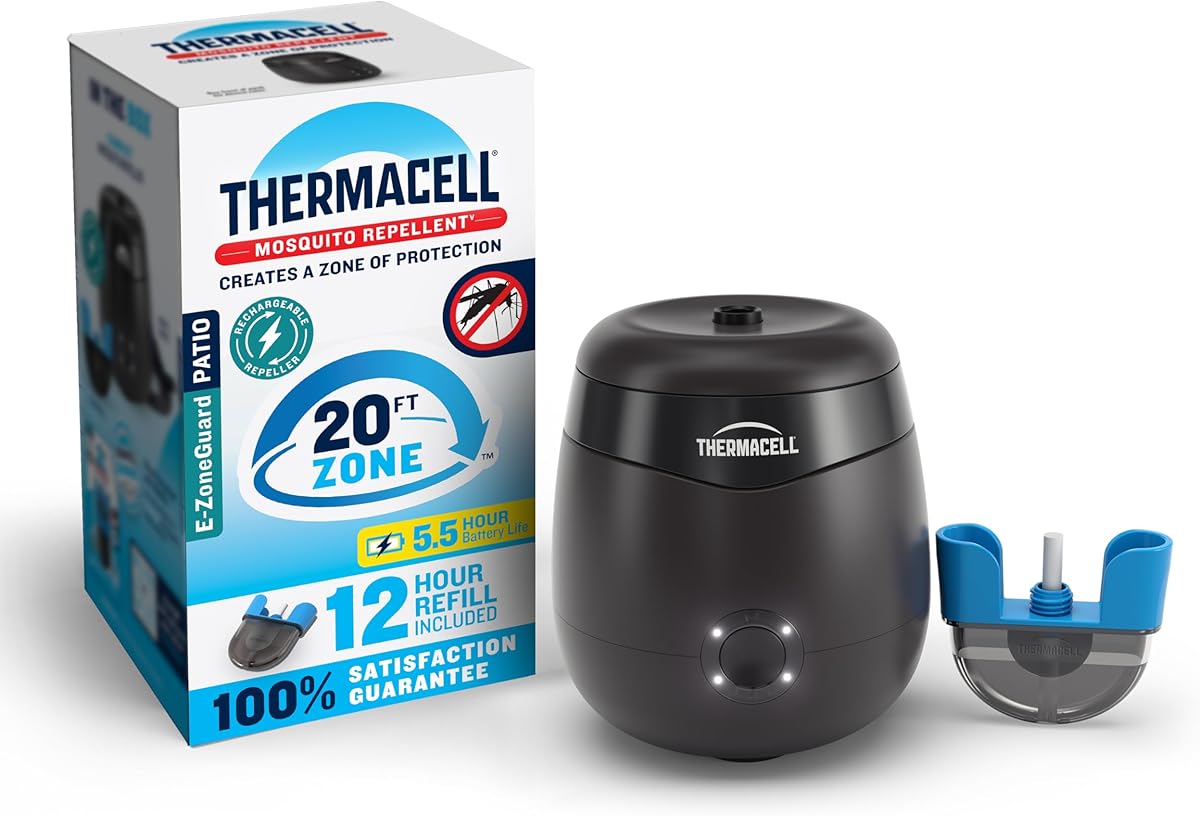
The Thermacell E-Series represents a specific category of spatial repellents that create a chemical barrier rather than applying substances directly to skin. Unlike traditional bug sprays, this device uses a heated mat to disperse allethrin, a synthetic pyrethroid, creating a 20-foot protection zone that's particularly relevant for patio seating areas or small gatherings.
Key Considerations Before Buying
- The 20-foot protection zone is effective for defined spaces like decks or patios but may require multiple units for larger yards or irregular areas.
- Rechargeable operation eliminates ongoing battery costs but requires planning for charging cycles during peak mosquito season.
- Scent-free operation makes this suitable for dining areas and people sensitive to chemical odors, though effectiveness depends on minimal wind interference.
What Our Analysts Recommend
Quality indicators include consistent heat plate performance for even allethrin dispersion and durable construction that withstands outdoor humidity. For rechargeable models specifically, examine battery life claims versus real-world runtime, as effective mosquito protection requires continuous operation for several hours.
Repellents Market Context
Market Overview
The spatial mosquito repeller market has shifted toward rechargeable models as consumers seek alternatives to disposable butane cartridges and skin-applied repellents. Thermacell's E-Series competes directly with butane-powered versions of their own products, offering different trade-offs between convenience and ongoing cost.
Common Issues
Wind significantly reduces effectiveness of spatial repellents by dispersing the chemical barrier, while some users report inconsistent performance in high-humidity conditions. Rechargeable models specifically face battery degradation concerns over multiple seasons.
Quality Indicators
Effective spatial repellents demonstrate consistent heat regulation for proper allethrin vaporization and weather-resistant construction. Quality units maintain their protection zone consistently rather than creating sporadic 'gaps' in coverage.
Review Authenticity Insights
Grade B Interpretation
A Grade B authenticity rating with 11% estimated fake reviews indicates predominantly genuine feedback with some promotional content. The 0.24-point drop from the displayed 4.44 to adjusted 4.20 rating suggests minor review inflation but generally reliable customer experiences.
Trust Recommendation
Focus on reviews discussing specific usage scenarios like patio dinners or camping trips rather than generic praise. The authenticity data suggests mid-to-long-term performance reviews (discussing multiple seasons of use) are particularly valuable for this rechargeable product.
Tips for Reading Reviews
Look for reviews mentioning actual mosquito pressure in your region (wooded areas vs. urban settings) and specific situations like evening gatherings. Reviews discussing battery life after 10+ uses provide more insight than first-impression testimonials.
Expert Perspective
The Thermacell E-Series' 4.20 adjusted rating from over 20,000 reviews indicates strong consumer satisfaction for its specific use case: creating scent-free protection zones in low-wind conditions. The rechargeable feature addresses a common complaint about ongoing cartridge costs in butane models, though it introduces battery dependency. This product excels in contained outdoor spaces but may underperform in open, breezy areas where the chemical barrier disperses too quickly.
Purchase Considerations
Consider your typical mosquito pressure and outdoor space configuration—this device works best for defined 20-foot diameter areas with minimal airflow. The scent-free operation is valuable for dining areas but doesn't necessarily mean chemical-free, as allethrin is still an insecticide. Weigh the upfront cost against long-term savings from not purchasing butane cartridges or spray repellents.
Comparing Alternatives
Compare runtime and recharge times against butane-powered Thermacell models, and consider whether citronella-based systems might suffice for lighter mosquito pressure.