
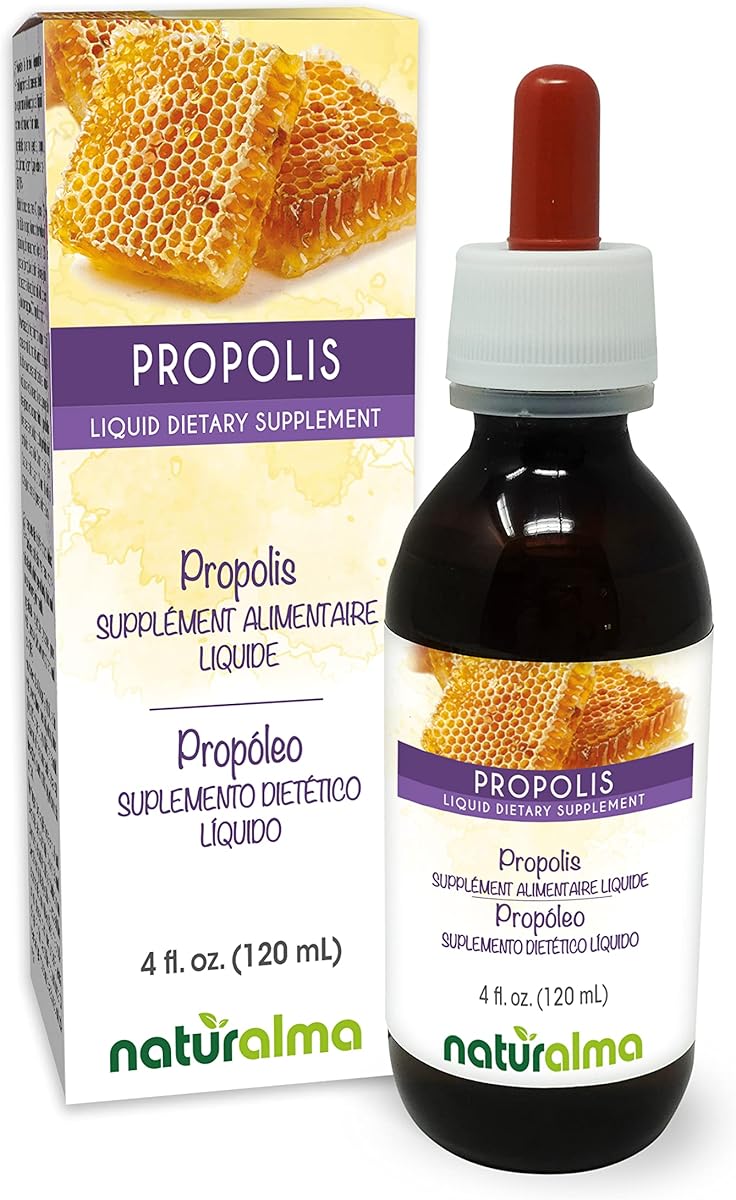
Choosing an Alcohol-Free Propolis Tincture: What Makes Naturalma's Formula Stand Out
When evaluating this Naturalma Propolis tincture, buyers should focus on its unique alcohol-free extraction method and resin-based formulation. Unlike many propolis supplements that use ethanol, this product utilizes a glycerin-based extraction, which is particularly relevant for those avoiding alcohol or with sensitive oral tissues.
Key Considerations Before Buying
- The 4 fl oz liquid extract in drops format requires understanding proper dosage—typically measured in drops rather than teaspoons—which affects how long the bottle will last with regular use.
- As a resin alcohol-free tincture, absorption rates may differ from alcohol-based extracts, potentially affecting how quickly you experience benefits and how it should be taken (sublingually vs. mixed).
- The 'dietary supplement' classification means this product isn't evaluated by the FDA for specific disease claims, so focus on reviews mentioning general wellness support rather than medical outcomes.
What Our Analysts Recommend
Quality indicators for this specific product include the dark, viscous consistency characteristic of resin-based propolis and the absence of alcohol scent. Genuine propolis tinctures should have a complex, slightly bitter taste with herbal notes, not just sweet from the glycerin base.
Blended Vitamin & Mineral Supplements Market Context
Market Overview
The propolis supplement market has expanded beyond traditional beekeeping communities, with alcohol-free options like Naturalma's gaining popularity among health-conscious consumers and those with dietary restrictions. The blended vitamin and mineral category increasingly includes bee products positioned for immune and antioxidant support.
Common Issues
Many propolis tinctures suffer from inconsistent potency due to varying raw material quality, while alcohol-free versions sometimes use excessive sweeteners to mask bitterness. Some products labeled 'extract' contain minimal actual propolis resin, diluting effectiveness.
Quality Indicators
For resin-based propolis, look for products specifying the raw material source and extraction ratio. Higher-quality tinctures maintain propolis's natural complexity rather than isolating single compounds, preserving the synergistic 'entourage effect' of its 300+ constituents.
Review Authenticity Insights
Grade B Interpretation
The Grade B authenticity rating with 11% estimated fake reviews indicates mostly reliable feedback, though approximately 1 in 9 reviews may be inauthentic. This is better than average for dietary supplements but suggests some scrutiny is warranted.
Trust Recommendation
Focus on the 4.00 adjusted rating (excluding suspicious reviews) rather than the 4.22 raw average, as it better reflects genuine customer experiences. Pay particular attention to verified purchase reviews discussing long-term use patterns over several weeks.
Tips for Reading Reviews
For this product, prioritize reviews mentioning specific usage contexts like 'during travel season' or 'for occasional throat discomfort,' as these demonstrate authentic use cases. Be skeptical of reviews making dramatic medical claims, as propolis is a dietary supplement, not a medication.
Expert Perspective
Naturalma's alcohol-free formulation addresses a specific niche within the propolis market, appealing to consumers who want bee propolis benefits without ethanol. The 4.00 adjusted rating from over 2,300 reviews suggests consistent satisfaction, particularly notable for a specialized product. The resin-based extraction method, while less common than spray-dried versions, may preserve more of propolis's natural compounds, though absorption characteristics differ from alcohol tinctures.
Purchase Considerations
Weigh whether the alcohol-free glycerin base aligns with your preferences—it's better for those avoiding alcohol but may have slightly different bioavailability. Consider your dosage needs: at typical 20-30 drop servings, this 4 fl oz bottle provides approximately 60-90 servings, lasting 1-3 months with daily use.
Comparing Alternatives
Shoppers should compare extraction methods (alcohol vs. glycerin), propolis concentration per serving, and whether competitors use pure resin or diluted extracts.


