Choosing a 5000A Peak Lithium Jump Starter: What Matters Beyond the Spec Sheet
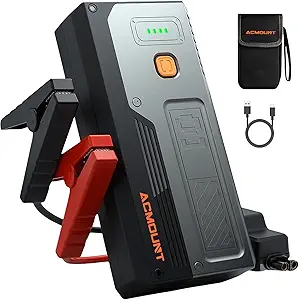
When evaluating this specific 5000A peak lithium jump starter with USB-C quick charge, focus on real-world performance versus marketing claims. The 'Up to 7.0L Gas or 5.5L Diesel' rating indicates its intended engine capacity range, but actual success depends on battery chemistry management and connection reliability.
Key Considerations Before Buying
- Verify the actual cranking amperage versus the 5000A 'peak' rating—sustained power delivery matters more for stubborn starts in cold weather.
- Assess the USB-C quick charge capability for your devices; some units prioritize jump starting circuitry over fast phone charging.
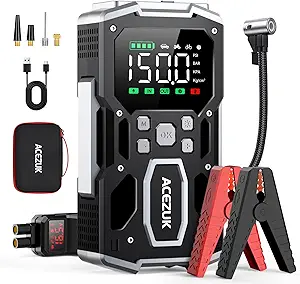
- Consider the physical build quality of the clamps and cables—thicker gauge wiring and secure connections prevent voltage drop during critical starts.
What Our Analysts Recommend
Quality indicators include robust battery management systems that prevent over-discharge, clear state-of-charge indicators (not just basic LEDs), and safety features like reverse polarity protection. The inclusion of a bright LED work light is practical, but check reviews for its actual lumen output and runtime.
Jump Starters Market Context
Market Overview
The lithium jump starter market is saturated with products claiming high peak amperage, but real differentiation comes from reliability, safety features, and accurate capacity labeling. The shift toward USB-C power delivery reflects consumer demand for multi-use devices beyond emergency jump starting.
Common Issues
Common problems include exaggerated peak amp claims that don't translate to real engine starts, poor quality clamps that damage battery terminals, and lithium batteries that degrade quickly without proper management circuits. Many units struggle with multiple consecutive jump attempts despite marketing claims.
Quality Indicators
Look for UL certification or equivalent safety standards, genuine customer reviews mentioning successful starts in cold conditions, and manufacturers that disclose actual battery capacity in watt-hours (Wh) rather than just peak amps. Quality units maintain charge when stored for months.
Review Authenticity Insights
Grade B Interpretation
The 'B' authenticity grade with 15% estimated fake reviews suggests generally trustworthy feedback but requires careful filtering. The adjusted 4.50/5 rating (down from 4.89/5) indicates some review inflation, though the majority of experiences appear genuine.
Trust Recommendation
Prioritize reviews that mention specific vehicle types (like diesel trucks or older sedans), describe multiple use scenarios, or discuss long-term ownership. Be skeptical of reviews focusing solely on unboxing or generic praise without technical details.
Tips for Reading Reviews
Search for reviews mentioning cold weather performance, multiple jump attempts on the same charge, and USB-C charging speed. Verified purchase reviews from users who owned the product for 3+ months provide the most reliable data on battery longevity.
Expert Perspective
This jump starter's 4.50 adjusted rating from verified analysis suggests strong real-world performance, though the 15% fake review rate warrants caution. The 5000A peak rating is competitive for most consumer vehicles, but focus on reviews mentioning successful starts on engines near its 7.0L gas limit. The USB-C quick charge feature adds value for modern device users, making this more than a single-purpose emergency tool.
Purchase Considerations
Weigh the compact lithium design against your specific needs—if you regularly assist larger trucks or live in extreme climates, verify reviews match those conditions. The LED light is useful but secondary to reliable jump performance. Consider how often you'll use the USB charging versus needing maximum jump power reserve.
Comparing Alternatives
Compare this unit's actual sustained amperage and safety features against similarly priced lithium jump starters from established automotive brands.