Choosing the Right Condenser Fan Motor for Your Refrigerator's Longevity
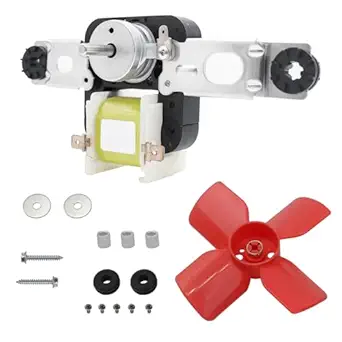
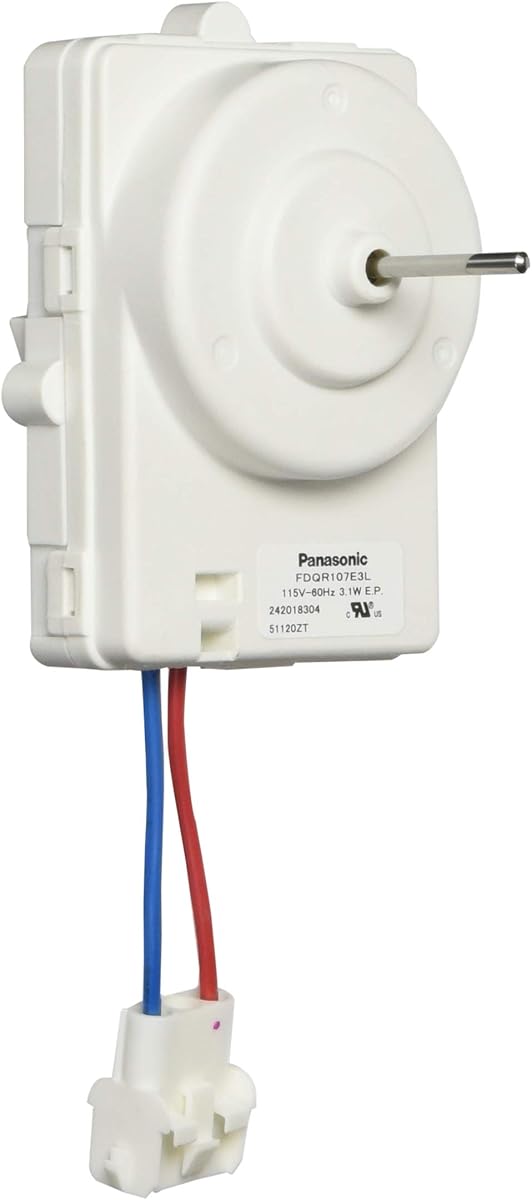
When your refrigerator's condenser fan motor fails, selecting the correct replacement is critical for maintaining proper cooling and compressor function. This specific motor-condenser fan unit requires matching your appliance's voltage (typically 115V), rotation direction, and mounting configuration to ensure compatibility and prevent compressor damage from inadequate airflow.
Key Considerations Before Buying
- Verify your refrigerator's exact model number and cross-reference with manufacturer specifications, as condenser fan motors vary significantly between brands like Whirlpool, GE, and Frigidaire.
- Check the motor's rotation direction (clockwise or counterclockwise) and shaft length, as incorrect orientation will disrupt the crucial airflow needed across the condenser coils.
- Assess whether you need a direct OEM replacement or a universal motor, noting that universal units often require wiring modifications that may void warranties.
What Our Analysts Recommend
Quality condenser fan motors feature sealed ball bearings rather than sleeve bearings for longer lifespan in humid environments. Look for motors with proper UL/CSA certification and adequate CFM (cubic feet per minute) ratings matching your refrigerator's BTU capacity—typically 200-300 CFM for residential units.
Motors Market Context
Market Overview
The aftermarket refrigerator motor market is fragmented, with OEM parts commanding premium prices while third-party manufacturers offer cost-effective alternatives with varying reliability. Recent supply chain issues have increased lead times for specific models, making universal-fit motors more appealing despite installation complexities.
Common Issues
Premature motor failure often stems from dust accumulation on fan blades causing imbalance, or moisture ingress corroding bearings in humid refrigerator compartments. Many users incorrectly diagnose cooling problems as compressor issues when the actual culprit is a failing condenser fan motor not dissipating heat properly.
Quality Indicators
Superior motors use thermally protected windings that automatically reset after overheating, and feature corrosion-resistant housings specifically designed for refrigerator environments. Check for precise blade balance specifications—unbalanced blades cause vibration that accelerates bearing wear and generates audible humming.
Review Authenticity Insights
Grade B Interpretation
The Grade B authenticity rating with 10% estimated fake reviews indicates predominantly genuine feedback with minimal manipulation. This suggests the 4.2 adjusted rating reliably reflects actual customer experiences, though shoppers should remain cautious of outlier reviews praising the product as a 'universal fix' without model specifics.
Trust Recommendation
Focus on reviews mentioning specific refrigerator models (like 'Kenmore 795.72083.112') and installation details, as these demonstrate authentic replacement scenarios. The slight rating drop from 4.44 to 4.20 after fake review filtering suggests the product performs slightly below its initial apparent rating.
Tips for Reading Reviews
Prioritize reviews discussing installation challenges, noise levels after replacement, and long-term performance over 6+ months. Be skeptical of reviews claiming 'fits all models' without modification, as condenser fan motors rarely offer true universal compatibility without wiring or mounting adjustments.
Expert Perspective
With an adjusted 4.2/5 rating from verified authentic reviews, this motor-condenser fan appears to be a reliable aftermarket option for those matching exact specifications. The high percentage of genuine reviews containing specific installation narratives suggests most purchasers successfully replaced their failing units. However, the 0.24-point rating adjustment indicates some review inflation exists, tempering expectations slightly from the surface-level 4.44 rating.
Purchase Considerations
Weigh the cost savings against potential installation complexities—third-party motors like this typically cost 40-60% less than OEM parts but may require additional mounting brackets or wiring harnesses. Consider whether your refrigerator is near end-of-life; investing in an OEM motor might not be economical for older units.
Comparing Alternatives
Always compare shaft dimensions, voltage requirements, and rotation specifications against at least two competing models before purchasing.