
Choosing a 10,000 Lux Therapy Lamp: Brightness, Timing, and Placement Flexibility
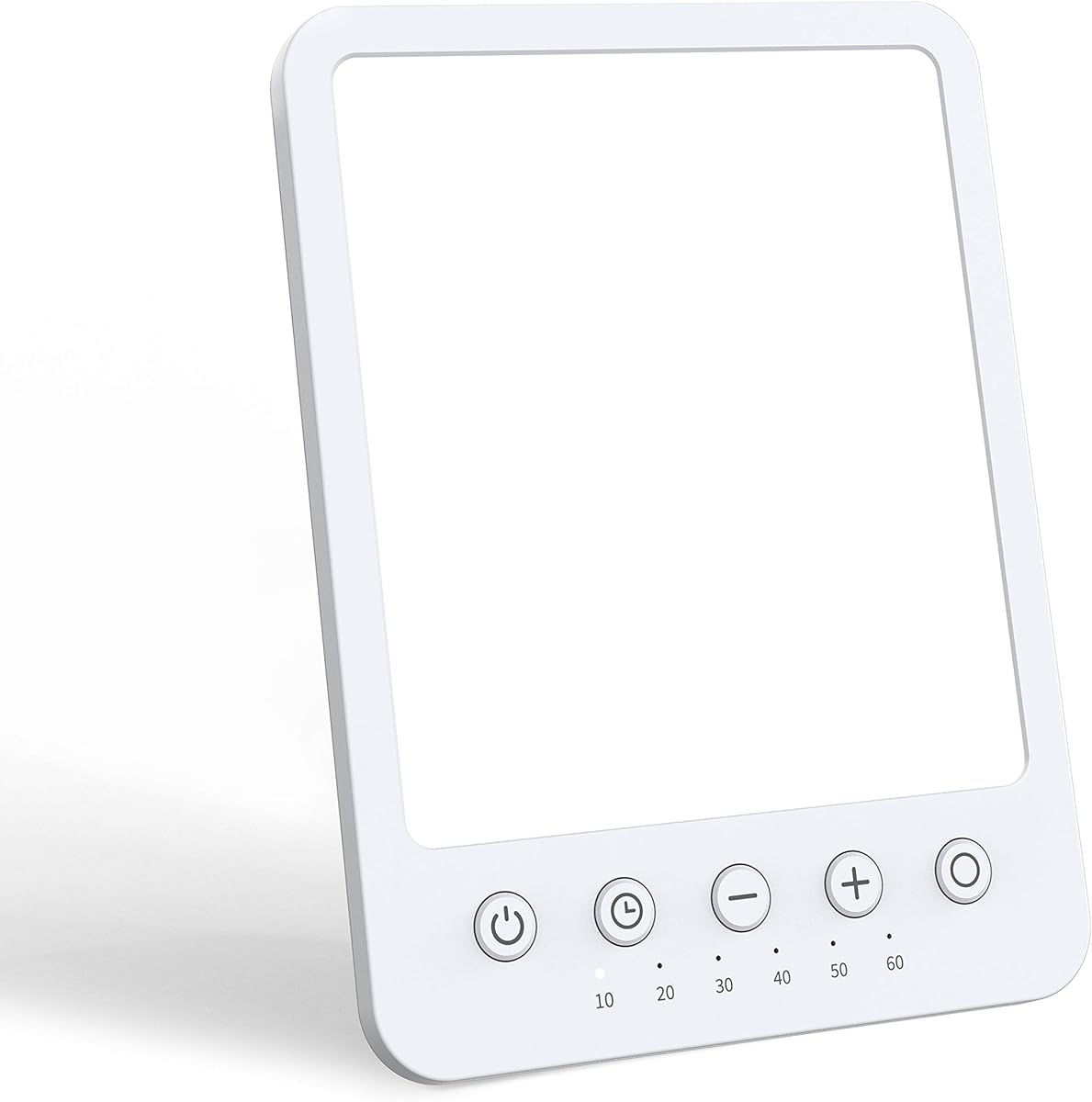
When selecting a light therapy device like the Magicteam Sun Lamp, focus on three core features: clinically effective brightness, customizable timing, and versatile positioning. This specific model offers 10 adjustable brightness levels, 7 timer settings with memory function, and two flexible placement options that distinguish it from basic single-setting lamps.
Key Considerations Before Buying
- Verify the 10,000 lux intensity is measured at the recommended distance (typically 12-18 inches) for effective Seasonal Affective Disorder (SAD) treatment, not just a peak specification.
- Assess whether the 10 brightness levels and 7 timer options (including 15, 30, 45, 60-minute increments) match your daily routine needs, particularly for morning use sessions.
- Evaluate the two flexible placement mechanisms—likely a tilting head and adjustable stand—to ensure the lamp can be positioned at proper eye level without glare during computer work or reading.
What Our Analysts Recommend
Quality light therapy lamps feature flicker-free LED technology with consistent color temperature (5000K daylight white is standard) and UV-free emission. The Magicteam's memory function that recalls your last brightness/timer combination indicates thoughtful user-centered design beyond basic functionality.
Light Therapy Market Context
Market Overview
The light therapy market has expanded from medical-grade SAD devices to consumer wellness products, with 10,000 lux remaining the clinical standard for effectiveness. LED technology has enabled compact designs like this Magicteam model that compete with traditional fluorescent-based units.
Common Issues
Many budget lamps fail to deliver true 10,000 lux at practical distances or lack proper brightness verification. Users frequently report inconsistent light distribution, insufficient coverage area, and poorly designed timers that require resetting each use.
Quality Indicators
Look for lamps with independent lux verification, multiple brightness settings for gradual adjustment, and memory functions that maintain user preferences. The inclusion of both warm and white light modes (as this Magicteam offers) suggests attention to user comfort beyond minimum specifications.
Review Authenticity Insights
Grade B Interpretation
A Grade B authenticity rating with 10% estimated fake reviews indicates generally reliable feedback with moderate scrutiny needed. The adjusted 4.40/5 rating (from 4.67/5) suggests some review inflation but still reflects genuine satisfaction.
Trust Recommendation
Focus on verified purchase reviews that mention specific use cases like morning routines or computer work positioning. The one potentially manipulated review in the sample likely overemphasizes vague benefits rather than functional features like the 7-timer flexibility.
Tips for Reading Reviews
Prioritize reviews discussing the 10 brightness levels' practicality, the memory function's convenience, and the dual placement options' stability. Be skeptical of reviews that don't mention actual usage patterns or compare features against other therapy lamps.
Expert Perspective
The Magicteam Therapy Sun Lamp presents a strong feature set for its category, particularly the combination of clinical-grade 10,000 lux brightness with user-friendly customization. The 4.40 adjusted rating from verified purchases suggests reliable performance, though the 10% fake review rate warrants careful feature verification. The memory function and flexible placement address common complaints about therapy lamps requiring daily reconfiguration.
Purchase Considerations
Consider this model if you need adjustable intensity for different times of day or sensitivity levels, and value the convenience of preset timers. The white/warm light option provides versatility, but ensure the lamp's size and placement mechanisms work with your intended setup space.
Comparing Alternatives
Compare the Magicteam's 7-timer system and dual placement against competitors' timing options and adjustability, particularly for desktop versus floor use scenarios.


