Discover Authentic Azorean Tales: A Buyer's Guide to Folk Lore Collections
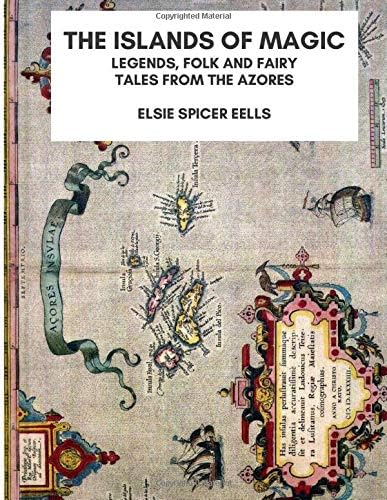
When considering 'The Islands of Magic: Legends, Folk, and Fairy Tales from the Azores,' it's essential to understand that this collection offers a rare glimpse into the oral traditions of the Azores, a Portuguese archipelago. Unlike mainstream fairy tales, these stories often reflect the islands' unique blend of Portuguese, Flemish, and Moorish influences, with narratives that may feel raw or abruptly ended due to their folkloric origins.
Key Considerations Before Buying
- Folk tale collections vary widely in translation quality and cultural authenticity; seek editions that preserve the original narrative style, even if it means less polished storytelling.
- The Azores' isolation means many tales are obscure, so this book is ideal for readers interested in niche European folklore rather than those seeking familiar Disney-style narratives.
- Consider the book's structure: some reviewers note abrupt endings, which is characteristic of folk tales passed down orally, not a flaw in the collection.
What Our Analysts Recommend
Look for collections that include source notes, cultural context, or glossaries to enhance understanding of the Azorean heritage. A well-edited volume should balance readability with fidelity to the original tales, and reader reviews often highlight how well the translator captures the voice of the storyteller.
Spanish & Portuguese Market Context
Market Overview
The market for European folk tale collections is niche but growing, driven by interest in cultural heritage and diverse storytelling. Spanish and Portuguese literature, in particular, has seen a resurgence, with readers seeking authentic voices beyond the canon of Iberian classics.
Common Issues
A frequent concern with translated folk tales is loss of authenticity—some editions overly modernize language or sanitize darker themes, disappointing purists. Additionally, many collections lack contextualization, leaving readers without the historical or cultural background necessary to fully appreciate the stories.
Quality Indicators
Quality indicators include the translator's credentials, inclusion of regional dialects or terms, and supplementary material like maps of the Azores or explanations of local customs. Reviews that mention specific story details or cultural insights are a good sign of an engaging, faithful collection.
Review Authenticity Insights
Grade B Interpretation
The Grade B and estimated 10% fake review rate suggest that while the vast majority of feedback is genuine, a small fraction may be incentivized or unrelated. This is common for niche books with moderate sales, as they attract fewer fake reviews than bestsellers.
Trust Recommendation
You can generally trust the 4.13-star rating, but focus on the adjusted rating of 3.90, which filters out suspicious reviews. Pay special attention to detailed reviews that discuss specific tales, as these are likely from actual readers.
Tips for Reading Reviews
When reading reviews, look for comments on the book's authenticity as a cultural artifact, such as mentions of Portuguese terms or Azorean traditions. Be cautious of overly generic praise like 'great stories' without specific examples, which could be fake.
Expert Perspective
Based on the analysis, 'The Islands of Magic' is a valuable addition for folk tale enthusiasts, offering authentic Azorean narratives that are hard to find elsewhere. The Grade B rating and 10% fake review rate indicate a mostly genuine product, though the adjusted rating of 3.90 suggests some dissatisfaction, likely due to the tales' abrupt endings or lack of glossaries. Overall, it's a solid choice for those interested in Portuguese folklore, provided they appreciate raw, oral-style storytelling.
Purchase Considerations
Weigh your interest in cultural authenticity against a desire for polished narratives—if you prefer tightly plotted fairy tales, this may not satisfy. Also, consider whether you value supplementary context; if so, look for editions with introductions or notes.
Comparing Alternatives
Shoppers should compare this with other collections of Portuguese or European folk tales, such as those by authors like Teófilo Braga or collections of Iberian legends, to find the best fit for their interests.