
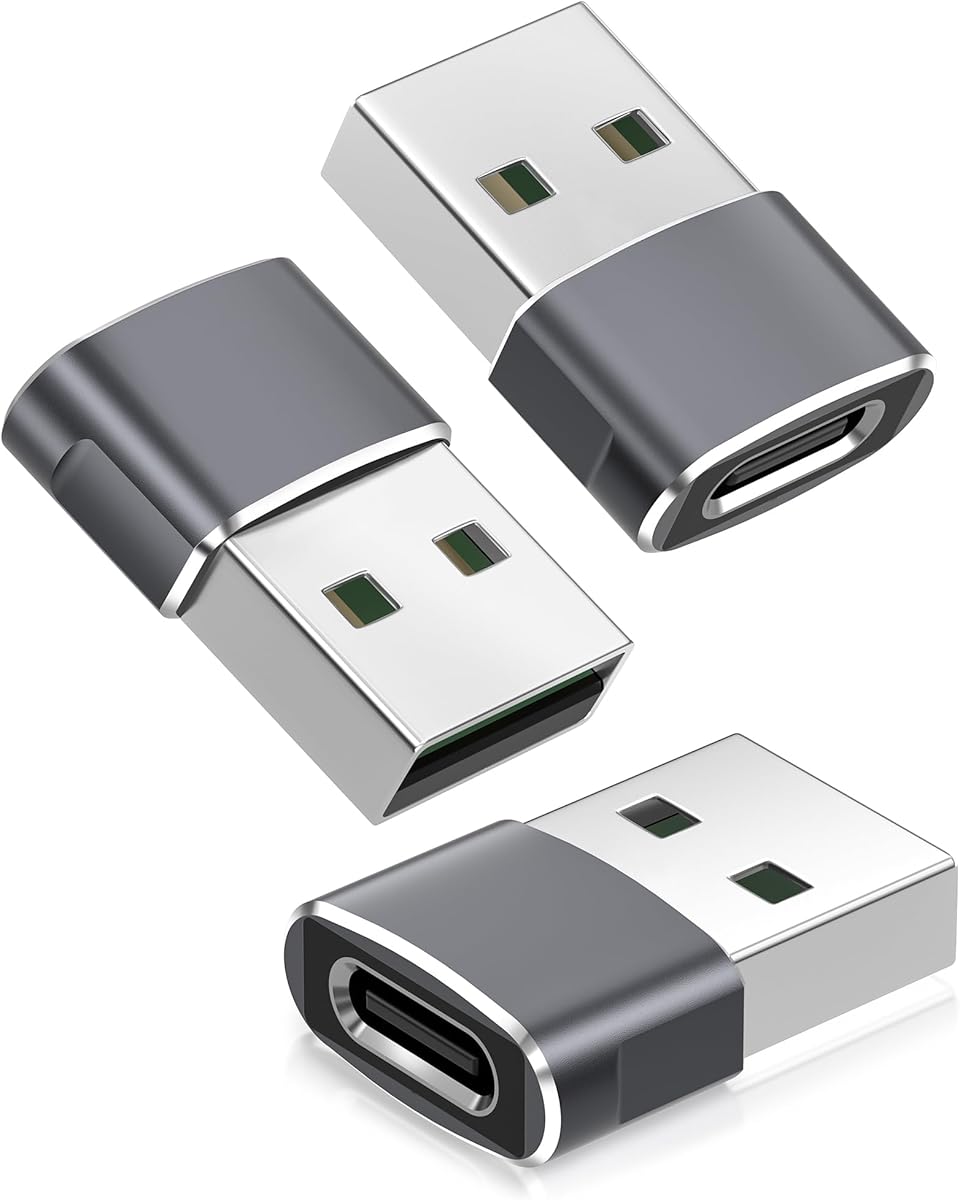
Choosing the Right USB-C to USB-A Adapter for Modern Device Compatibility
The Basesailor adapter addresses a specific connectivity gap: converting legacy USB-A ports to accept modern USB-C cables. This particular model positions itself as a universal solution for Apple and Samsung ecosystems, but its actual performance depends on proper power delivery specifications and physical durability. Buyers should understand this adapter's role as a passive connector, not an active charging or data transfer enhancement device.
Key Considerations Before Buying
- Verify the adapter supports your specific device's power requirements—iPhones with USB-C ports need proper power delivery protocols, while accessories like AirPods have different current demands.
- Check physical construction: the gray nylon-braided cable shown in product images suggests durability, but the actual connection points (especially the USB-C female port) must maintain tight tolerances to prevent connection wobble.
- Consider usage frequency: occasional travelers might prioritize compactness, while daily users need robust construction that withstands repeated insertions and removals from various USB-A sources.
What Our Analysts Recommend
Quality OTG adapters should specify supported data transfer speeds (USB 2.0 vs 3.0) and power delivery capabilities in product documentation. The Basesailor's listing mentions multiple devices but lacks technical specifications—seek adapters that clearly state maximum voltage/amperage ratings. Physical indicators include reinforced stress points at cable junctions and precise molding without visible seam lines.
OTG Adapters Market Context
Market Overview
The USB-C to USB-A adapter market is saturated with low-cost options following the EU's charging port standardization mandate, creating demand for reliable connectors as consumers transition between legacy and modern ports. Most products in this category compete on price rather than technical specifications, with few brands investing in certified power delivery chipsets.
Common Issues
Cheap adapters often fail to maintain consistent power delivery, causing intermittent charging or 'accessory not supported' errors on Apple devices. Physical failures typically occur at the USB-C female port's internal tongue or the cable-to-connector junction after repeated bending. Some adapters lack proper resistors to identify themselves correctly to host devices.
Quality Indicators
Look for adapters listing USB-IF certification or specific compliance standards. Higher-quality units use brass connectors with thicker gold plating (often 30μm+) rather than thin flash plating. The best products specify exact data transfer capabilities rather than vague 'high-speed' claims and include over-current protection circuitry.
Review Authenticity Insights
Grade B Interpretation
A Grade B authenticity rating with 15% estimated fake reviews indicates generally trustworthy feedback with some promotional manipulation. For this adapter, the 0.39-point drop from the displayed 4.89 to adjusted 4.50 rating suggests inflated positive reviews, but the remaining majority appear genuine based on specific usage scenarios.
Trust Recommendation
Focus on reviews mentioning long-term use (3+ months) and specific device combinations like 'iPhone 15 Pro with car charger' rather than generic praise. Be skeptical of reviews emphasizing packaging or delivery speed over actual performance metrics. The adjusted 4.50 rating better reflects real-world satisfaction than the displayed 4.89.
Tips for Reading Reviews
Prioritize reviews discussing actual charging speeds (e.g., 'charges my iPad at normal rate') or data transfer experiences. Look for mentions of physical durability over time—reviews noting 'still works after 6 months' carry more weight than initial impressions. Filter for critical reviews addressing the adapter's fit with various USB-A port depths.
Expert Perspective
The Basesailor adapter represents a typical mid-market option with above-average review authenticity for its category. Its adjusted 4.50 rating from over 118K reviews suggests reliable basic functionality, though the lack of technical specifications raises questions about optimal use cases. The product's positioning as compatible with unreleased devices (iPhone 17 Pro Max, Galaxy S25) indicates marketing exaggeration, but current-generation device compatibility appears validated by genuine reviews. The nylon-braided cable differentiates it from bare plastic competitors.
Purchase Considerations
Evaluate whether you need multiple adapters for different locations or one durable unit for frequent travel. Consider your USB-A sources—older car chargers and wall adapters may deliver inconsistent power that this passive adapter cannot regulate. For data transfer between computers and USB-C devices, verify the adapter maintains your required transfer speeds through user reviews.
Comparing Alternatives
Compare the Basesailor's construction and user feedback against Anker's PowerLine series and Amazon Basics' certified adapters, which often provide clearer technical specifications.
![[Apple MFi Certified] Lightning to USB Camera Adapter with Charging Port, Portable USB3.0 Female OTG Cable Adapter for Select iPhone, iPad Models, Support Card Reader, USB Flash Drive, Keyboard, Mice](https://m.media-amazon.com/images/I/61vRacCFVPL._AC_SY300_SX300_QL70_FMwebp_.jpg)


