Choosing an 8-inch dual-grit diamond plate: What sharpening enthusiasts need to know
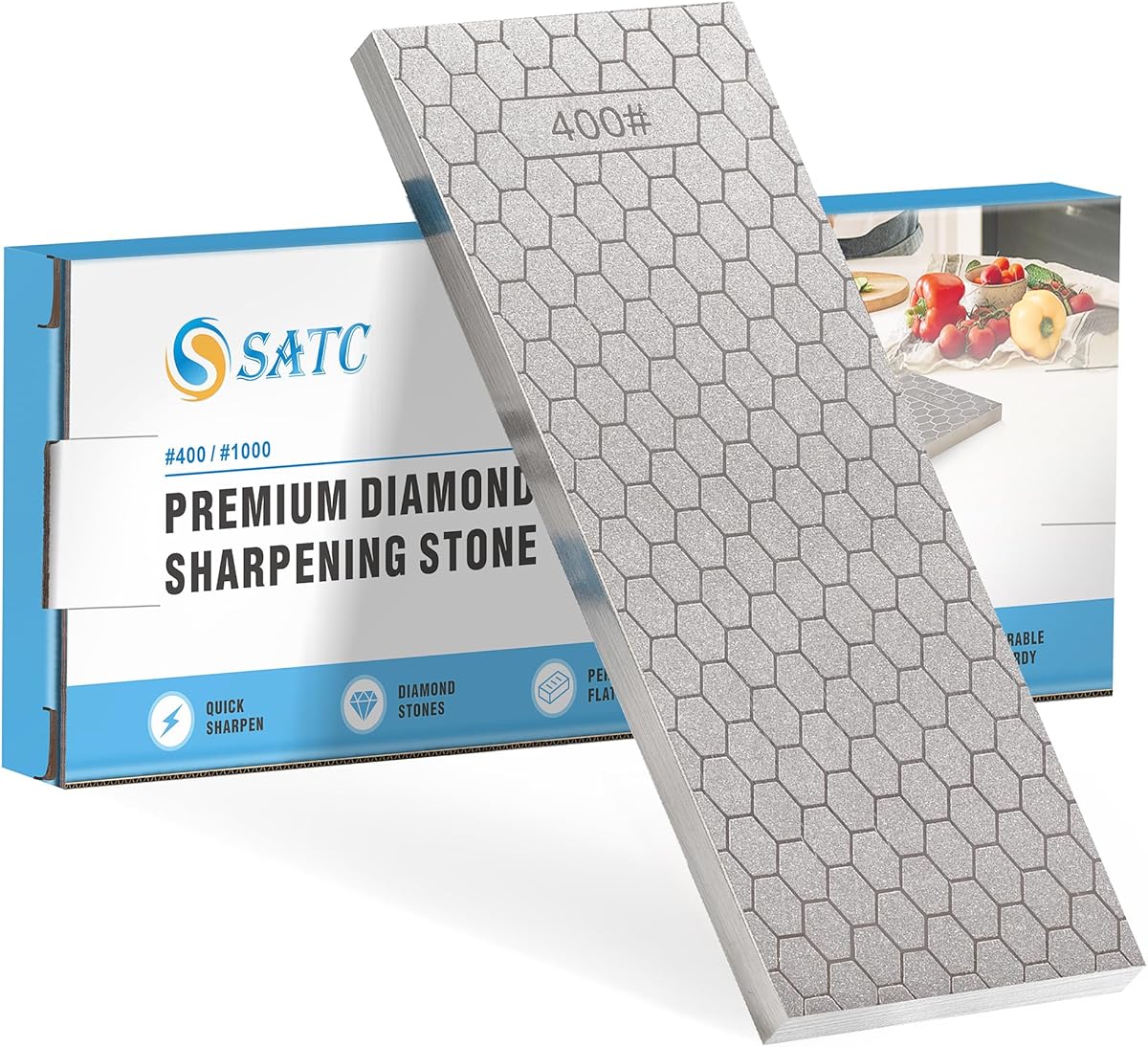
The S SATC diamond sharpening stone offers a 400/1000 grit combination on an 8-inch plate, making it suitable for both aggressive edge repair and finer honing. Buyers should understand that diamond plates differ significantly from traditional waterstones or oilstones in maintenance requirements and cutting speed. This specific white-colored plate indicates a nickel-plated diamond surface, which affects both visibility and potential corrosion resistance.
Key Considerations Before Buying
- The 400/1000 grit combination serves two distinct purposes: the 400 side removes material quickly for damaged edges, while the 1000 side provides a working edge suitable for most kitchen and workshop tools.
- An 8-inch length provides adequate surface area for most knives and tools, but may be challenging for longer blades like chef's knives or machetes that require full-length strokes.
- Diamond plates require no soaking or flattening like waterstones, but the nickel plating can wear over time, potentially reducing cutting efficiency after extensive use.
What Our Analysts Recommend
Quality diamond plates maintain consistent diamond particle distribution across the entire surface—check reviews mentioning uneven wear patterns. The substrate material should be rigid enough to prevent flexing under pressure, which is particularly important with 8-inch plates that have more surface area. Look for mentions of the plate remaining flat after months of use, as warping indicates inferior manufacturing.
Sharpening Stones Market Context
Market Overview
The diamond sharpening plate market has expanded significantly with Chinese manufacturers like S SATC offering affordable alternatives to premium brands like DMT or Atoma. These budget-friendly options typically use electroplated rather than sintered diamond particles, affecting long-term durability. The 400/1000 grit combination has become particularly popular as it covers both repair and refinement needs without requiring additional stones.
Common Issues
Budget diamond plates often suffer from inconsistent grit application, with some areas cutting faster than others, creating uneven wear patterns. The nickel plating can chip or peel if subjected to lateral pressure during sharpening. Many users report that the adhesive backing fails over time, causing the diamond surface to separate from the aluminum substrate.
Quality Indicators
Premium diamond plates use monocrystalline diamonds rather than polycrystalline particles, which maintain sharper edges longer. Look for plates with diamond particles bonded through sintering rather than simple electroplating for enhanced durability. Quality manufacturers chamfer the edges to prevent accidental cuts and include non-slip bases or rubber feet for stability during use.
Review Authenticity Insights
Grade C Interpretation
The Grade C authenticity rating and 22% estimated fake reviews suggest approximately one in five reviews may be inauthentic, though the 4.40 adjusted rating remains strong. This indicates the product likely performs well but may have received some artificially boosted positive feedback. The high number of verified purchases (2121 reviews) provides some counterbalance to the authenticity concerns.
Trust Recommendation
Focus on reviews that mention specific usage scenarios like sharpening particular tool types (chisels, plane irons, kitchen knives) rather than generic praise. Pay particular attention to reviews discussing long-term performance over months of use, as these are less likely to be fabricated. The 4.40 adjusted rating is more reliable than the displayed 4.89 rating for decision-making.
Tips for Reading Reviews
Look for reviews that mention the plate's flatness over time, as this is a common failure point for budget diamond stones. Reviews discussing the actual feel of the 400 versus 1000 grit sides provide more actionable information than star ratings alone. Be skeptical of reviews that don't mention any drawbacks, as even premium sharpening stones have trade-offs.
Expert Perspective
The S SATC diamond plate represents solid value in the budget sharpening category, with its 4.40 adjusted rating suggesting genuine satisfaction among most users. The 8-inch length and dual-grit configuration make it versatile for various sharpening tasks, though serious woodworkers may eventually want finer grits for polishing. The significant gap between the displayed 4.89 and adjusted 4.40 ratings indicates some review manipulation, but the product appears to deliver adequate performance for its price point. Diamond plates of this type typically offer faster cutting than waterstones but produce a different scratch pattern that some purists dislike.
Purchase Considerations
Consider whether you need the speed of diamond abrasives versus the polish achievable with waterstones, as the 1000-grit side produces a relatively coarse edge finish. The white surface helps with visibility but shows swarf buildup more readily than darker plates. If you primarily sharpen tools with flat backs (chisels, plane irons), ensure you have a method to keep the plate perfectly flat, as any convexity will transfer to your tools.
Comparing Alternatives
Shoppers should compare this plate with similar offerings from Sharp Pebble, Whetstone Cutlery, or KUROMAKU, paying particular attention to substrate thickness and edge treatment.