

Native 1080P Mini Projector: What to Know Before You Buy
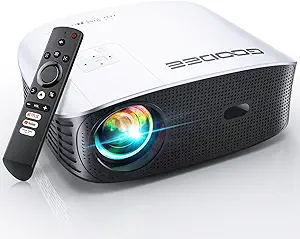
A native 1080P mini projector with Bluetooth and Type-C wired mirroring promises big-screen Netflix without a bulky home-theater setup. But in this budget category, the gap between advertised specs and real-world performance is wide, so understanding the fine print matters more than the spec sheet.
Key Considerations Before Buying
- Native vs. supported resolution: This unit claims native 1080P, which means the panel itself renders 1920x1080 rather than upscaling a lower-resolution chip. Confirm this distinction, because many rivals advertise '1080P support' while using a 720P or 480P native panel that looks soft up close.
- Brightness in ANSI lumens: Mini projectors rarely publish honest brightness figures, and a dim image washes out the moment any ambient light enters the room. Look for reviewers who describe daytime versus darkened-room performance rather than trusting inflated lumen marketing claims.
- Wired vs. wireless mirroring: The Type-C wired mirroring here is a deliberate design choice—it avoids the lag and HDCP handshake failures that plague cheap wireless casting. If you plan to stream Netflix, verify your phone or laptop supports Type-C video output, since not all USB-C ports carry a display signal.
What Our Analysts Recommend
Prioritize listings that disclose native resolution, throw ratio, and realistic brightness rather than vague '4K supported' language. A genuine native 1080P panel, a real HDMI input, and a cooling fan that stays quiet during dialogue are the markers of a mini projector worth owning. Also check whether the projector supports HDCP-compliant input, since protected streaming content may otherwise fail to display.
Video Projectors Market Context
Market Overview
The budget mini projector market has exploded as cord-cutters look for affordable big-screen alternatives, with hundreds of near-identical units flooding Amazon under rotating brand names. Native 1080P panels have finally trickled down to the sub-$150 range, making this a genuinely competitive segment—but also one where quality varies wildly between production runs.
Common Issues
Buyers frequently report overstated brightness, audible fan noise during quiet scenes, and focus that drifts at the corners of the image. Wireless mirroring is another recurring pain point, which is likely why this model emphasizes wired Type-C connectivity. Keystone correction that only works vertically and short lamp life are other common complaints in this tier.
Quality Indicators
A trustworthy mini projector listing names its native resolution, cites ANSI lumens rather than 'peak' brightness, and specifies the throw distance for a given screen size. Build quality shows in the cooling design, lens material, and whether the manufacturer offers a real warranty. Responsive customer service and a stable firmware update history are strong signals of a legitimate brand.
Review Authenticity Insights
Grade C Interpretation
A Grade C authenticity rating with an estimated 25% fake review rate means roughly one in four reviews may be incentivized or fabricated, which is typical for high-volume budget electronics. The adjusted rating of 4.10/5 versus the raw 4.67/5 suggests genuine buyers are noticeably less enthusiastic than the headline score implies. Still, the majority of reviews appear authentic, with detailed accounts of setup and family movie nights.
Trust Recommendation
Treat the 4.67 rating as inflated and anchor your expectations closer to 4.10. Read the three-star reviews first, since they tend to describe real tradeoffs like brightness limits and fan noise that five-star reviews gloss over. If a review reads like a spec sheet or repeats marketing phrases verbatim, skip it.
Tips for Reading Reviews
Look for reviews that mention specific use cases—screen size, room darkness, connected devices—because those details are hard to fake. Be wary of clusters of five-star reviews posted within days of each other, a classic sign of a review campaign. Verified purchase badges and reviewer history add credibility, but even those can be gamed in this category.
Expert Perspective
This mini projector sits in the crowded value tier where native 1080P, Bluetooth audio, and wired Type-C mirroring are the headline draws. The 10,270 reviews signal a popular, well-tested product, but the C-grade authenticity and 25% fake rate mean the true satisfaction level is closer to the adjusted 4.10. For buyers who understand its limits—dim rooms, wired connections, modest brightness—it can deliver a satisfying Netflix experience at a fraction of a TV's cost.
Purchase Considerations
Weigh whether wired Type-C mirroring fits your devices, since this is a strength for latency but a constraint for convenience. Factor in the cost of a decent external speaker and a projection screen or dark wall, which meaningfully improve the experience. If you need daytime viewing or true portability, this class of projector will likely disappoint.
Comparing Alternatives
Compare this model against similarly priced native 1080P mini projectors from established budget brands before committing, paying close attention to brightness claims and warranty terms.
![CLOKOWE Mini Projector with WiFi and Bluetooth - [Built-in Apps] Smart Portable Projector with 180° Rotation, Auto Keystone, Support 1080P, Compatible with HDMI/USB/TV Stick/Smartphone/Laptop](https://m.media-amazon.com/images/I/71aHwv3EZ0L.__AC_SX300_SY300_QL70_FMwebp_.jpg)


