
Choosing a manual fuel transfer pump: durability, flow rate, and hose quality matter most
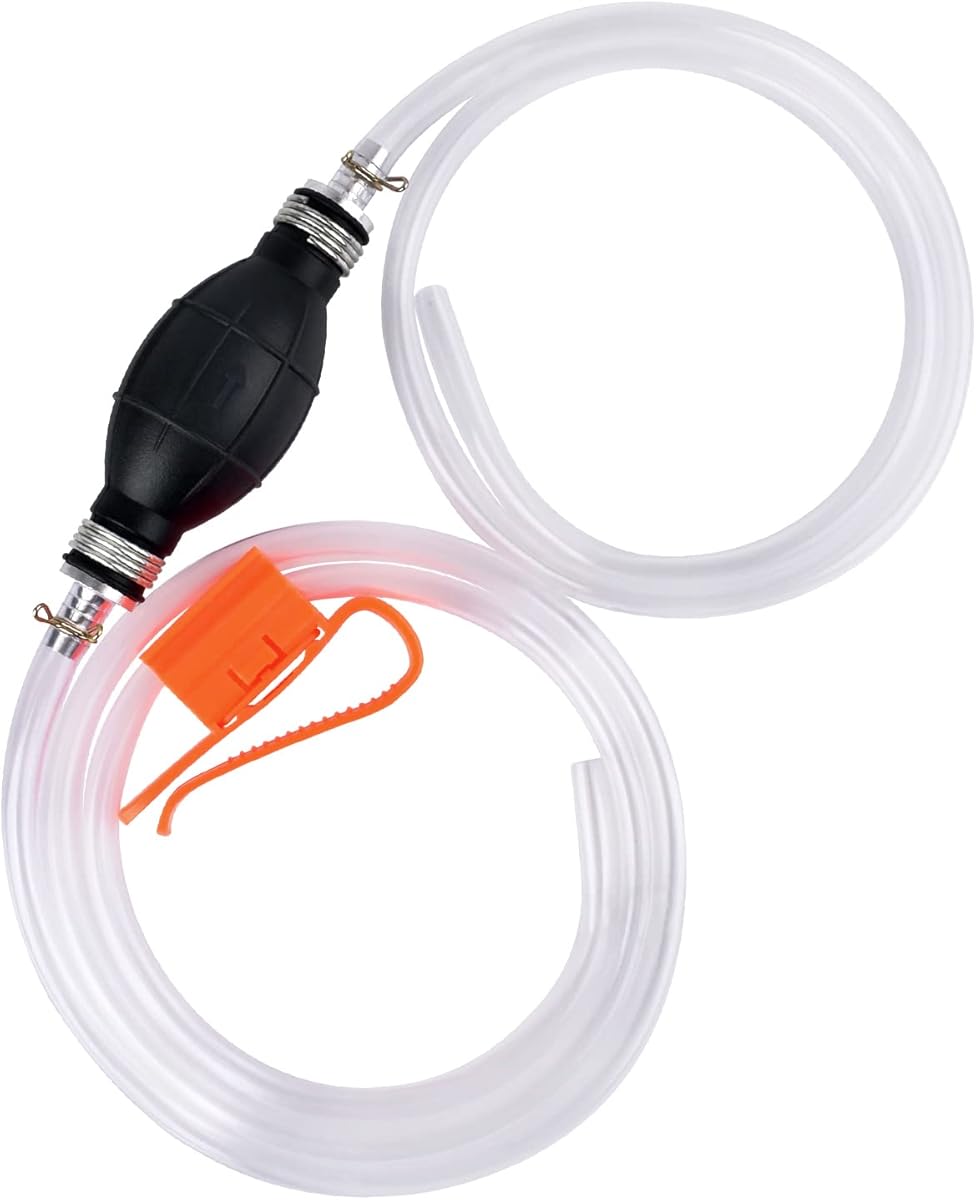
When selecting a manual siphon pump like the KATUMO Gasoline Siphon Hose, focus on its specific PVC hose durability and priming mechanism. This particular model includes two hoses and claims wide compatibility with gasoline, oil, and water, which affects material selection and safety considerations.
Key Considerations Before Buying
- Check the priming mechanism efficiency—manual pumps require reliable suction initiation without mouth siphoning for safety.
- Evaluate hose material compatibility with your specific fuels; PVC hoses like those included must resist degradation from gasoline additives.
- Consider flow rate needs versus pumping effort; hand-operated pumps vary significantly in resistance and output volume.
What Our Analysts Recommend
Quality indicators include reinforced hose ends that resist kinking at the pump connection and clear priming bulb visibility to monitor fuel flow. Look for pumps with check valves that prevent backflow, reducing restart effort during transfers.
Hand Fuel Pumps Market Context
Market Overview
The manual fuel pump market is crowded with inexpensive imported options, creating significant quality variation despite similar appearances. Products like the KATUMO compete primarily on hose durability and priming reliability rather than advanced features.
Common Issues
Frequent complaints involve hose cracking from fuel exposure, difficult priming requiring multiple attempts, and plastic components breaking under moderate pressure. Leakage at connection points is another recurring problem across budget models.
Quality Indicators
Superior manual pumps feature thicker-walled PVC hoses with fuel-resistant formulations, smooth-action check balls in the pumping mechanism, and reinforced inlet/outlet collars. The inclusion of multiple hose lengths often indicates better versatility for different container heights.
Review Authenticity Insights
Grade B Interpretation
A Grade B authenticity rating with 15% estimated fake reviews suggests generally trustworthy feedback but warrants scrutiny of extreme ratings. The 0.32-point drop from the displayed 4.22 to adjusted 3.90 rating indicates some review inflation affecting the overall score.
Trust Recommendation
Focus on verified purchase reviews discussing specific use cases like transferring gasoline from cans to equipment or diesel from barrels. The healthy mix of ratings (including 1-star reviews) suggests authentic user experiences rather than filtered feedback.
Tips for Reading Reviews
Prioritize reviews mentioning long-term durability (6+ months of use) and specific fuel types transferred. Be skeptical of reviews lacking transfer volume details or those claiming perfection without acknowledging the physical effort manual pumping requires.
Expert Perspective
The KATUMO pump's 3.90 adjusted rating from 7,036 reviews indicates generally satisfactory performance with expected compromises at this price point. The inclusion of two PVC hoses provides immediate utility, but long-term durability depends on hose fuel resistance quality. The verified purchase status of reviews strengthens reliability, though the authenticity grade suggests moderate review manipulation exists.
Purchase Considerations
Weigh the convenience of included accessories against potential hose replacement costs if PVC degrades. Consider your transfer frequency—occasional users may find this adequate, while frequent users might need more robust construction. The pump's wide compatibility claim requires verifying hose material suitability for your specific fuels.
Comparing Alternatives
Compare hose wall thickness and priming mechanism design with similar-priced pumps, as these elements most affect real-world performance.


