
Choosing the Right Finger Cots: Protection, Dexterity, and Anti-Static Properties
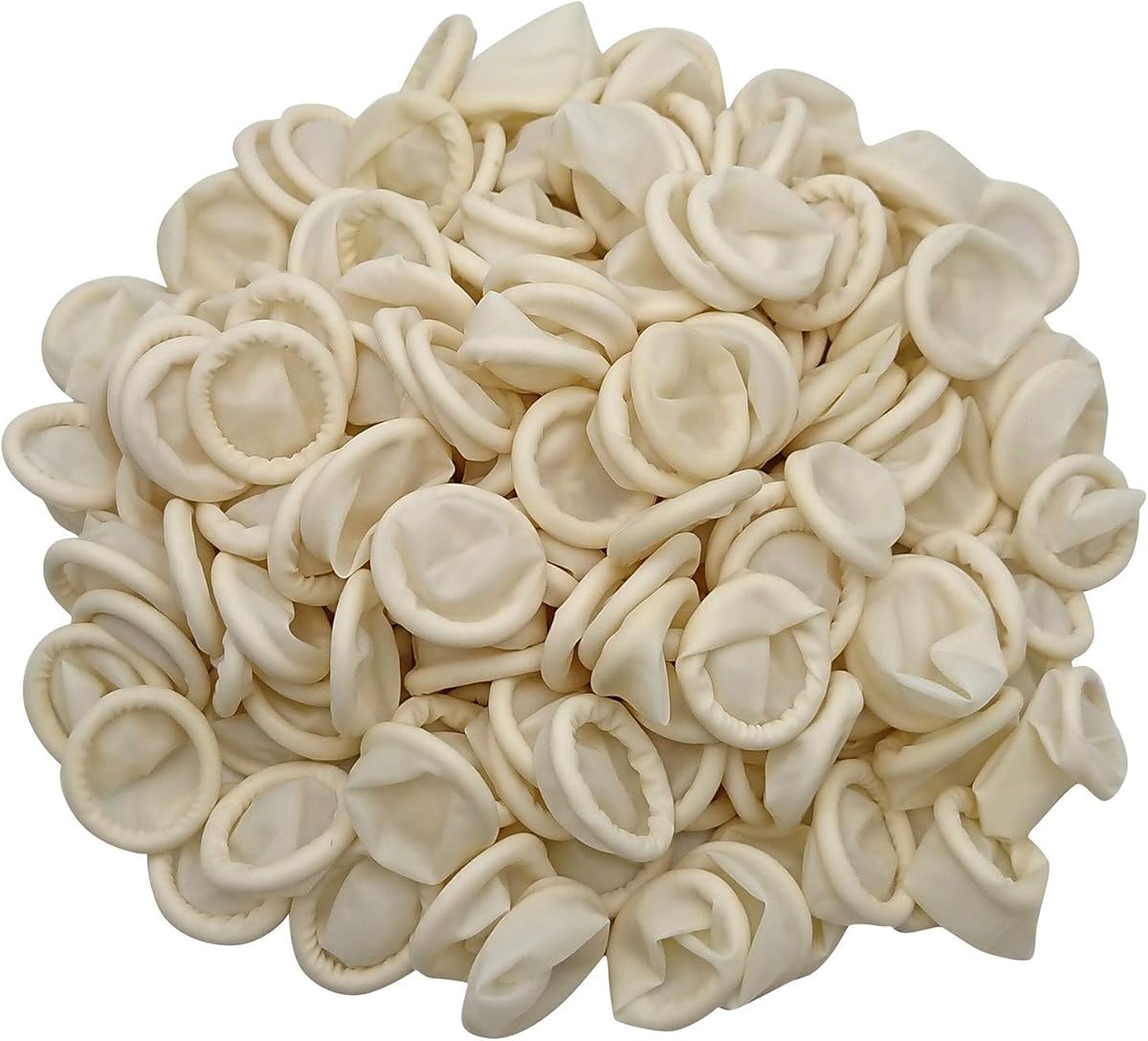
When selecting disposable latex finger cots for electronic repair or industrial applications, buyers should prioritize products that balance protection with tactile sensitivity. These specific 222-piece finger cots claim anti-static properties and a 'large' size designation, which requires verification against actual finger dimensions and static dissipation needs.
Key Considerations Before Buying
- Verify the 'large' sizing fits your specific finger circumference—these cots must stay secure without rolling down during delicate electronic component handling.
- Confirm anti-static claims are suitable for your application level; basic ESD protection differs from certified static-dissipative requirements for sensitive microelectronics.
- Assess latex thickness for your use case: thinner cots offer better dexterity for intricate repair work but may compromise durability for industrial applications.
What Our Analysts Recommend
Quality finger cots should exhibit consistent latex thickness without weak spots or pinholes that compromise protection. The rolled rim should be smooth and even to prevent tearing during application, and the powder-free finish should be verified if working with optics or clean surfaces where residue matters.
Finger Cots Market Context
Market Overview
The finger cot market has expanded beyond medical applications into electronics repair, crafting, and light industrial uses, creating varied quality tiers. Products now differentiate by material (latex vs. nitrile), static control properties, and sizing precision rather than just basic barrier protection.
Common Issues
Buyers frequently encounter sizing inconsistencies where 'large' varies significantly between brands, latex that tears easily during donning, and anti-static claims that lack verification or degrade with powder coatings. Powder residue can also contaminate electronic components despite providing easier application.
Quality Indicators
Look for manufacturers specifying latex thickness in mils (typically 3-5mil for balanced applications), clear sizing charts with circumference measurements, and anti-static testing references. Quality packaging should prevent cots from sticking together in humid environments.
Review Authenticity Insights
Grade B Interpretation
The Grade B authenticity rating with 11% estimated fake reviews indicates generally reliable feedback but suggests some review manipulation. The 0.27-point drop from the displayed 4.67 to adjusted 4.40 rating reveals inflated praise that overstates actual customer satisfaction.
Trust Recommendation
Focus on reviews mentioning specific applications like soldering, component handling, or crafting where users detail how the cots performed during actual tasks. Be skeptical of overly generic praise about 'great product' without context about thickness, sizing accuracy, or static protection effectiveness.
Tips for Reading Reviews
Prioritize reviews discussing durability during extended wear, powder residue observations, and comparisons to other brands' sizing. Reviews mentioning the 222-count packaging's practicality for frequent users provide more actionable insights than brief star ratings.
Expert Perspective
With 2,522 reviews maintaining a 4.40 adjusted rating, these finger cots demonstrate solid market acceptance, particularly for their value proposition of 222 pieces. The consistency of mentions across electronics repair, industrial, and handmade applications suggests versatility, though the 'large' designation requires individual verification. The anti-static claim appears sufficient for basic protection but may not meet formal ESD workstation requirements.
Purchase Considerations
Weigh the high quantity against potential latex degradation if stored long-term in non-climate-controlled environments. Consider whether the powder-free feature matters for your specific electronics work, as some users report minimal residue while others note tackiness requiring talc alternatives.
Comparing Alternatives
Shoppers should compare nitrile alternatives if latex allergies are a concern and verify sizing charts against competitors offering small/medium/large multipacks for mixed-user environments.


