
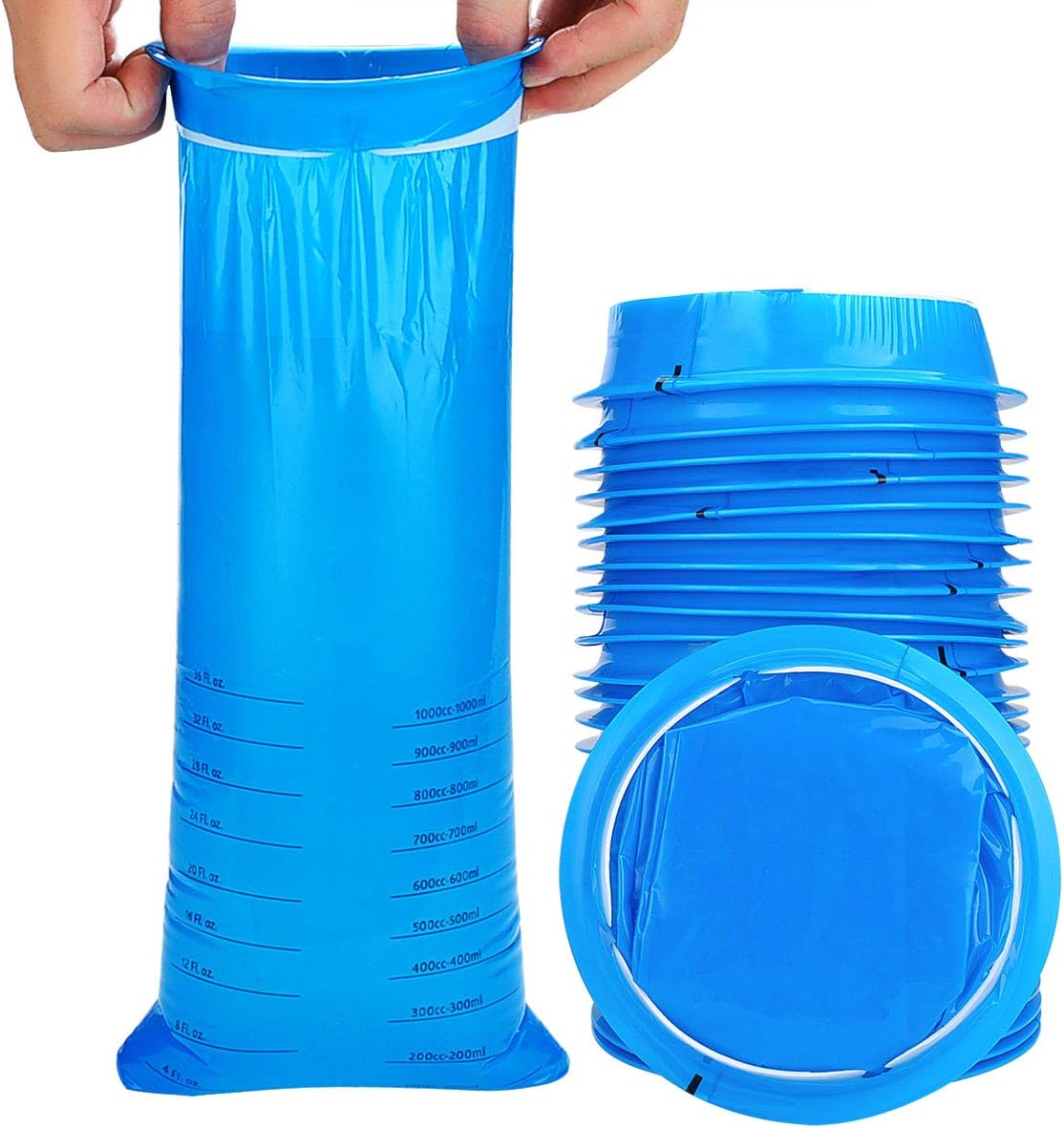
Choosing Hospital-Grade Emesis Bags: Capacity, Seal Integrity, and Disposal
When selecting emesis bags like the Valchoose 30-pack, buyers should prioritize hospital-grade construction that balances capacity with portability. The 1000ml volume is particularly relevant for extended travel situations where multiple uses or severe nausea might occur, making it distinct from smaller disposable alternatives.
Key Considerations Before Buying
- The 1000ml capacity is substantial—ideal for car trips or flights where disposal opportunities are limited, but consider whether this bulkier size suits quick-access needs during sudden motion sickness episodes.
- Hospital-grade certification indicates specific material standards for leak prevention and odor containment, crucial when bags may need to be sealed and carried temporarily before disposal.
- The 30-count pack represents a strategic purchase for frequent travelers or households managing chronic nausea, pregnancy, or medical treatments, offering better per-unit value than smaller packs.
What Our Analysts Recommend
Quality indicators include a rigid plastic opening ring that maintains shape during use, a secure twist-tie or adhesive closure system, and polyethylene material thick enough to prevent soak-through. The Valchoose bags specifically mention hospital-grade validation, which suggests testing for these failure points.
Reusable Grocery Bags Market Context
Market Overview
The emesis bag market has expanded beyond clinical settings into consumer travel and home care, with products now ranging from basic disposable bags to feature-rich options with absorbent polymers. This product sits in the premium consumer segment, borrowing hospital specifications for home and travel use.
Common Issues
Lower-quality bags suffer from thin material that leaks under pressure, weak seals that fail during closure, and inadequate opening rigidity that collapses during use. Some products also use materials with noticeable plastic odors that can exacerbate nausea.
Quality Indicators
Superior products demonstrate three-layer construction at minimum, mention ASTM or ISO standards, and feature a wide, firm opening rim. In the reusable grocery bag subcategory where this is listed, the emphasis should be on durable, multi-use storage of sealed bags until proper disposal.
Review Authenticity Insights
Grade B Interpretation
A Grade B with 11% estimated fake reviews indicates generally reliable feedback with moderate manipulation. For this product, it suggests most experiences are genuine but some positive reviews may be artificially boosted, particularly around durability claims.
Trust Recommendation
Focus on reviews discussing specific scenarios like long flights, chemotherapy side effects, or morning sickness management—these detailed accounts are less likely to be fabricated. Be slightly skeptical of reviews only praising packaging or delivery speed.
Tips for Reading Reviews
Look for reviewers who mention actual usage during motion sickness episodes, noting details like seal effectiveness after twisting or how the bag handled 30+ minutes of containment. Comparisons to airline-provided bags or hospital supplies add credibility.
Expert Perspective
The Valchoose bags present a compelling option based on their 4.30 adjusted rating from authentic reviews, suggesting real-world performance aligns with hospital-grade claims. The substantial 1000ml capacity addresses a common complaint in this category—inadequate volume for severe episodes—while the 30-pack offers practical value for regular users. The product's placement in reusable grocery bags is unusual but hints at its dual role for organized storage of unused bags and safe transport of sealed used ones.
Purchase Considerations
Consider your typical usage scenarios: the larger capacity benefits road trips or flights where disposal isn't immediate, but may be excessive for quick urban commutes. The hospital-grade designation matters most for odor containment and leak prevention during temporary storage.
Comparing Alternatives
Shoppers should compare thickness specifications, closure mechanisms, and whether competing products include absorbent powder, which this product doesn't mention.


