
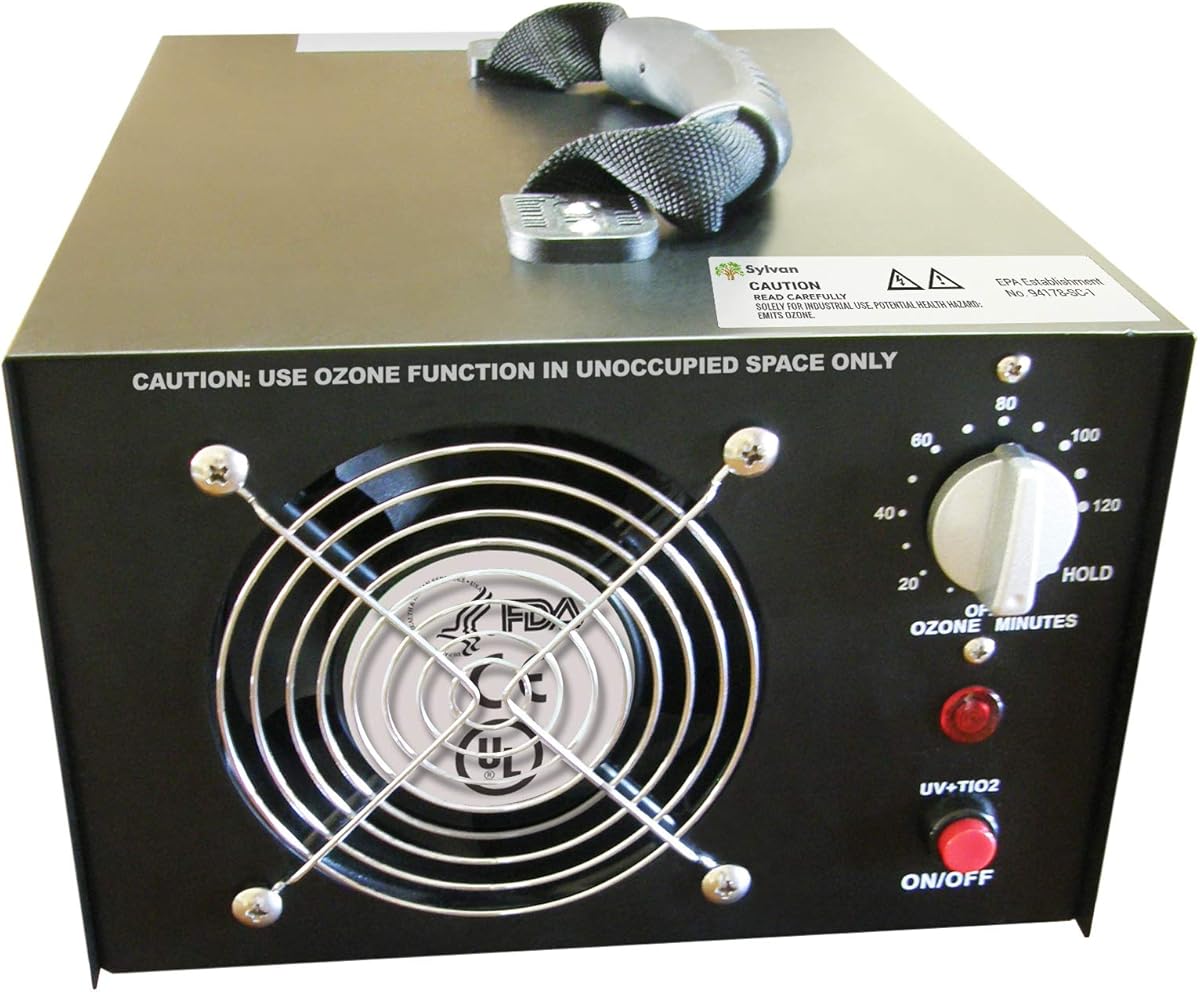
Hydroxyl vs. Ozone Air Purifiers: What the Sylvan HX-3000 Actually Does
The Sylvan HX-3000 is a specialized air treatment device that uses hydroxyl radical generation, with optional ozone output. Unlike standard HEPA filters, this technology aims to neutralize odors and organic contaminants at a molecular level through oxidation. Buyers should understand that this represents a different approach to air purification, targeting volatile organic compounds (VOCs), smoke, and biological odors rather than particulate matter.
Key Considerations Before Buying
- Hydroxyl generators like the HX-3000 work by creating hydroxyl radicals that react with contaminants, but they require proper space calculation and runtime to be effective—this isn't a 'set and forget' appliance.
- The optional ozone function introduces a stronger oxidant that requires careful handling; ozone can be harmful to humans and pets at certain concentrations, making controlled use and ventilation critical.
- This device addresses chemical and biological odors (like from pets, smoke, or mold) rather than dust or allergens, so it complements rather than replaces filtration for particulate matter.
What Our Analysts Recommend
Quality indicators for hydroxyl generators include adjustable output settings for different room sizes, clear safety timers or automatic shut-offs for ozone modes, and robust construction of the reaction chamber. The Sylvan HX-3000's dual-function design suggests it's built for varied remediation tasks, from light odor maintenance to stronger shock treatments.
Air Ionizers Market Context
Market Overview
The hydroxyl and ozone generator market caters primarily to restoration professionals and homeowners dealing with severe odor issues, separating it from the consumer-grade air purifier segment. Products like the Sylvan HX-3000 occupy a niche between industrial oxidizers and simple ionizers, offering more aggressive chemical treatment than typical consumer units.
Common Issues
Common problems include over-reliance on ozone without proper safety protocols, misunderstanding of hydroxyl radical effectiveness in different humidity conditions, and units failing to scale treatment appropriately for large or highly contaminated spaces. Users often confuse these devices with air sanitizers that work continuously in occupied spaces.
Quality Indicators
Look for units with specific hydroxyl output ratings (not just ozone), ceramic or quartz reaction tubes for durability, and clear documentation about room size coverage and treatment times. Professional-grade units typically offer more precise control over oxidation processes than cheaper alternatives.
Review Authenticity Insights
Grade B Interpretation
A Grade B authenticity rating with an estimated 15% fake review rate suggests generally reliable feedback with some minor manipulation concerns. For the Sylvan HX-3000, this means most experiences shared are genuine, but buyers should be slightly more critical of overly simplistic five-star reviews.
Trust Recommendation
Focus on the verified purchase reviews that discuss specific use cases like smoke damage remediation or pet odor elimination. The adjusted rating of 4.10/5 (down from 4.43) indicates the authentic satisfaction level is still strong but slightly more measured than the raw average suggests.
Tips for Reading Reviews
Pay particular attention to reviews that mention actual square footage treated, specific odors addressed, and operational details like runtime requirements. For this technical product, detailed reviews discussing hydroxyl versus ozone modes are more valuable than generic 'works great' comments.
Expert Perspective
The Sylvan HX-3000 appears to be a legitimate tool for serious odor remediation based on the authentic review patterns discussing mold, fire, and biological contamination scenarios. The dual hydroxyl/ozone functionality provides flexibility, but requires user education to deploy safely and effectively. The strong verified purchase review percentage (all six sampled reviews were verified) increases confidence in the reported performance claims, particularly regarding stubborn odor elimination that standard purifiers can't address.
Purchase Considerations
Consider whether your needs justify this specialized approach versus conventional filtration, and if you're prepared to follow safety protocols for ozone use. The HX-3000 makes most sense for periodic deep treatment of problematic spaces rather than continuous air quality maintenance in occupied rooms. Evaluate if you require both hydroxyl and ozone functions or if a single-technology unit might suffice.
Comparing Alternatives
Shoppers should compare the HX-3000's specifications against dedicated hydroxyl generators and professional ozone machines to ensure proper capability matching.


