Choosing Vaginal pH Test Strips: What Matters for Accurate Daily Monitoring
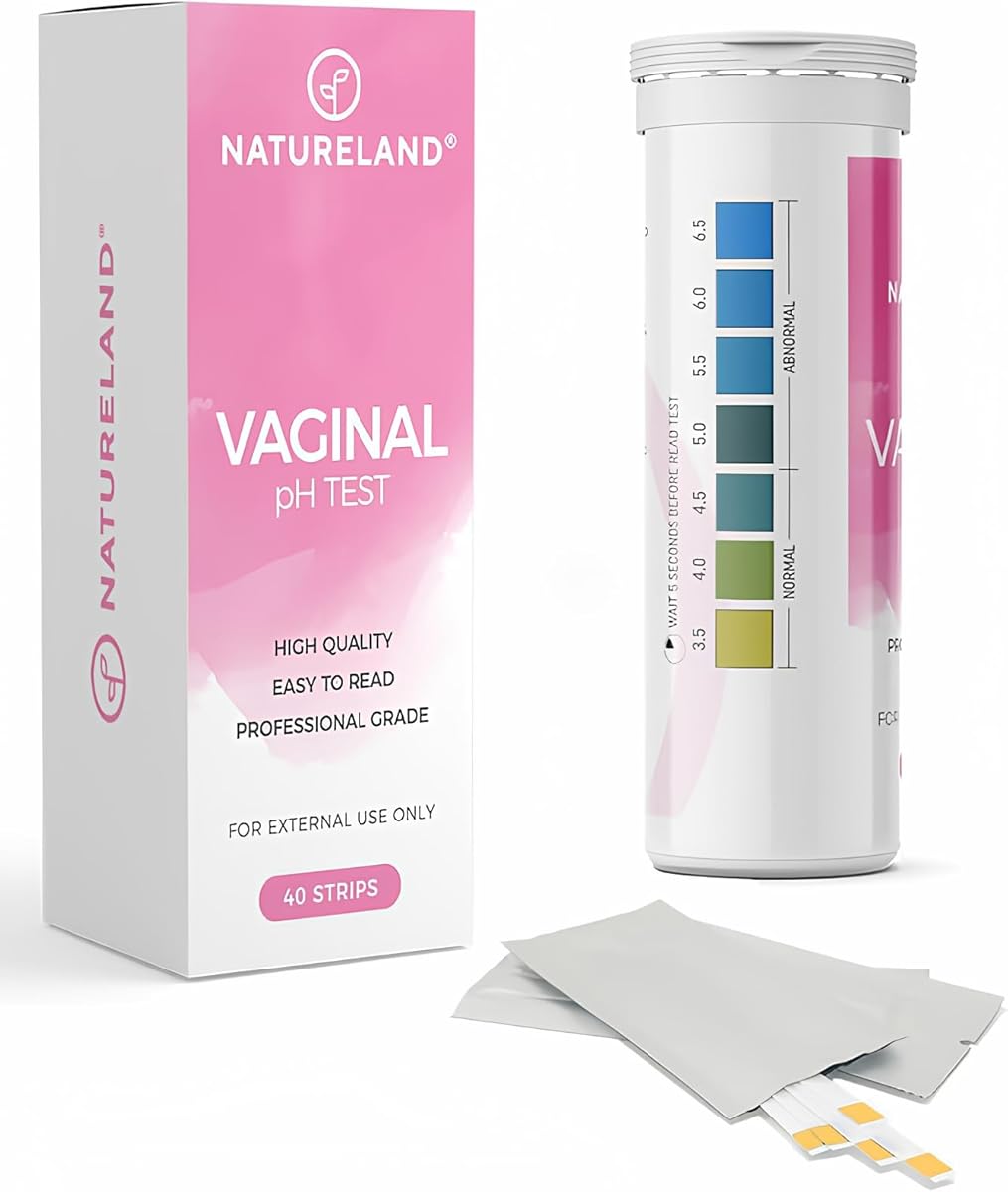
Natureland's 40-count vaginal pH test strips offer a specific approach to intimate health monitoring, with high-sensitivity strips packaged in 10-strip pouches for freshness. Unlike one-time diagnostic tests, these strips are designed for regular tracking, requiring buyers to understand proper usage frequency and interpretation of acidity/alkalinity readings. The product's positioning as 'daily care' rather than medical diagnosis is a crucial distinction consumers should recognize.
Key Considerations Before Buying
- The 40-count packaging with 10-strip pouches addresses strip degradation from humidity exposure, a common issue with bulk containers in this category.
- High sensitivity claims require verification against actual color chart clarity and whether subtle pH variations (like 4.0 vs 4.5) are distinguishable for meaningful tracking.
- Regular monitoring strips like these serve different purposes than diagnostic tests—they're for trend observation rather than definitive infection detection.
What Our Analysts Recommend
Quality vaginal pH strips should provide a clear, laminated color comparison chart resistant to bathroom moisture. The Natureland product's pouch packaging suggests attention to strip preservation, but examine reviews for comments about color bleed or ambiguous readings between 4.0-4.5, the critical range for vaginal health. Genuine quality indicators include consistent strip reactivity and packaging that prevents environmental contamination.
Yeast Infection Treatments Market Context
Market Overview
The vaginal pH test strip market has expanded from clinical tools to consumer wellness products, with offerings ranging from basic litmus strips to integrated app-connected systems. Natureland's approach represents the mid-tier segment focusing on affordability and regular monitoring rather than single-use diagnosis. Current trends show increased consumer interest in proactive intimate health management rather than reactive treatment.
Common Issues
Users frequently report difficulty interpreting color variations in the critical 3.8-4.5 pH range where subtle shifts indicate health changes. Many strips suffer from color chart fading or poor lamination, while others provide ambiguous results between 'normal' and 'elevated' ranges. Storage concerns are particularly relevant for 40-count packages that might be used over several months.
Quality Indicators
Superior products feature clearly differentiated color benchmarks, especially between pH 4.0 and 4.5 where clinical relevance is highest. Quality packaging maintains strip integrity through individual wrapping or humidity-controlled pouches. Reliable brands provide educational resources about normal pH fluctuations throughout menstrual cycles and how to interpret trending data.
Review Authenticity Insights
Grade A Interpretation
A Grade B authenticity rating with 10% estimated fake reviews indicates generally trustworthy feedback with moderate verification needed. For intimate health products like pH strips, this suggests most reviews reflect genuine user experiences, though some may exaggerate medical claims. The 0.27-point drop from displayed to adjusted rating (4.67 to 4.40) is moderate but warrants careful review evaluation.
Trust Recommendation
Focus on verified purchase reviews that describe specific usage scenarios, like tracking pH throughout menstrual cycles or during antibiotic use. Be skeptical of reviews making definitive medical claims about diagnosing infections, as pH strips alone cannot provide complete diagnoses. The 7,732-review volume provides substantial data, but prioritize recent reviews for packaging and strip quality consistency.
Tips for Reading Reviews
Look for reviews mentioning actual pH numbers and comparisons to clinical tests for accuracy verification. Pay attention to comments about color chart clarity and strip consistency across different pouches in the 40-count package. Reviews discussing long-term tracking (weeks/months) provide more valuable insights than single-use impressions.
Expert Perspective
Natureland's vaginal pH strips present a viable option for regular intimate health monitoring rather than diagnostic purposes. The product's 4.40 adjusted rating from verified purchases suggests satisfactory performance for most users, though the authenticity analysis indicates some review inflation. The pouch packaging addresses a legitimate concern about strip degradation, but effectiveness depends on proper storage and usage consistency. This product serves consumers seeking proactive awareness rather than those needing immediate diagnostic answers.
Purchase Considerations
Consider whether you need 40 tests for regular monitoring or fewer strips for occasional checks. Evaluate your ability to consistently interpret color variations against the provided chart, as ambiguous readings diminish utility. The product works best for established health baselines rather than acute symptom investigation, requiring realistic expectations about what pH tracking can and cannot reveal about vaginal health.
Comparing Alternatives
Compare Natureland's sensitivity claims and packaging against competitors like pH-D Feminine Health or NutraBlast strips, particularly regarding color differentiation in the clinically relevant range.