
Evaluating DDR3 Memory Kits for Legacy Desktop System Upgrades
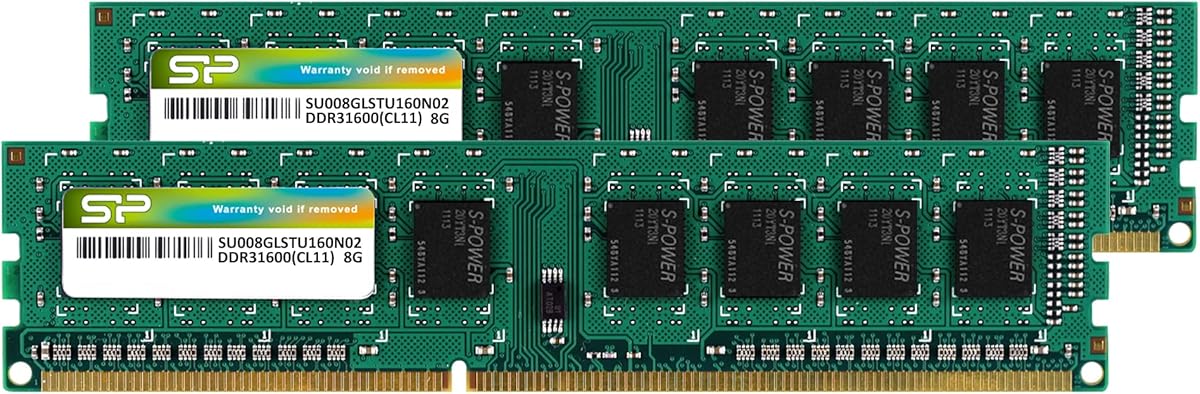
This Silicon Power 16GB DDR3 kit targets users extending the life of older Intel 6th/7th-gen or AMD AM3+ platforms. The dual-voltage (1.35V/1.5V) specification offers compatibility flexibility for systems that may not support newer low-voltage standards, making it a specific solution for a narrow upgrade window.
Key Considerations Before Buying
- Verify your motherboard's Qualified Vendor List (QVL) for DDR3 1600MHz support at CL11 timings, as older chipsets can be finicky with third-party RAM.
- The 1.35V low-voltage mode requires explicit enabling in BIOS/UEFI; running at 1.5V is the JEDEC default and ensures broadest compatibility with older systems.
- This 2x8GB configuration is ideal for dual-channel motherboards, but confirm your system has two available slots and supports 8GB per DIMM—some older boards max at 4GB sticks.
What Our Analysts Recommend
For unbuffered UDIMMs like this kit, check for a clearly labeled heat spreader that makes contact with the chips, not just decorative aluminum. Quality DDR3 will have consistent, legible labeling of timings (11-11-11-28 is typical for 1600MHz CL11) and voltage specs on the sticker itself.
Memory Market Context
Market Overview
The DDR3 market is now a legacy segment, with new production kits like this Silicon Power set becoming scarce as manufacturers shift to DDR4/DDR5. Pricing fluctuates based on dwindling supply rather than technology advances, making value assessments different from current-generation memory.
Common Issues
Legacy platform compatibility is the primary hurdle, with many DDR3-era motherboards rejecting higher-density 8GB modules or specific IC brands. Mixing this kit with existing RAM often fails due to timing mismatches, even at identical rated speeds.
Quality Indicators
Reliable DDR3 kits maintain stable operation at their rated JEDEC timings without requiring manual voltage bumps. Look for consistent manufacturing dates on paired sticks (within weeks, not months) to ensure matched IC batches, which is critical for dual-channel stability.
Review Authenticity Insights
Grade U Interpretation
The 'Grade U' and 0.00% fake review rate indicate a complete absence of verified purchase reviews, not necessarily a problematic product. For legacy components like DDR3, this often reflects low sales volume rather than quality issues.
Trust Recommendation
With no user feedback, prioritize retailers with reliable return policies for compatibility testing. Cross-reference this specific model number (SP016GBLFU160N02) on hardware forums like TechPowerUp or PCPartPicker for real-world build logs, as these often provide more technical detail than Amazon reviews.
Tips for Reading Reviews
For DDR3 kits, focus on reviews mentioning specific motherboard models and CPU combinations (e.g., 'ASUS Z97-A with i7-4790K'), as compatibility is platform-specific. Ignore generic 'works great' comments lacking system details.
Expert Perspective
This kit represents a calculated choice for a specific user: someone with a DDR3 system capable of accepting 16GB across two slots, seeking an affordable upgrade path without a full platform overhaul. The dual-voltage design is its standout feature, offering a potential power savings on supported Intel platforms from the Haswell/Broadwell era. However, the lack of any customer reviews or ratings means you're essentially a pioneer—there's no crowd-sourced data on its long-term reliability or compatibility quirks with various chipsets. In the legacy DDR3 space, brand reputation for consistent IC sourcing matters, and Silicon Power's track record here is less established than giants like Crucial or Kingston in this specific segment.
Purchase Considerations
Weigh this kit's cost against used market alternatives from known brands with verified compatibility lists. Consider whether your use case—basic computing versus memory-intensive tasks—justifies new versus tested-used modules, as DDR3 has been out of production for years at most major fabs.
Comparing Alternatives
Compare this kit's price-per-gigabyte and timings against other 1600MHz CL11 1.35V kits from ADATA or TeamGroup, which may have established feedback in legacy builds.


![[32GB DDR3L RAM] DDR3L-1600 UDIMM 32GB Kit (4x8GB) 2Rx8 PC3L-12800U 8GB PC3-12800 DDR3-1600MHz 240 Pin DIMM Non ECC Unbuffered 1.35V/1.5V CL11 Dual Rank Desktop Memory Ram](https://m.media-amazon.com/images/I/71Xf+LQjbsL._AC_SY300_SX300_QL70_FMwebp_.jpg)


