
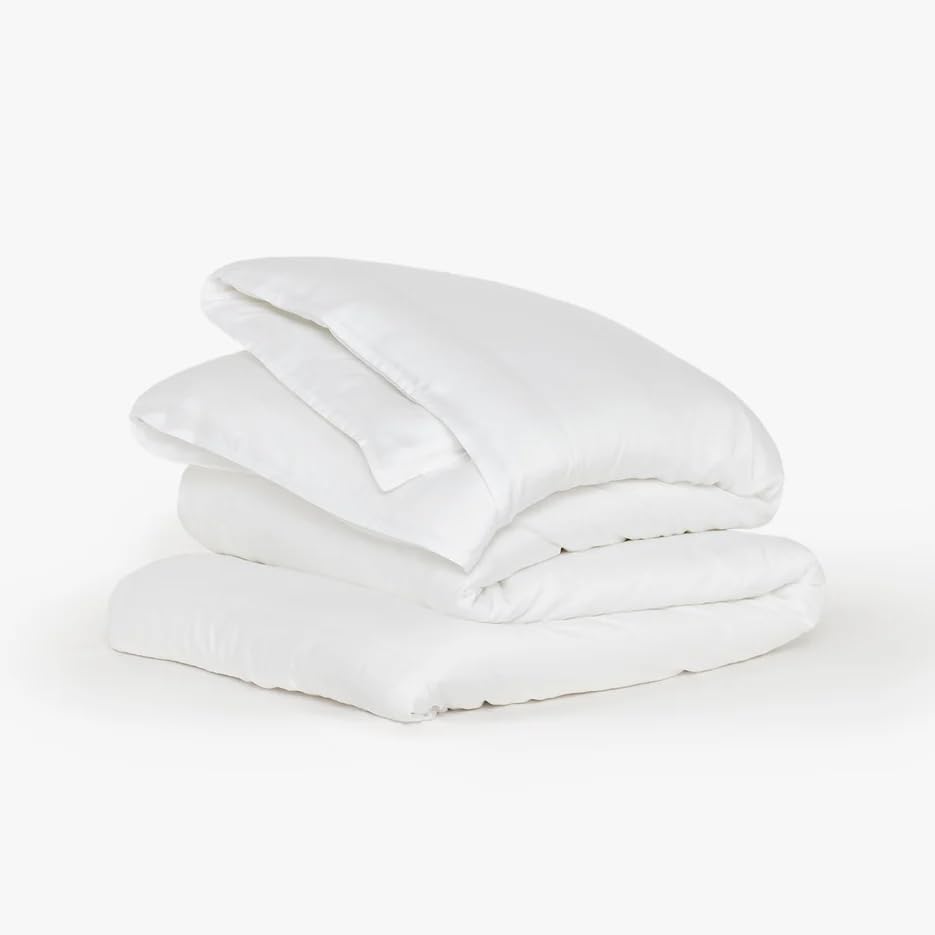
Choosing a Lyocell Duvet Cover: What Makes Buffy's Eucalyptus Version Unique
When selecting a duvet cover, the material and construction define your sleep experience. The Buffy cover uses 100% eucalyptus lyocell, a fiber known for its silky texture and temperature-regulating properties, which sets it apart from standard cotton or polyester blends. Its corner ties and natural dye process are specific features that warrant close examination.
Key Considerations Before Buying
- Lyocell's moisture-wicking and cool-to-the-touch feel is ideal for hot sleepers, but its drape and silky hand-feel differ significantly from crisp percale or flannel cotton.
- The natural dye process used for the white color may affect long-term colorfastness and care requirements compared to conventionally dyed linens.
- Corner ties are essential for keeping a duvet insert in place, but their placement, size, and material durability vary widely between brands.
What Our Analysts Recommend
For lyocell bedding, examine the thread count and weave; a sateen weave enhances the silky feel but may be less durable than a plain weave. Check product details for Oeko-Tex or other certifications to verify the safety of the lyocell process and dyes. Assess closure quality—the zipper or button placement on this specific model—as it's a common failure point.
Duvet Covers Market Context
Market Overview
The duvet cover market is saturated with options, but eucalyptus lyocell represents a growing niche positioned between luxury linen and performance synthetics. Brands like Buffy compete directly with other DTC companies offering similar eco-conscious, plant-based fibers, often at a premium over basic cotton.
Common Issues
Sizing discrepancies, where covers don't fit standard inserts snugly, and premature pilling on silky fabrics are frequent complaints. Consumers also report issues with corner ties detaching or being too short to secure thicker comforters effectively.
Quality Indicators
High-quality lyocell duvet covers will specify the fiber source (eucalyptus vs. generic wood pulp) and the closed-loop lyocell process. Finished seams, reinforced stitching at stress points like corners and closures, and clear, detailed care instructions are tangible markers of better construction.
Review Authenticity Insights
Grade B Interpretation
A 'B' grade and an 11% estimated fake review rate suggest the review corpus is largely reliable, but shoppers should be aware that roughly 1 in 10 reviews may be inauthentic. This is a moderate rate for the bedding category, where incentivized reviews are common.
Trust Recommendation
Focus on verified purchase reviews that mention specific, long-term use (e.g., 'after 3 washes' or 'through a hot summer'). Be slightly more skeptical of overly effusive 5-star reviews that lack detail about the material's feel or performance over time.
Tips for Reading Reviews
Prioritize reviews that discuss the 'cool-to-the-touch' claim in relation to seasonality, and look for comments on how the corner ties function with the user's specific comforter thickness. Reviews mentioning the natural dye's whiteness or any yellowing are particularly valuable.
Expert Perspective
The Buffy Eucalyptus Lyocell Duvet Cover occupies a specific position for sleepers prioritizing temperature regulation and a distinct, silky texture. The adjusted rating of 3.70/5, derived from authentic reviews, indicates a product with notable strengths but consistent drawbacks mentioned by real users, likely related to durability or fit. Its value proposition hinges on whether a consumer's priority is the unique feel of lyocell over the proven durability of high-grade cotton.
Purchase Considerations
Weigh the premium for lyocell against your need for a cooling fabric; it's a strong choice for warm climates or night sweats. Consider your comforter's loft, as the corner ties must accommodate it. Be prepared for specific care—lyocell often requires gentle cycles and low heat to maintain its integrity.
Comparing Alternatives
Shoppers should compare this cover's performance and price against other lyocell options and high-thread-count, long-staple cotton sateen covers, which offer a different balance of softness and resilience.


