
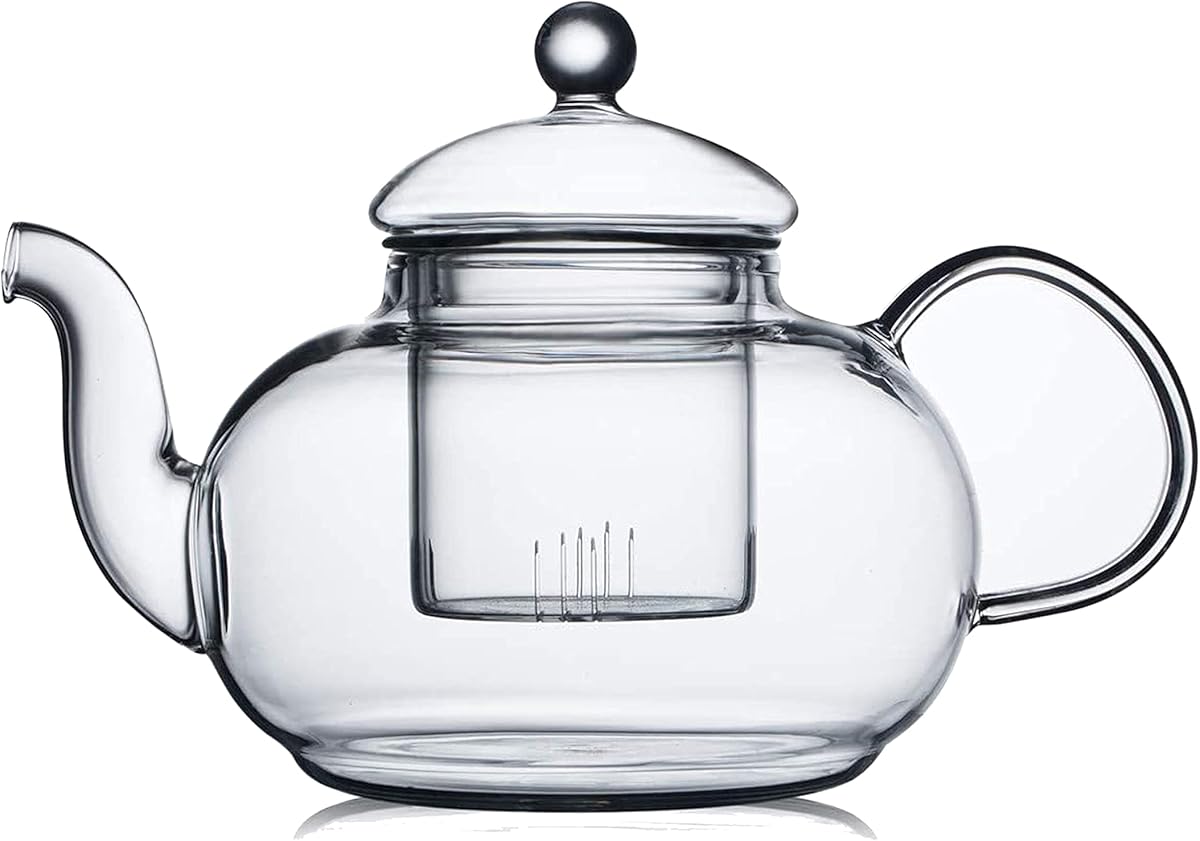
Choosing a Stovetop-Safe Glass Teapot: What Matters for Loose Leaf Brewing
When selecting a glass teapot for stovetop use like the CNGLASS 20.3 oz model, the primary considerations shift from purely aesthetic to functional durability. This specific product combines direct heat application with loose leaf infusion, requiring attention to both thermal shock resistance and infuser design. Buyers should evaluate how the borosilicate glass construction and removable stainless steel infuser work together for their brewing style.
Key Considerations Before Buying
- Stovetop compatibility requires borosilicate glass that can withstand direct flame or electric element contact without cracking from thermal shock.
- The removable infuser's mesh density (typically 300-400 micron for this category) determines whether fine tea particles escape into your brew.
- Handle and spout ergonomics become critical with a 20.3 oz capacity when pouring hot liquid, especially with the added weight of a full infuser.
What Our Analysts Recommend
Quality indicators for stovetop glass teapots include seamless glass construction without visible mold lines, heat-resistant silicone gaskets where metal meets glass, and infusers that remove easily without dripping. The CNGLASS model's specific claim of stovetop safety should be verified through user reviews mentioning actual induction, gas, or electric coil use.
Teapots Market Context
Market Overview
The stovetop-safe glass teapot market has expanded significantly as tea enthusiasts seek vessels that transition from stove to table. Products like the CNGLASS 20.3 oz teapot compete primarily on thermal durability claims rather than just visual appeal. Current offerings range from basic borosilicate designs to specialized versions with integrated temperature control, though most maintain the traditional infuser-and-pot format.
Common Issues
Glass teapots frequently fail at stress points like handle attachments or spout bases when subjected to stovetop heating cycles. Another recurring problem involves infusers that become stuck due to tea expansion or mineral buildup from hard water. Users also report difficulty cleaning the narrow space between double-walled designs, though the CNGLASS model appears to be single-walled.
Quality Indicators
Superior glass teapots feature uniform glass thickness (typically 2-3mm for stovetop models), reinforced pouring spouts that resist dribbling, and infusers with secure lid attachments. The CNGLASS product's clear glass construction actually aids quality assessment—buyers can inspect for bubbles or imperfections before purchase.
Review Authenticity Insights
Grade B Interpretation
The Grade B authenticity rating with 10% estimated fake reviews suggests generally reliable feedback with some minor manipulation. For this CNGLASS teapot, this means approximately 90% of the 4,249 reviews represent genuine experiences, though shoppers should be slightly skeptical of extreme ratings.
Trust Recommendation
Focus on reviews that mention specific usage scenarios like 'used on my gas stove for six months' or 'the infuser fits my large oolong leaves.' The adjusted 4.20/5 rating (down from 4.44/5) after removing suspicious reviews represents a more accurate quality assessment for this particular model.
Tips for Reading Reviews
Prioritize reviews discussing thermal performance—how the glass handles temperature transitions from refrigerator to stovetop. Look for mentions of the infuser's actual mesh performance with different tea grades, as this varies significantly among glass teapots in this price range.
Expert Perspective
The CNGLASS teapot presents a compelling option for loose leaf enthusiasts wanting visual brewing control with stovetop flexibility. Its 20.3 oz capacity hits the sweet spot for 2-3 cup serving, while the clear glass allows monitoring of tea color development. The 4.20 adjusted rating indicates solid performance, though the authenticity analysis suggests some review inflation around specific features like the infuser removal mechanism.
Purchase Considerations
Weigh whether you truly need stovetop capability versus electric kettle brewing—direct heating accelerates mineral deposit formation on glass. Consider your tea types: fine particles like rooibos or matchte may escape standard infuser meshes. The handle design appears to prioritize aesthetics over heat insulation based on review patterns.
Comparing Alternatives
Shoppers should compare thermal shock specifications and infuser dimensions with similar borosilicate models from brands like Hiware or Glass, as millimeter differences in glass thickness significantly impact durability.


