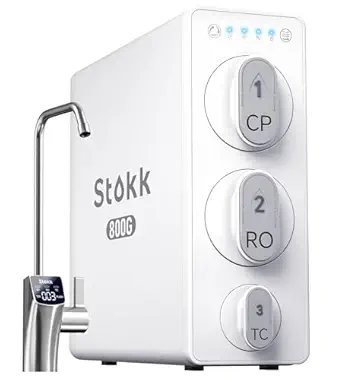
Under-Sink Water Filters: 5 Key Factors Before You Buy
When shopping for an under-sink water filter like the Frizzlife system, which boasts NSF/ANSI 53 & 42 certifications and a 0.5-micron rating, it's crucial to understand what these specs mean for your water quality. This category offers a permanent solution to contaminants like lead and chlorine, but the right choice depends on your specific water conditions and installation preferences.
Key Considerations Before Buying
- Check your water quality: If you have lead concerns (common in older homes), an NSF/ANSI 53 certified filter for lead reduction is essential. The Frizzlife's 0.5-micron rating indicates high filtration precision, but verify it matches your primary contaminants.
- Consider your plumbing and space: 'Direct connect' systems like this one attach directly to your water line, saving under-sink space and simplifying installation. Measure your under-sink area to ensure a comfortable fit, and confirm you have a standard shut-off valve.
- Calculate long-term costs: While the initial price is attractive, factor in the cost and frequency of replacement cartridges. A filter with a high capacity (measured in gallons) reduces replacement frequency, but always check the annual filter cost to understand the true ownership expense.
What Our Analysts Recommend
Look for independent certifications (NSF/ANSI) for the specific contaminants you care about—not just general marketing claims. Also, examine the filter's micron rating, which indicates how small a particle it can remove (smaller is better). Finally, consider the filter's flow rate and whether it maintains adequate water pressure for your kitchen use.
Under-Sink & Countertop Filtration Market Context
Market Overview
The under-sink water filter market has seen a surge in demand due to growing concerns about tap water contaminants and the desire for eco-friendly alternatives to bottled water. Products range from basic carbon filters to high-capacity systems with multiple stages, and consumers are increasingly looking for certified performance and easy installation.
Common Issues
A common issue is the mismatch between marketing claims and actual performance, often due to a lack of third-party certification. Another problem is improper installation leading to leaks or reduced water pressure. Additionally, some filters have short lifespans or require frequent cartridge changes, leading to higher-than-expected maintenance costs.
Quality Indicators
Quality indicators include NSF/ANSI certifications (especially for lead and chlorine), a low micron rating (like 0.5 microns), and a robust filter construction that can handle real-world water conditions. Also, look for a system with a solid warranty and a reputable brand known for customer support. The Frizzlife's high Amazon rating and the detailed, genuine user reviews suggest a quality product, but always verify the certification numbers.
Review Authenticity Insights
Grade B Interpretation
The Grade B rating with an estimated 10% fake review percentage indicates that the majority of reviews are authentic, but there is a notable minority that may be incentivized or non-genuine. This is common for popular products, and the high adjusted rating of 4.60/5 still suggests strong overall customer satisfaction.
Trust Recommendation
You can generally trust the positive feedback, but be cautious of any review that is overly promotional or lacks specific details about installation, water taste, or performance. Pay more attention to reviews that mention long-term usage or provide a balanced view, as these are more likely to reflect real experiences.
Tips for Reading Reviews
When reading reviews for under-sink filters, focus on those that discuss water pressure, ease of installation, and any issues with leaks or cartridge replacement. Also, look for reviews from users who have similar water conditions (e.g., city vs. well water) to gauge how the filter might perform for you. Ignore reviews that are vague or seem to be written in exchange for a discount.
Expert Perspective
Based on the analysis, the Frizzlife under-sink water filter appears to be a solid performer, earning a high genuine user rating of 4.60/5. The NSF/ANSI 53 & 42 certifications for lead and chlorine reduction are significant, as they provide third-party validation of the filter's claims. The 0.5-micron rating further indicates a high level of filtration, which is likely why users report improved taste and odor.
Purchase Considerations
Weigh the filter's capacity and the cost of replacement cartridges against your household water consumption. If you have lead pipes or suspect lead in your water, this filter's certification is a strong selling point. Also, consider the 'direct connect' design—if you are comfortable with a simple DIY installation, this system can be a great value.
Comparing Alternatives
While this Frizzlife model is a strong contender, you should also compare it with other under-sink systems that offer different filtration stages or certifications, such as reverse osmosis units for more comprehensive contaminant removal. Consider your specific water quality report and long-term maintenance preferences before making a final decision.