
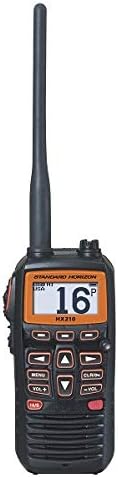
Choosing a Floating Marine VHF: What Matters for the Standard Horizon HX210
When selecting a handheld marine VHF like the Standard Horizon HX210, its 6-watt output and compact floating design are primary features. Buyers should understand how these specifications translate to real-world use on the water, balancing power with portability and emergency readiness.
Key Considerations Before Buying
- The 6-watt maximum power is a key spec; it offers better range than 5W or 1W models, but performance is still limited by antenna height and line-of-sight compared to fixed-mount radios.
- The floating capability is a critical safety feature for a handheld, but verify it's truly buoyant with the antenna attached, as some radios only float without it.
- Battery life and charging method (like the included drop-in charger) are crucial for multi-day trips, as a dead radio is useless regardless of other features.
What Our Analysts Recommend
For a quality marine handheld, prioritize clear audio, intuitive NOAA weather alert programming, and a robust IPX8 submersible rating. The HX210's specific construction, including its sealed port covers and button feel, are tangible indicators of its durability against saltwater exposure.
Marine Two-Way Radios Market Context
Market Overview
The marine handheld VHF market is dominated by a few trusted brands like Standard Horizon, Icom, and Cobra, with models segmented by power output, floating capability, and advanced features like GPS/DSC. The HX210 sits in the popular mid-range for recreational boaters.
Common Issues
Common complaints across handhelds include shorter-than-advertised real-world range, battery degradation over a few seasons, and complex menu systems that are difficult to use in rough conditions. Waterproof seals failing over time is another frequent point of failure.
Quality Indicators
Look for a solid, not hollow, feel in the casing, clear display visibility in sunlight, and positive-action knobs and buttons. A reputable brand with a strong track record in marine electronics, like Standard Horizon, is often a more reliable indicator than price alone.
Review Authenticity Insights
Grade B Interpretation
A Grade B with an estimated 15% fake review rate suggests the review corpus is generally reliable but requires discernment. For the HX210, this means most experiences shared are genuine, but a portion of the glowing 5-star reviews may be artificially inflated.
Trust Recommendation
Focus on the verified purchase reviews that discuss specific, detailed use cases, like battery performance on a long fishing trip or clarity during a storm. The adjusted rating of 4.10/5 is likely a more accurate reflection of real user satisfaction than the raw 4.44 average.
Tips for Reading Reviews
Pay special attention to 3- and 4-star reviews for balanced pros/cons, and scrutinize 1-star reviews for recurring hardware or durability issues. For this product, look for patterns in comments about the belt clip durability or the charger's longevity.
Expert Perspective
The Standard Horizon HX210 presents as a solid, no-frills workhorse in the marine handheld category. Its strong adjusted rating of 4.10 from verified buyers indicates it reliably delivers on its core promises of floating, 6W power, and basic functionality. The high percentage of authentic reviews gives confidence that reported performance—both positive and negative—is credible. Its position is for the boater who prioritizes fundamental safety communication over integrated GPS or Bluetooth features.
Purchase Considerations
Weigh the importance of the floating design and simple interface against the lack of advanced Digital Selective Calling (DSC) with GPS. If you primarily need a reliable backup or dinghy radio, the HX210 is compelling; if you require a primary radio for offshore safety that can broadcast your location, you need a DSC-enabled model.
Comparing Alternatives
Shoppers should compare the HX210 directly to similar 6W floating models from Icom (like the M25) and Cobra to assess ergonomics and accessory costs.


![[FishPRO® 2026 Upgrade] NO.1 HD 1080P Underwater Fishing Camera 7'' IPS- DVR-32GB, w/10,000mAh(Ease To Use), Ice Fishing Camera Underwater, Fish Finder Camera for Boat Ice Lake Fish, USB-C/LED+IR/82ft](https://m.media-amazon.com/images/I/819xcX85j8L._AC_SY300_SX300_QL70_FMwebp_.jpg)


