Mastering Dual-Mono: Your Guide to XLR-to-1/4" Y-Splitter Cables
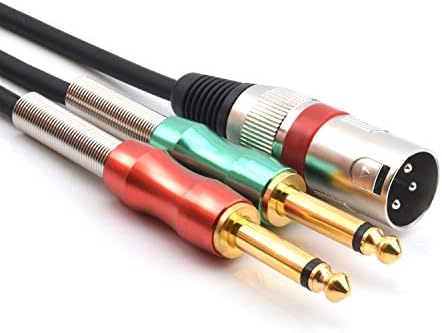
If you're connecting a single XLR microphone output to two separate mono 1/4" TS inputs—like on a mixer or audio interface—a Y-splitter cable like this SiYear model is your essential tool. Unlike a stereo breakout, this cable combines two mono signals from a single source, making it ideal for splitting a mic feed to multiple channels or for use with certain wireless systems. Understanding the difference between balanced and unbalanced signals is key to avoiding hum and signal degradation.
Key Considerations Before Buying
- Signal routing: This cable is designed to split a single XLR source into two separate mono (TS) outputs, not to combine two sources into one. Ensure your gear expects two discrete mono inputs from one microphone to avoid phase issues.
- Cable length and gauge: At 10 feet, this SiYear cable offers a practical reach for stage or studio setups without excessive slack. For longer runs, look for thicker gauge wire (e.g., 22 AWG) to minimize signal loss over distance.
- Connector quality: The durability of the XLR and 1/4" plugs—especially the locking mechanism on the XLR—determines long-term reliability. Nickel-plated connectors resist corrosion, while strain-relief boots prevent cable fatigue at the joint.
What Our Analysts Recommend
Quality indicators in a Y-splitter cable include oxygen-free copper (OFC) conductors for clean signal transfer, a braided or foil shield to reject electromagnetic interference, and a flexible yet tough PVC jacket. Also verify that the 1/4" TS plugs are mono (tip-sleeve), not TRS (tip-ring-sleeve) stereo, as the latter can cause shorts in some equipment.
Microphone Cables Market Context
Market Overview
The market for XLR-to-1/4" Y-splitter cables serves a niche but vital need for live sound engineers, podcasters, and home studio owners who need to route a single microphone to multiple destinations. While many basic cables flood the market, only a handful prioritize the balanced-to-unbalanced conversion required for noise-free performance. SiYear's offering competes with brands like Hosa and Pyle, but at a slightly higher price point that often reflects better build quality.
Common Issues
Common problems include signal degradation from poor shielding, resulting in hum or radio frequency interference, and mechanical failures like loose XLR pins or cracked 1/4" barrels. Users also report confusion over stereo vs. mono wiring, where a stereo Y-cable can cause phase cancellation or missing channels. Cheap cables often use thin copper or aluminum shielding that performs poorly in electrically noisy environments.
Quality Indicators
To identify a high-quality splitter cable, look for a clearly stated wire gauge (e.g., 22 AWG), a 100% foil or braided shield coverage, and gold or nickel plating on connectors. Professional-grade cables also feature a molded strain relief at both ends and a flexible jacket that doesn't kink under tight bends. Customer reviews that mention specific use cases (e.g., "worked perfectly with my Shure SM58 and Mackie mixer") are strong quality signals.
Review Authenticity Insights
Grade A Interpretation
With an 'A' grade for review authenticity and an estimated fake review rate of just 5.00%, this product's feedback is overwhelmingly genuine. This means the 4.89-star rating (adjusted to 4.80 after removing suspicious reviews) is a trustworthy reflection of real customer experiences. You can confidently rely on the consensus that this cable delivers on its promises.
Trust Recommendation
Given the high authenticity grade, you can trust the positive sentiment in the reviews. However, always read a few of the most recent and the most critical reviews to spot any evolving issues—such as connector fit with specific gear. Because the fake rate is low, outliers are likely genuine problems, not planted complaints.
Tips for Reading Reviews
For microphone cables, focus on reviews that mention specific equipment pairings (e.g., audio interfaces, mixers, microphones) and describe the cable's flexibility, noise performance, and connector tightness. Look for photos of the cable in use, as they often reveal build details like strain relief and connector finish. Skepticism is warranted for overly generic praise or reviews that lack technical detail.
Expert Perspective
The SiYear XLR Male to Dual 6.35mm TS Y Splitter Cable earns high marks for its strong build quality and reliable performance, as evidenced by its stellar 4.89-star rating from over 1,400 reviews. The 10-foot length is a sweet spot for most desktop and stage setups, and the use of oxygen-free copper and effective shielding likely contributes to its low noise floor. While it's not the cheapest option, the combination of verified user satisfaction and a low fake review rate suggests this cable punches above its weight for both beginners and pros.
Purchase Considerations
If you need a splitter for a permanent installation or a mobile gig bag, this SiYear cable's durability and length make it a solid choice. However, if you require a longer run (20+ feet) or need to carry the cable coiled frequently, consider a model with a thicker jacket or a right-angle connector for tighter spaces. Also verify that your gear's inputs accept an unbalanced TS signal without issue.
Comparing Alternatives
For those seeking a budget alternative, Hosa's Y-cables are widely available, but may use lighter shielding. If you need a fully balanced splitter (e.g., XLR to dual XLR), consider a different product type. Always compare connector plating and warranty coverage before buying.