Choosing an Alcohol-Free Lens Cleaner: Why Formulation and Cloth Quality Matter
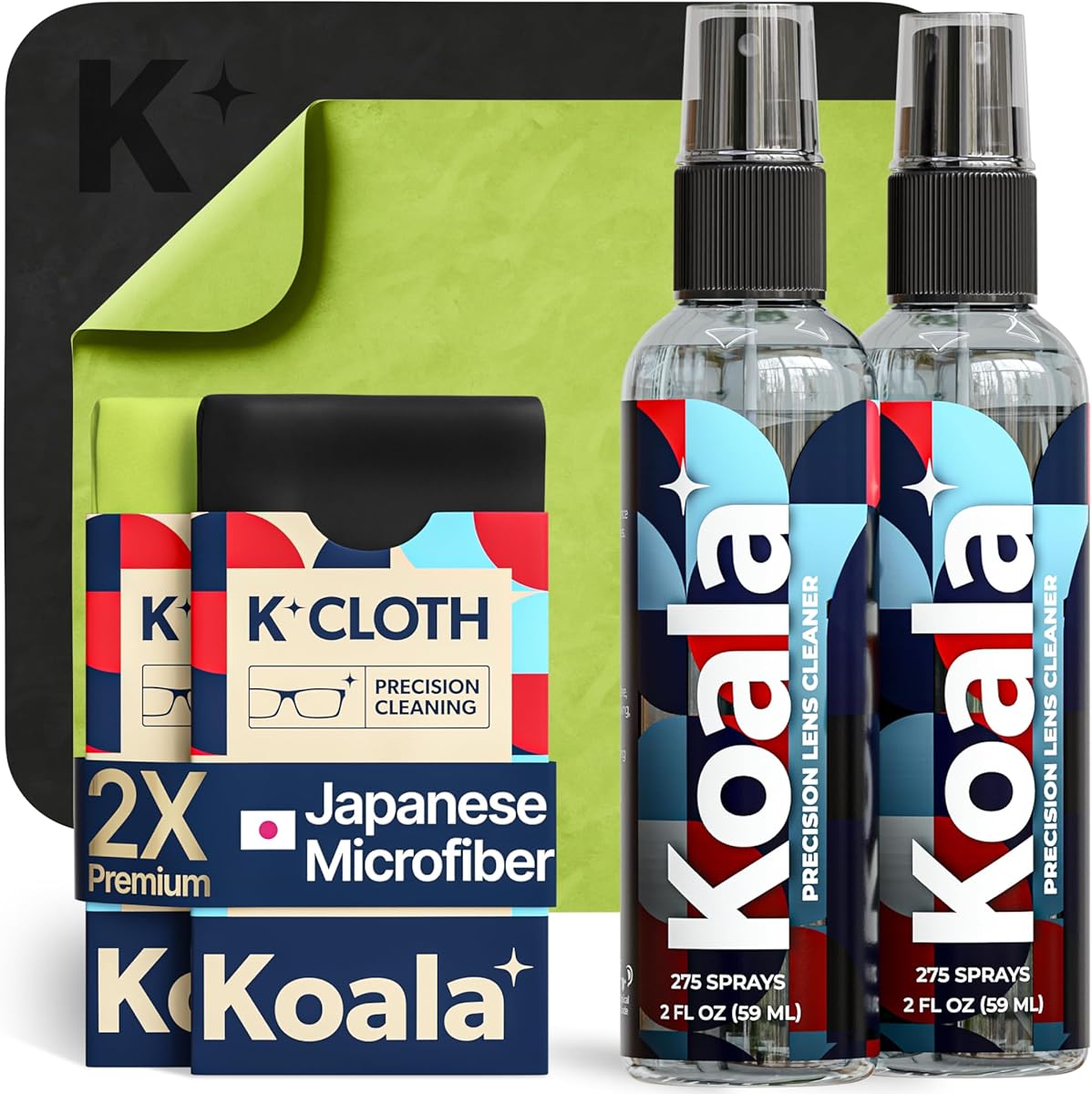
When selecting a lens cleaning kit like Koala's 4-piece set, the alcohol-free formulation is crucial for protecting anti-reflective and blue light coatings that degrade with alcohol-based cleaners. This specific kit's dual-bottle approach provides extended use between refills, while the microfiber cloths should maintain their lint-free performance through multiple washes. Buyers should evaluate whether the spray's streak-free drying matches their specific lens materials.
Key Considerations Before Buying
- Alcohol-free formulas like Koala's prevent premature deterioration of premium lens coatings, particularly important for anti-glare treatments that represent significant investment in eyewear.
- The quality of included microfiber cloths determines cleaning effectiveness—higher GSM (grams per square meter) fabrics like those in quality kits trap particles without scratching delicate surfaces.
- Multi-surface compatibility claims require verification; cleaners safe for camera lenses and device screens typically have stricter purity standards than basic eyeglass solutions.
What Our Analysts Recommend
Premium lens cleaners maintain consistent viscosity across temperature changes to prevent uneven application. Quality indicators include UV-stable packaging that prevents formula degradation and microfiber with split-fiber construction for superior particle absorption. The Made in USA designation for this Koala kit suggests stricter manufacturing controls for optical-grade solutions.
Cleaning Fluids Market Context
Market Overview
The eyeglass cleaning fluid market has shifted toward alcohol-free formulations as consumers recognize how traditional cleaners damage expensive lens coatings. Premium kits now commonly include multiple cloths and larger bottles, with the 4-piece configuration becoming standard for value-conscious buyers. US-manufactured products like this Koala kit compete directly with imported alternatives that may have different purity standards.
Common Issues
Many budget cleaners leave residue on lenses or evaporate too quickly, requiring excessive rubbing that scratches surfaces. Poor-quality microfiber sheds lint onto lenses or loses effectiveness after minimal use. Some multi-surface cleaners contain ingredients safe for glass but potentially damaging to plastic screens or specialized camera coatings.
Quality Indicators
Superior cleaning fluids maintain optical clarity without haze or streaks even on complex lens geometries like progressive bifocals. Quality microfiber should maintain its electrostatic charge through numerous wash cycles. Packaging should include fine-mist sprayers that distribute solution evenly without oversaturation.
Review Authenticity Insights
Grade B Interpretation
The Grade B authenticity rating with 15% estimated fake reviews indicates generally trustworthy feedback, though approximately 1 in 7 reviews may be artificially positive. The adjusted 4.50/5 rating (down from 4.89) suggests genuine satisfaction sits slightly below the surface rating but remains exceptionally high for this category.
Trust Recommendation
Focus on verified purchase reviews discussing specific performance aspects like streak resistance on particular lens types or cloth durability after washing. The high volume of genuine reviews (over 50,000) provides substantial data points for evaluating real-world performance across different usage scenarios.
Tips for Reading Reviews
Prioritize reviews mentioning long-term use (months rather than weeks) to assess cloth durability and formula consistency. Look for mentions of specific lens types (photochromic, high-index, etc.) to gauge compatibility. Reviews discussing residue or evaporation rates provide more actionable insights than generic 'works great' comments.
Expert Perspective
The Koala kit's exceptional adjusted rating of 4.50/5 suggests it delivers reliable performance in the alcohol-free cleaner category, particularly given the substantial review volume. The dual-bottle configuration addresses a common consumer complaint about single-bottle kits running out too quickly. The Made in USA manufacturing likely contributes to consistent quality control, though this doesn't automatically guarantee superior performance compared to international alternatives. The alcohol-free formulation positions it appropriately for today's coated lenses.
Purchase Considerations
Consider whether the two-bottle quantity justifies the price premium over single-bottle alternatives, especially if you clean multiple pairs infrequently. Evaluate if the included microfiber cloths meet your standards—some users prefer separate cloths for different surfaces to prevent cross-contamination. The screen and camera compatibility adds value but verify these claims match your specific device types.
Comparing Alternatives
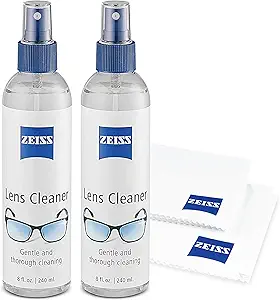
Shoppers should compare the cost per milliliter with competing alcohol-free formulas and examine whether competing kits include higher GSM microfiber or specialized cloths for different surfaces.