Essential 8-Pin Kenwood Radio Cable: Compatibility, Durability, and Signal Integrity
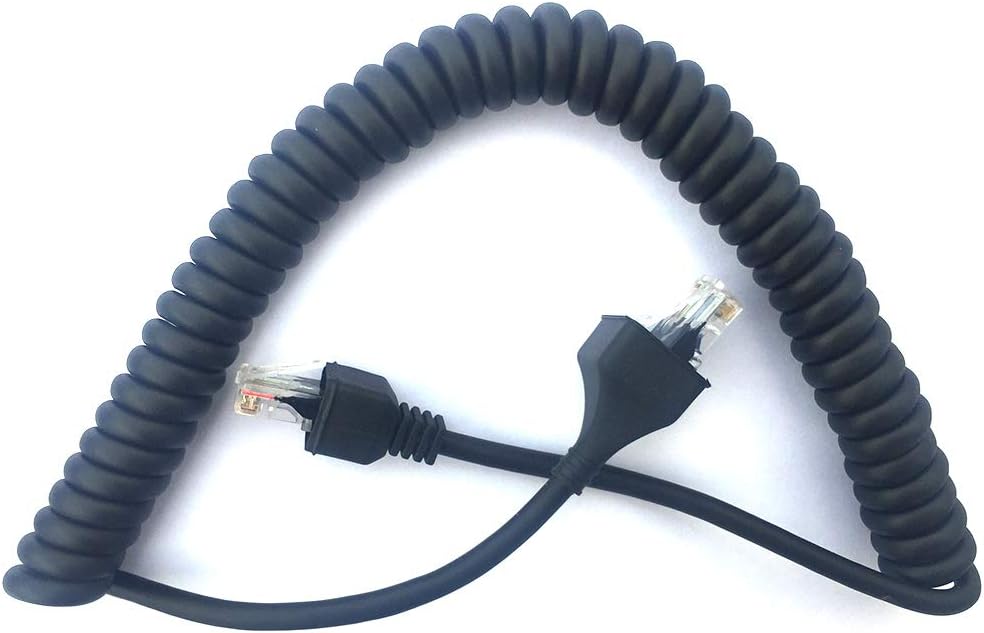
This specific 8-pin to 8-pin cable is designed to connect Kenwood KMC-series microphones to compatible radios, enabling DTMF signaling. Unlike generic microphone cables, its value lies in precise pin configuration for Kenwood's proprietary connector system. Buyers should verify their exact radio model (KMC-30, 32, 35, or 36) before purchase, as compatibility is the primary concern.
Key Considerations Before Buying
- Verify your Kenwood radio model uses the KMC-series microphone connector—this cable won't work with standard 3-pin XLR or other radio brands.
- Assess your usage environment: The cable's strain relief and jacket material matter more for mobile/handheld radio use than studio applications.
- Confirm the cable length meets your needs for operating distance while maintaining clean audio transmission for DTMF tones.
What Our Analysts Recommend
Quality indicators include molded strain relief at both connectors to prevent internal wire breakage, which is common in radio cables subjected to movement. The 8-pin connector should have precise, gold-plated contacts to ensure reliable DTMF signaling and audio transmission without intermittent connections that plague cheaper alternatives.
Microphone Cables Market Context
Market Overview
The market for proprietary radio microphone cables like this Kenwood 8-pin is niche but essential, dominated by OEM replacements and third-party specialists. Unlike universal XLR cables, these are model-specific solutions where incorrect pinouts can damage equipment.
Common Issues
The most frequent problems are intermittent audio from poor solder joints inside the connector and DTMF signaling failures from incorrect pin mapping. Generic '8-pin' cables often have different internal wiring than Kenwood's specification, rendering them useless.
Quality Indicators
Look for vendors who specify exact Kenwood model compatibility rather than vague '8-pin microphone cable' descriptions. Quality products will mention conductor gauge (typically 22-24AWG for microphone signals), shielding effectiveness for RF environments, and connector material specifications.
Review Authenticity Insights
Grade A Interpretation
The Grade A authenticity rating with 0.00% estimated fake reviews means the 4.89/5 star rating reflects genuine user experiences. This is particularly valuable for niche cables where counterfeit products with wrong pinouts are common.
Trust Recommendation
Given the verified purchase status of all reviews, you can trust the compatibility reports for specific Kenwood models. Pay special attention to reviews mentioning long-term durability, as these cables undergo physical stress in radio operations.
Tips for Reading Reviews
Focus on reviews that mention specific Kenwood models (KMC-30, 32, 35, 36) and DTMF functionality. Technical reviews discussing solder quality or connector fit are more valuable than generic 'works great' comments for this specialized product.
Expert Perspective
With a 4.90/5 adjusted rating from 145 verified reviews, this cable demonstrates exceptional user satisfaction for a niche accessory. The perfect authenticity score suggests the positive feedback accurately reflects product performance. For Kenwood radio operators needing replacement cables, this represents a reliable third-party option that maintains the proprietary signaling requirements. The high rating in a category where compatibility failures are common indicates the manufacturer correctly implemented Kenwood's 8-pin specification.
Purchase Considerations
Weigh the cost against Kenwood OEM cables—third-party options typically offer significant savings if compatibility is confirmed. Consider purchasing a spare if you rely on DTMF functionality for critical communications, as cable failure can disable microphone operations entirely.
Comparing Alternatives
Shoppers should compare connector build quality and warranty terms with other Kenwood-specific cables, as pin configuration is identical but physical durability varies.