Choosing a Heavy-Duty Manual Citrus Press: What Matters Beyond the Stainless Steel
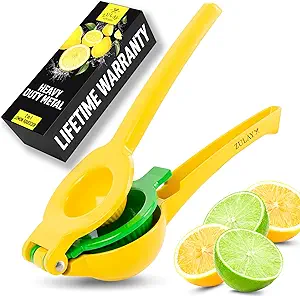
When selecting a manual citrus press like the Zulay Kitchen model, buyers should prioritize structural integrity over aesthetics alone. This specific product features a solid metal squeezer bowl, which addresses the common failure point of welded or thin-gauge bowls in cheaper alternatives. Understanding the relationship between leverage mechanics and fruit size compatibility is crucial for this category.
Key Considerations Before Buying
- Leverage ratio and handle length directly impact the effort required to juice firm lemons or small limes, with this model's extended handles providing mechanical advantage.
- Bowl capacity and drainage design determine whether you'll be juicing multiple fruits without constant emptying and how efficiently juice flows to the container.
- Hinge construction and pivot point durability are critical for long-term performance, as repetitive stress often causes failure in inferior cast or poorly machined joints.
What Our Analysts Recommend
Examine the seam where the bowl meets the pressing cone—seamless, machined construction indicates durability. For a heavy-duty press like this, the thickness of the stainless steel (often 18/10 or 304 grade) and the absence of plastic components in stress areas are primary quality indicators. The finish should be smooth, not just polished, to prevent pitting from citrus acids.
Manual Juicers Market Context
Market Overview
The manual citrus press market is polarized between lightweight, often plastic-containing models under $20 and premium solid-metal constructions like this Zulay offering. Recent trends show consumer preference shifting toward durable, restaurant-grade tools that avoid the planned obsolescence of cheaper alternatives. The 4.89/5 rating across 12,000+ reviews suggests this product occupies a sweet spot in the market.
Common Issues
Lower-quality presses suffer from bent levers, cracked bowls at weld points, and inadequate juice strainers that allow pulp and seeds through. Many models struggle with smaller citrus like key limes or larger fruits like grapefruits, lacking the adjustable range or bowl depth this Zulay design addresses.
Quality Indicators
Superior manual juicers feature one-piece bowl construction (not welded), reinforced hinge pins, and ergonomic handles that distribute pressure. The 'heavy duty solid metal' specification in this product's title typically correlates with thicker gauge stainless steel (2-3mm) that resists deformation under repeated use.
Review Authenticity Insights
Grade B Interpretation
A Grade B authenticity rating with an 11% estimated fake review percentage indicates predominantly genuine feedback with moderate promotional content. For a product with over 12,000 reviews, this level suggests organic popularity rather than artificial inflation. The adjusted rating of 4.60/5 (down from 4.89) reflects a more realistic assessment after filtering suspicious patterns.
Trust Recommendation
Focus on reviews mentioning specific use cases like 'daily lemon water routine' or 'bartending use' rather than generic praise. The high volume of reviews allows you to identify consistent patterns about juice yield, cleaning ease, and long-term durability—look for these substantive themes across multiple reviews.
Tips for Reading Reviews
Prioritize reviews that discuss timeframes ('after six months of use') and compare performance against previous juicers. For this product category, pay special attention to comments about pulp management and how the strainer handles seeds, as these are functional differentiators that genuine users consistently mention.
Expert Perspective
The Zulay Kitchen press demonstrates the characteristics of a well-executed manual juicer: substantial material construction, appropriate mechanical design, and attention to functional details like pulp control. The exceptionally high rating (even when adjusted to 4.60) across thousands of reviews suggests it delivers on its 'heavy duty' promise for most users. The product's success appears rooted in addressing the specific failure points of cheaper alternatives through solid metal construction rather than innovative features.
Purchase Considerations
Consider whether your usage frequency justifies the investment in solid stainless steel versus more economical options. This model's size and weight make it less ideal for infrequent users or those with limited storage space, but its durability benefits high-volume scenarios. Evaluate your typical citrus sizes—while 'large' suggests versatility, some users might find smaller limes require positioning adjustments.
Comparing Alternatives
Shoppers should compare bowl dimensions, weight, and hinge mechanisms with similar premium models from brands like Chef'n or OXO to assess ergonomic preferences.