Choosing a 10mm Yoga Mat: Comfort vs. Stability for Home Practice
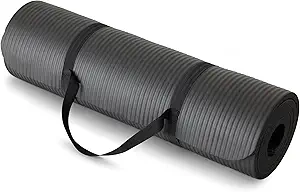
The Gaiam 10mm mat represents a specific choice in the yoga mat spectrum, prioritizing cushioning for joint protection over the ultra-stable feel of thinner mats. At 2/5" thickness, this mat is designed for practitioners who need extra padding for knees, wrists, and spine during floor work, making it particularly suitable for restorative yoga, Pilates, and beginners sensitive to hard surfaces. The included carrying strap indicates it's meant for occasional transport, not daily studio commutes.
Key Considerations Before Buying
- A 10mm thickness provides superior cushioning for sensitive joints but can slightly reduce ground feel and stability in balancing poses like Tree or Warrior III.
- The PVC-free material common in this price segment offers decent grip when dry but may become slippery with heavy sweat compared to premium natural rubber or polyurethane mats.
- The 'Easy-Cinch' strap suggests portability, but a 10mm mat is bulkier and heavier than standard 3-5mm mats, a trade-off for its plush comfort.
What Our Analysts Recommend
Examine reviews for mentions of long-term durability—specifically whether the surface texture wears down or the foam core compresses permanently after months of use. For a mat this thick, check if the edges lay flat immediately out of the box or if they curl, which is a common manufacturing flaw in thicker, budget-friendly mats. Authentic user photos often reveal the true color saturation and mat texture better than stock images.
Mats Market Context
Market Overview
The budget to mid-range yoga mat market is saturated with 6-10mm 'comfort' mats aimed at home users, with Gaiam, AmazonBasics, and BalanceFrom dominating. These mats compete primarily on thickness, color variety, and included accessories like straps, rather than advanced performance features like moisture-wicking tops or eco-certified materials.
Common Issues
In this segment, buyers frequently report issues with off-gassing smells that linger for weeks, inconsistent thickness across the mat surface, and surface slipperiness during vinyasa flows. Another common complaint is the degradation of the closed-cell foam over 6-12 months, leading to permanent indentations from knees and elbows.
Quality Indicators
Look for mentions of uniform density (no soft spots), a non-porous surface that resists absorbing sweat and odors, and a weight over 4 pounds for a standard-sized 10mm mat, which indicates denser, more durable foam. A well-finished, bonded edge that doesn't peel is a sign of better manufacturing control.
Review Authenticity Insights
Grade B Interpretation
A 'B' grade and 11% estimated fake reviews suggest a mostly trustworthy review pool with a moderate level of potentially incentivized or biased feedback. For a high-volume product like this, it's common to see some promotional reviews boosting initial ratings, but the substantial review count (over 45,000) dilutes their impact.
Trust Recommendation
Focus on the 1-3 star reviews for this specific mat, as they're less likely to be manipulated and often detail specific failures like seam splitting or excessive slipping. The adjusted rating of 4.60/5 (down from 4.89) is a more realistic performance indicator, still reflecting strong user satisfaction.
Tips for Reading Reviews
Prioritize reviews that mention using the mat for specific activities listed in the title, like Pilates or floor exercises, and note the user's experience level. Be skeptical of reviews that only praise the color or packaging, and seek out those discussing performance after 30+ uses, which speaks to real-world durability.
Expert Perspective
The Gaiam 10mm mat's exceptionally high rating, even when adjusted, indicates it successfully fulfills its core promise: providing affordable, thick cushioning for low-impact home workouts. Its strength lies in addressing beginner pain points—comfort on hard floors and basic portability—rather than offering high-performance grip for advanced ashtanga or hot yoga. The data suggests it's a reliable 'first mat' or a dedicated mat for gentle practices, with most critical reviews centering on its limitations for sweaty, dynamic flows.
Purchase Considerations
Weigh if your primary need is joint cushioning for knees and back during floor work, which this mat excels at, versus needing a sticky, sweat-resistant surface for demanding vinyasa sequences. Consider your storage space, as a 10mm mat is cumbersome to roll tightly. The value is clear for under $30, but expect to potentially upgrade if your practice intensifies.
Comparing Alternatives
Shoppers should compare the foam density and weight with similar 10mm mats from brands like BalanceFrom, and consider if a dual-layer 6mm mat with a sticky top might offer a better balance of cushion and stability.