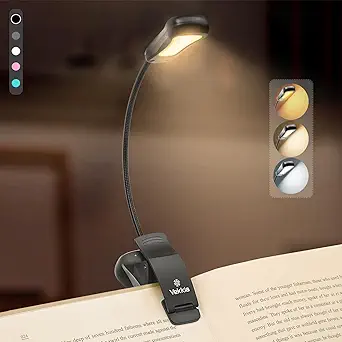
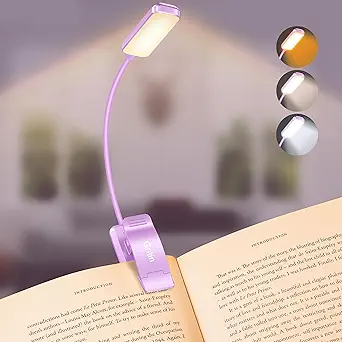
Choosing a USB-Rechargeable Book Light: Warmth, Adjustability, and Battery Life Matter Most
When selecting a clip-on reading light like the DEWENWILS model, focus on its 3000K warm white LED specification—this color temperature is crucial for reducing eye strain during extended reading sessions. The combination of USB-C rechargeability and adjustable brightness directly impacts convenience and versatility, especially for bedside or travel use.
Key Considerations Before Buying
- Prioritize lights with a 3000K-4000K color temperature, as cooler blue-toned LEDs can cause more eye fatigue during nighttime reading.
- Evaluate the clip mechanism's grip strength and padding; a secure, non-slip clamp is essential to prevent damage to delicate book spines or headboards.
- Assess the battery life relative to brightness settings; some lights drain quickly at maximum output, undermining their portability promise.
What Our Analysts Recommend
Examine the hinge and neck flexibility—quality book lights offer multiple positioning angles without sagging. Check for even, diffused light distribution rather than harsh spotlights that create glare on pages. A high-quality product will specify lumens (though this model doesn't) and have a battery indicator.
Book Lights Market Context
Market Overview
The book light market has shifted decisively toward USB-rechargeable models, moving away from disposable batteries, with clip-on designs dominating for their versatility. Warm white LEDs (2700K-3500K) are now standard for reading comfort, replacing the cooler, harsher lights common a decade ago.
Common Issues
Many budget book lights suffer from weak clips that slip off pages, uneven lighting with dark spots, or batteries that degrade significantly within months. PWM dimming (pulse-width modulation) in cheaper models can cause subtle flickering that induces headaches during prolonged use.
Quality Indicators
Look for lights with high-CRI (Color Rendering Index) LEDs—though rarely advertised—which provide better text contrast. Quality is often revealed in the details: silicone-padded clips, flexible but firm goosenecks, and consistent color temperature across brightness levels.
Review Authenticity Insights
Grade B Interpretation
A Grade B authenticity rating with 10% estimated fake reviews indicates generally reliable feedback, though shoppers should remain slightly cautious of overly enthusiastic 5-star reviews. The 4.40 adjusted rating (down from 4.67) suggests some review inflation but still reflects strong genuine satisfaction.
Trust Recommendation
Focus on verified purchase reviews that mention specific use cases like 'reading paperback novels in bed' or 'clip strength on thick hardcovers.' The high volume of reviews (27,068) means you can find substantial feedback about long-term durability and real-world battery performance.
Tips for Reading Reviews
Search for reviews discussing the 3000K warmth specifically—authentic users notice color temperature differences. Pay particular attention to mid-range (3-4 star) reviews, which often provide balanced assessments of both pros and genuine limitations.
Expert Perspective
The DEWENWILS light's exceptionally high rating (even adjusted to 4.40) suggests it performs well on core metrics: warm light quality, clip functionality, and battery convenience. The specific mention of '3000K warm white' in the title indicates the manufacturer understands readers' preference for eye-comfortable lighting. The substantial review volume provides reliable data points about real-world performance across different reading scenarios.
Purchase Considerations
Weigh whether the bookmark-style form factor suits your reading habits—some prefer headboard clips or wearable lights. Consider if the advertised 'brightness adjustable' feature provides sufficient range from a subtle nightlight to adequate illumination for small print. The 'kids' designation suggests durability, but check reviews for actual child-use experiences.
Comparing Alternatives
Compare this model's gooseneck length and clip dimensions against similar lights, as these physical attributes significantly affect usability with different book sizes and reading positions.