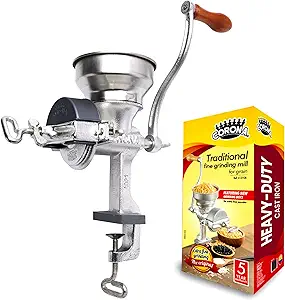
How to Choose a Rotary Food Mill That Actually Lasts
A rotary food mill like this 2-quart stainless steel model is a specialized tool for pureeing, ricing, and straining—tasks that blenders and food processors often handle poorly. Unlike electric appliances, a manual mill gives you control over texture, which matters for mashed potatoes, tomato sauce, and baby food.
Key Considerations Before Buying
- The 2-quart capacity is ideal for small to medium batches, but if you frequently process large quantities of tomatoes or apples, you may need a larger 3- or 4-quart model to avoid multiple rounds.
- Stainless steel construction resists rust and staining, but check that the crank mechanism and disc are also stainless—some budget mills use plated parts that wear out quickly.
- The rotary design requires a stable base and a firm grip; look for a mill with a secure hook or suction base to prevent slipping during use, especially with slippery foods like cooked potatoes.
What Our Analysts Recommend
Prioritize mills with interchangeable discs (fine, medium, coarse) for versatility, and ensure the handle is ergonomically shaped to reduce hand fatigue. A sturdy, welded construction and a weighty feel are better indicators of durability than lightweight, stamped metal.
Food Grinders & Mills Market Context
Market Overview
The food mill market is niche but steady, driven by home cooks who value traditional texture and avoid electric appliances. Stainless steel models dominate the mid-range segment, with prices ranging from $25 to $60, while plastic versions are cheaper but less durable.
Common Issues
Common complaints include flimsy cranks that bend under pressure, discs that don't fit securely, and bases that slide during operation. Rust is a frequent issue in lower-quality mills, particularly if the welds or rivets are not fully stainless.
Quality Indicators
A quality food mill will have a solid, heavy-gauge stainless steel body, smooth-turning gears, and a secure locking mechanism for the base. Look for mills that disassemble easily for cleaning and have replacement parts available.
Review Authenticity Insights
Grade B Interpretation
The B authenticity grade and 15% estimated fake reviews suggest that while most reviews are genuine, there is a notable minority of potentially manipulated feedback. This means the adjusted rating of 3.90 is more reliable than the raw 4.22, indicating solid but not exceptional performance.
Trust Recommendation
Focus on reviews that mention specific use cases and long-term durability, as these are harder to fake. Be cautious of overly enthusiastic reviews that lack detail or repeat marketing language, and cross-reference with the adjusted rating.
Tips for Reading Reviews
Look for reviewers who describe the mill's performance with different foods (e.g., potatoes, tomatoes) and mention assembly or cleaning challenges. Pay attention to complaints about specific parts like the crank or disc, as these reveal consistent weaknesses.
Expert Perspective
This rotary food mill offers a practical solution for home cooks seeking a manual alternative to electric processors. Its stainless steel build and 2-quart capacity suit small households, but the adjusted rating of 3.90 indicates some users encounter durability or usability issues. The 15% fake review rate warrants a cautious approach, but the majority of feedback appears authentic and useful.
Purchase Considerations
Weigh the convenience of manual operation against potential hand fatigue and the need for countertop stability. If you frequently process large batches or tough foods, a more robust model might be worth the extra cost. Consider whether the included discs meet your typical recipes.
Comparing Alternatives
Compare this mill with other stainless steel options from brands like OXO or RSVP, which may offer better ergonomics or warranty support. Reading reviews across similar products can help you identify common flaws and make a more informed choice.