
How to Choose a Reliable Solar Power Bank for Camping and Daily Use
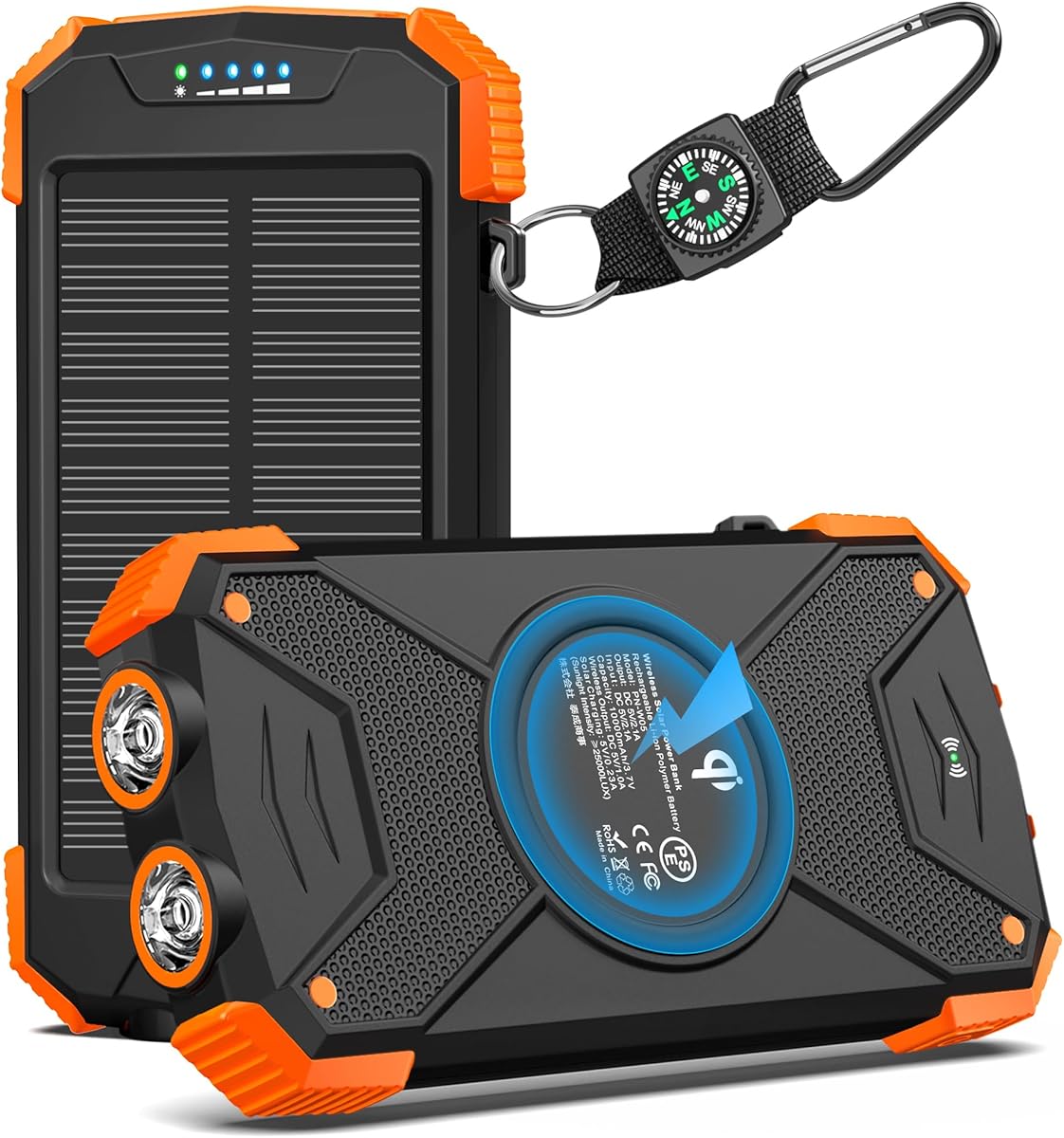
When shopping for a solar power bank like the BLAVOR 10,000mAh model, it's crucial to balance portability with charging capacity and solar efficiency. This device offers wireless charging and a dual flashlight, making it versatile for both outdoor adventures and everyday emergencies.
Key Considerations Before Buying
- Evaluate the battery capacity (10,000mAh) relative to your devices—this size typically charges a smartphone 2-3 times, but may not fully power a tablet or laptop.
- Check solar panel wattage and efficiency; the BLAVOR’s solar charging is best for trickle charging in direct sunlight, not a primary power source for fast recharges.
- Consider the inclusion of wireless charging (Qi-compatible) and fast wired outputs like USB-C 20W, which significantly reduce charge time for modern phones.
What Our Analysts Recommend
Quality indicators include high-efficiency monocrystalline solar panels (vs. polycrystalline), multiple output ports (USB-A, USB-C), and integrated safety features like overcharge protection. Look for a robust IP rating for dust/water resistance if using in rugged conditions, and check that the flashlight brightness and battery indicator are clearly specified.
Solar Chargers Market Context
Market Overview
The solar power bank market has expanded rapidly as outdoor enthusiasts and emergency preppers seek off-grid charging. Most units under $50 offer 5,000–20,000mAh, but solar efficiency varies widely—many panels are too small to fully recharge the battery in a day.
Common Issues
Common problems include slow solar charging (often taking 20+ hours in optimal sun), overstated capacity (some brands inflate mAh ratings), and poor build quality that leads to battery degradation after a few cycles. Wireless charging can also be finicky if the phone case is thick or battery placement misaligned.
Quality Indicators
To identify quality, look for UL or CE certifications, real-world solar charging tests from reviewers, and clear specifications for solar panel type and wattage. Products with high verified purchase rates and detailed usage photos often indicate genuine performance.
Review Authenticity Insights
Grade B Interpretation
The BLAVOR Solar Power Bank received an authenticity grade of B, with an estimated 10% fake review rate. This suggests that while most reviews are genuine, roughly 1 in 10 may be incentivized or fabricated—a moderate risk that warrants careful reading.
Trust Recommendation
Given the 10% fake rate, prioritize reviews that mention specific usage scenarios (e.g., 'used during a 3-day camping trip in cloudy weather') and include photos of the product in use. Verified purchase badges are a strong trust signal, but cross-check with neutral third-party sites for additional validation.
Tips for Reading Reviews
For solar chargers, focus on reviews that detail charging speeds in real-world sun conditions, battery longevity after multiple cycles, and the durability of the flashlight and ports. Be skeptical of reviews that only praise the product without mentioning any downsides, as they may be incentivized.
Expert Perspective
The BLAVOR Solar Power Bank offers a compelling mix of features—wireless charging, 20W fast charging, and a dual flashlight—at a competitive price point, backed by a strong 4.33 average rating from nearly 46,000 reviews. However, the 10% fake review rate and Grade B authenticity mean buyers should approach with measured confidence. Real-world performance likely meets expectations for casual camping and daily backup, but heavy users may find solar charging too slow for their needs.
Purchase Considerations
Weigh the convenience of wireless charging and flashlight against the solar panel’s practical output—this is best as a supplemental power source, not a primary one. Also consider that 10,000mAh is adequate for a weekend trip, but if you need more capacity, look for 20,000mAh+ models with higher solar wattage.
Comparing Alternatives
Shoppers should compare this model with other top-rated solar banks like the BigBlue 28W or Anker PowerPort Solar, which offer faster solar charging but lack wireless capabilities. Always check the latest prices and warranty terms before committing.


