Evaluating High-Propolis Ointments: What 30% Concentration Means for Your Skin
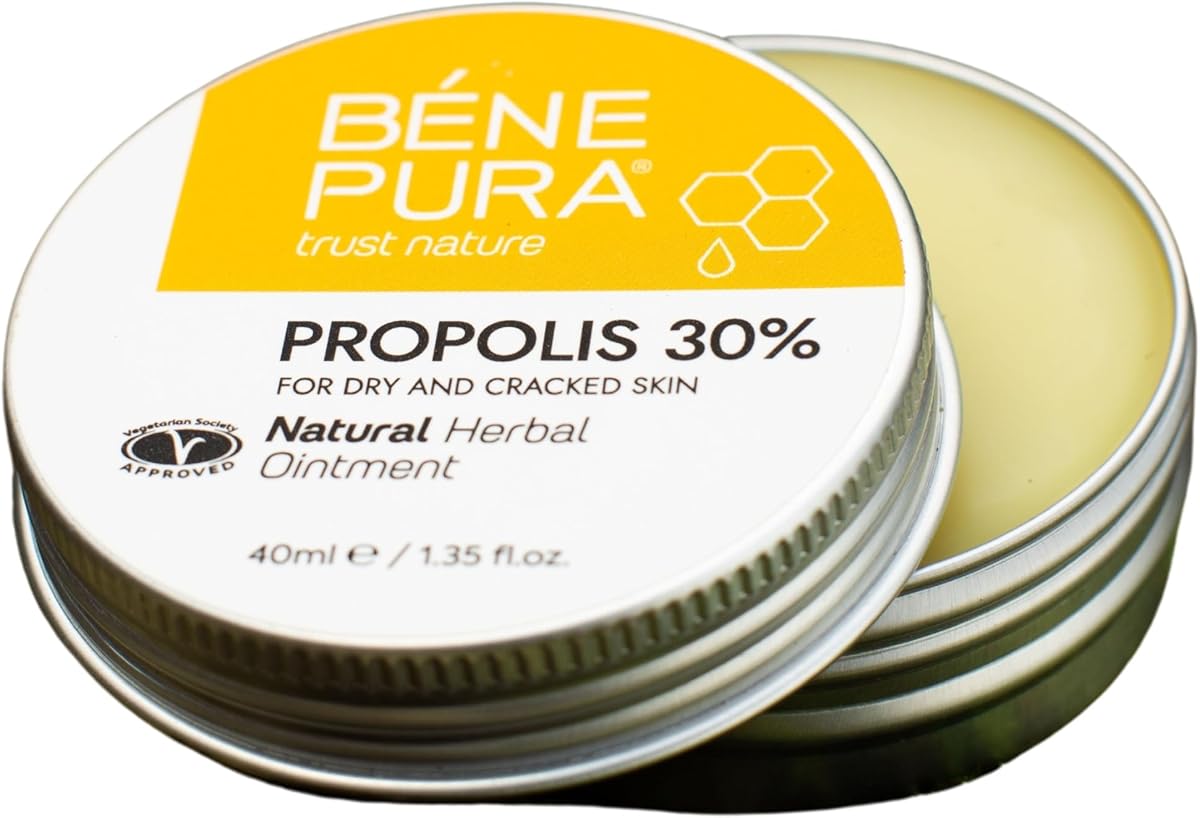
When considering BenePura's 30% propolis ointment, buyers should understand that propolis concentration significantly impacts efficacy. This specific formulation sits at the higher end of commercial propolis products, which typically range from 10-40% bee-derived ingredients. The multipurpose claims for itch relief, rash treatment, and cracked heel repair indicate a broad-spectrum approach rather than targeted therapy.
Key Considerations Before Buying
- The 30% propolis concentration suggests potent antimicrobial properties but may cause sensitivity in those with bee product allergies—always patch test first.
- This ointment's multipurpose claims mean it's formulated for various skin conditions rather than optimized for one specific issue like prescription-strength anti-itch creams.
- At 1.35 fluid ounces, the container size is modest for regular full-body application but appropriate for targeted treatment of specific areas like heels or localized rashes.
What Our Analysts Recommend
Quality propolis ointments should list propolis extract early in ingredients and specify concentration percentage. Look for complementary ingredients like beeswax or natural oils that enhance propolis's moisturizing properties without diluting its therapeutic effects. The texture should be thick enough to create a protective barrier but not so greasy that it stains clothing.
Ointments Market Context
Market Overview
The natural ointment market has expanded rapidly, with propolis-based products gaining popularity as alternatives to synthetic antiseptics. Consumers increasingly seek multi-functional products that address both medical and cosmetic skin concerns simultaneously. Propolis ointments occupy a niche between pharmaceutical antiseptics and general moisturizers, appealing to those wanting natural first-aid solutions.
Common Issues
Many propolis products use minimal actual propolis while emphasizing marketing claims. Inconsistent texture—either too runny or overly waxy—can affect application and absorption. Some formulations include unnecessary fillers or synthetic preservatives that contradict natural positioning while others may separate or discolor over time.
Quality Indicators
Authentic propolis ointments maintain a distinct resinous aroma and amber-to-dark-brown coloration. Quality products specify propolis source (often Brazilian or European) and extraction method (alcohol or oil-based). Premium formulations avoid petroleum derivatives, instead using beeswax as the primary thickening agent alongside nourishing carrier oils.
Review Authenticity Insights
Grade B Interpretation
A Grade B authenticity rating with 11% estimated fake reviews indicates predominantly genuine feedback with moderate manipulation concerns. For this specific propolis ointment, the 0.24-point rating drop after adjustment suggests some inflated praise but generally reliable customer experiences. This level of authenticity is typical for popular natural health products where enthusiastic users may write overly effusive reviews.
Trust Recommendation
Focus on verified purchase reviews that describe specific conditions like eczema flare-ups or persistent cracked heels rather than vague praise. Given the 4.20 adjusted rating, expect mostly positive experiences but acknowledge that approximately 1 in 9 reviews may lack authenticity. Pay particular attention to reviews discussing texture, absorption time, and scent—these details are harder to fabricate convincingly.
Tips for Reading Reviews
Prioritize reviews mentioning propolis concentration awareness or comparing this 30% formula to other percentages. Look for accounts detailing application frequency and timeline for results, as authentic users typically report gradual improvement rather than instant miracles. Be skeptical of reviews claiming universal effectiveness across wildly different skin conditions without mentioning individual variability.
Expert Perspective
BenePura's formulation represents a serious entry in the propolis ointment category, with its 30% concentration offering legitimate therapeutic potential beyond cosmetic moisturizing. The 4.20 adjusted rating from 1,353 reviews suggests consistent satisfaction among most users, particularly for dry skin and localized itch relief. The multipurpose positioning makes it suitable for household first-aid kits rather than specialized medical treatment, though the high propolis percentage provides genuine antimicrobial benefits. The modest 1.35oz size indicates targeted rather than whole-body application expectations.
Purchase Considerations
Weigh the higher propolis concentration against potential sensitivity, especially if you have known bee product allergies. Consider whether you need a multi-purpose solution or would benefit more from condition-specific formulations. Evaluate the cost per ounce relative to your intended usage frequency—regular application for chronic conditions may require frequent repurchases at this container size.
Comparing Alternatives
Shoppers should compare this 30% concentration against lower-percentage propolis creams for sensitivity concerns and higher-percentage specialty products for targeted therapeutic applications.