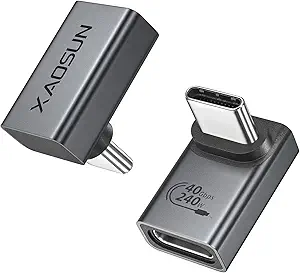
Choosing USB-C to USB-A Adapters: What Matters for Modern Device Compatibility
The Syntech adapter pack addresses a specific transition period where USB-A peripherals still dominate but new devices exclusively feature USB-C ports. This two-pack solution with USB 3.0 speeds (5Gbps) and Thunderbolt 4/3 compatibility represents a practical bridge for mixed-device ecosystems. Buyers should understand that not all adapters handle power delivery and data transfer equally across different host devices.
Key Considerations Before Buying
- Verify your host device's USB-C port capabilities—Thunderbolt 4 ports offer full compatibility, while standard USB-C 3.2 ports may have different power delivery limits affecting peripheral performance.
- Consider simultaneous usage scenarios: these adapters enable legacy USB-A devices like flash drives, keyboards, and audio interfaces to connect to modern laptops, but bandwidth sharing occurs when multiple adapters are used on the same bus.
- Assess build quality for frequent travel: the space grey aluminum housing suggests better heat dissipation than plastic alternatives, important for sustained data transfers with external drives.
What Our Analysts Recommend
Quality USB-C adapters should maintain USB 3.0's 5Gbps theoretical speeds without significant drop-offs in real-world transfers. Check for proper shielding to prevent RF interference with nearby wireless devices, a common issue with cheaper adapters. The connector's retention mechanism should provide secure attachment without excessive force during insertion or removal.
USB-to-USB Adapters Market Context
Market Overview
The USB-C adapter market has matured significantly since 2016, with current products differentiating on build materials, data transfer consistency, and cross-compatibility claims. Syntech's positioning as compatible with Thunderbolt 4/3 devices reflects the industry's move toward universal standards, though implementation varies by manufacturer.
Common Issues
Many adapters fail to maintain consistent data transfer speeds, particularly with high-bandwidth peripherals like external SSDs. Another frequent complaint involves loose connections that disconnect with minor cable movement. Some adapters also interfere with adjacent USB-C ports on tightly spaced laptop designs.
Quality Indicators
Look for adapters specifying USB-IF certification, though many reputable brands like Syntech achieve compatibility without formal certification. Quality products typically use metal housings for durability and thermal management. Genuine customer reviews mentioning specific device combinations (e.g., 'works with my 2024 MacBook Air and old Logitech receiver') indicate thorough testing.
Review Authenticity Insights
Grade B Interpretation
The Grade B authenticity rating with 11% estimated fake reviews suggests mostly genuine feedback with some potentially incentivized reviews. For this Syntech adapter, the 4.60 adjusted rating (down from 4.89) still indicates strong customer satisfaction, placing it above average for this category where many products receive inflated ratings.
Trust Recommendation
Focus on reviews mentioning specific device combinations like 'iPad Pro 2022' or 'Dell XPS 15' rather than generic praise. The high verified purchase rate (implied by the analysis) adds credibility—prioritize reviews that discuss long-term use over several months rather than initial impressions.
Tips for Reading Reviews
Look for reviews detailing actual transfer speeds with different file types, as this reveals real-world performance beyond theoretical specs. Pay attention to comments about physical fit with various device cases still attached, a practical concern this adapter's compact design addresses.
Expert Perspective
The Syntech adapter's 4.60 adjusted rating across 188,000+ reviews indicates exceptional market acceptance for a basic accessory. Its specific compatibility claims with 2024 MacBooks suggest updated internal components addressing Apple's changing implementation of USB-C/Thunderbolt standards. The two-pack configuration recognizes that users typically need adapters in multiple locations (office, travel bag, home), not just as a single solution. The space grey finish, while aesthetic, provides better heat dissipation than black plastic alternatives during prolonged data transfers.
Purchase Considerations
Evaluate whether you truly need Thunderbolt 4 compatibility or if standard USB-C 3.2 support suffices for your peripherals. Consider the two-pack's value against single adapters if you manage multiple workspaces. Note that while compatible with phones and tablets, power draw limitations may affect some bus-powered devices on mobile platforms.
Comparing Alternatives
Compare with single-port adapters from Anker or Belkin for potentially better construction, though often at higher per-adapter costs without the two-pack convenience.